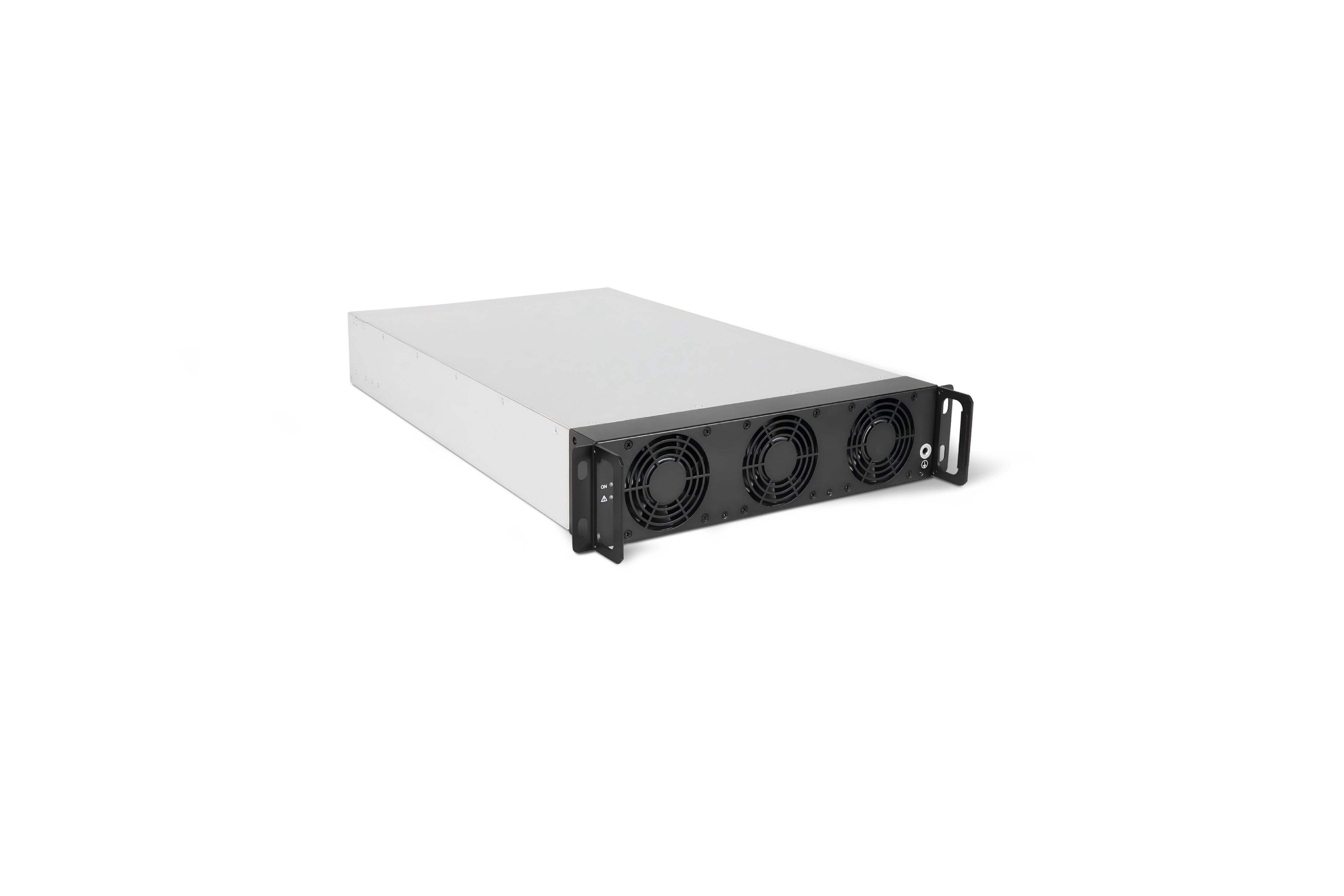
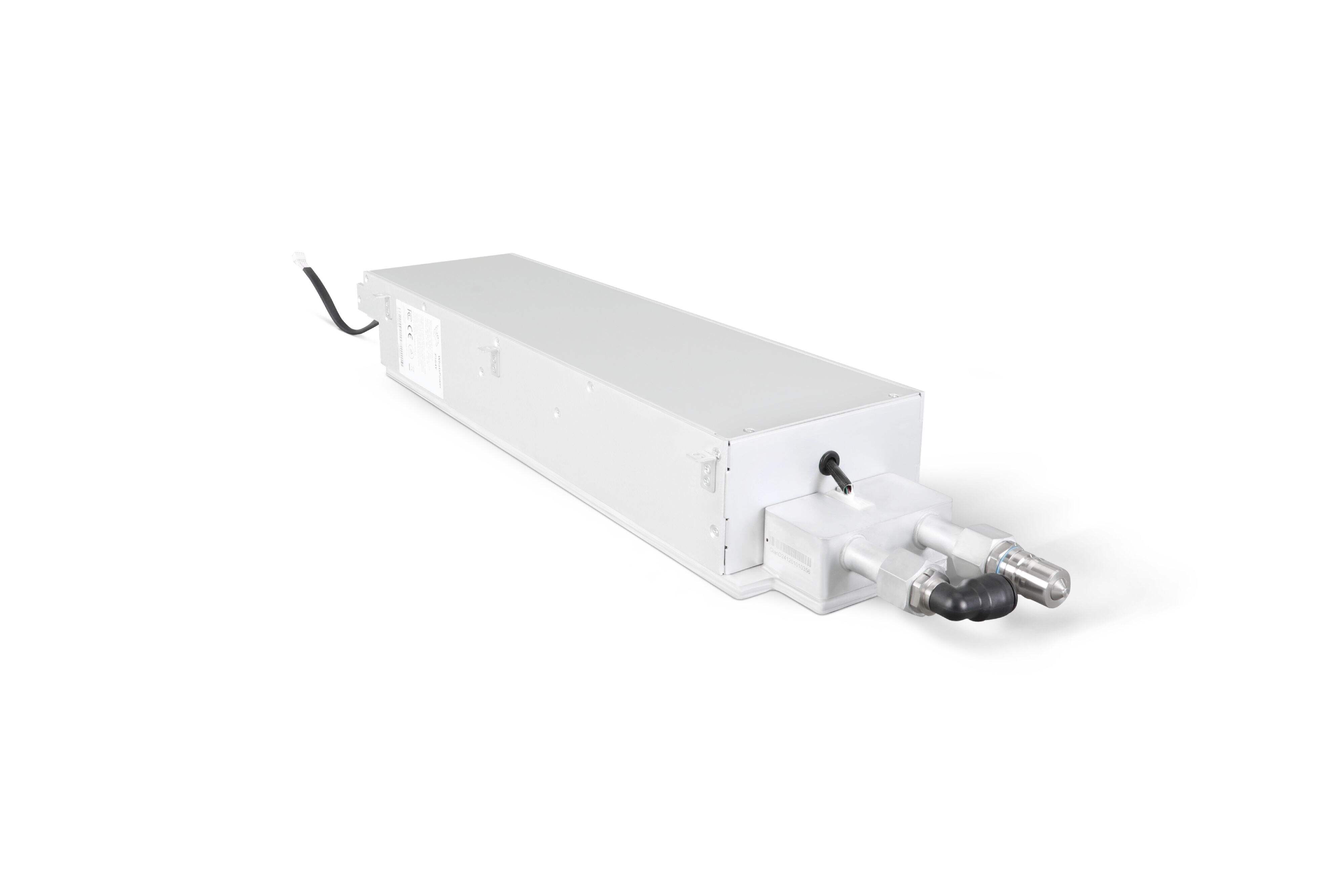
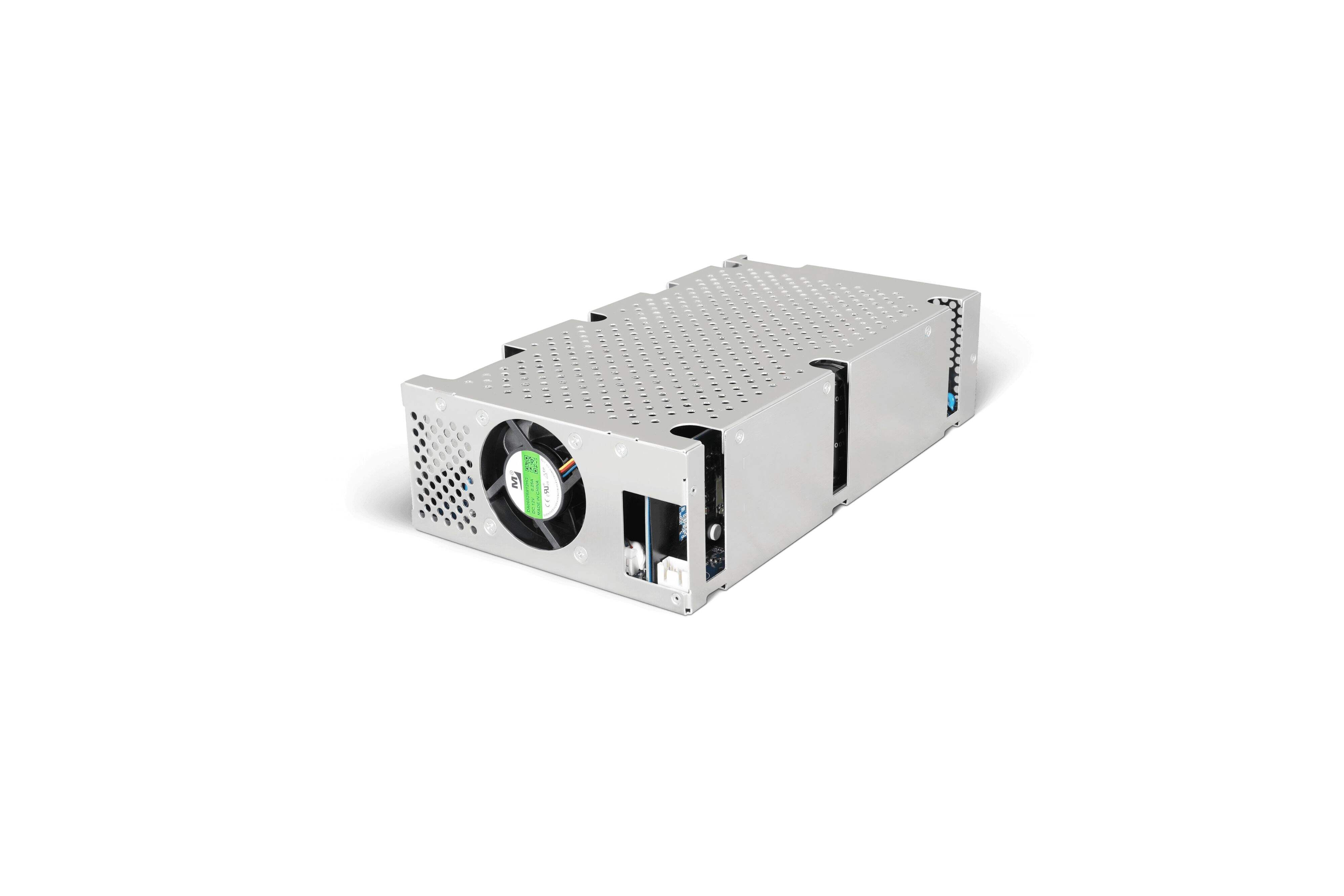
Bidirectional Converter for Battery Charging: Advanced Power Management Solutions

All Categories

Get a Free Quote

Our representative will contact you soon.
Email
Name
Company Name
Message
0/1000

bidirectional converter for battery charging

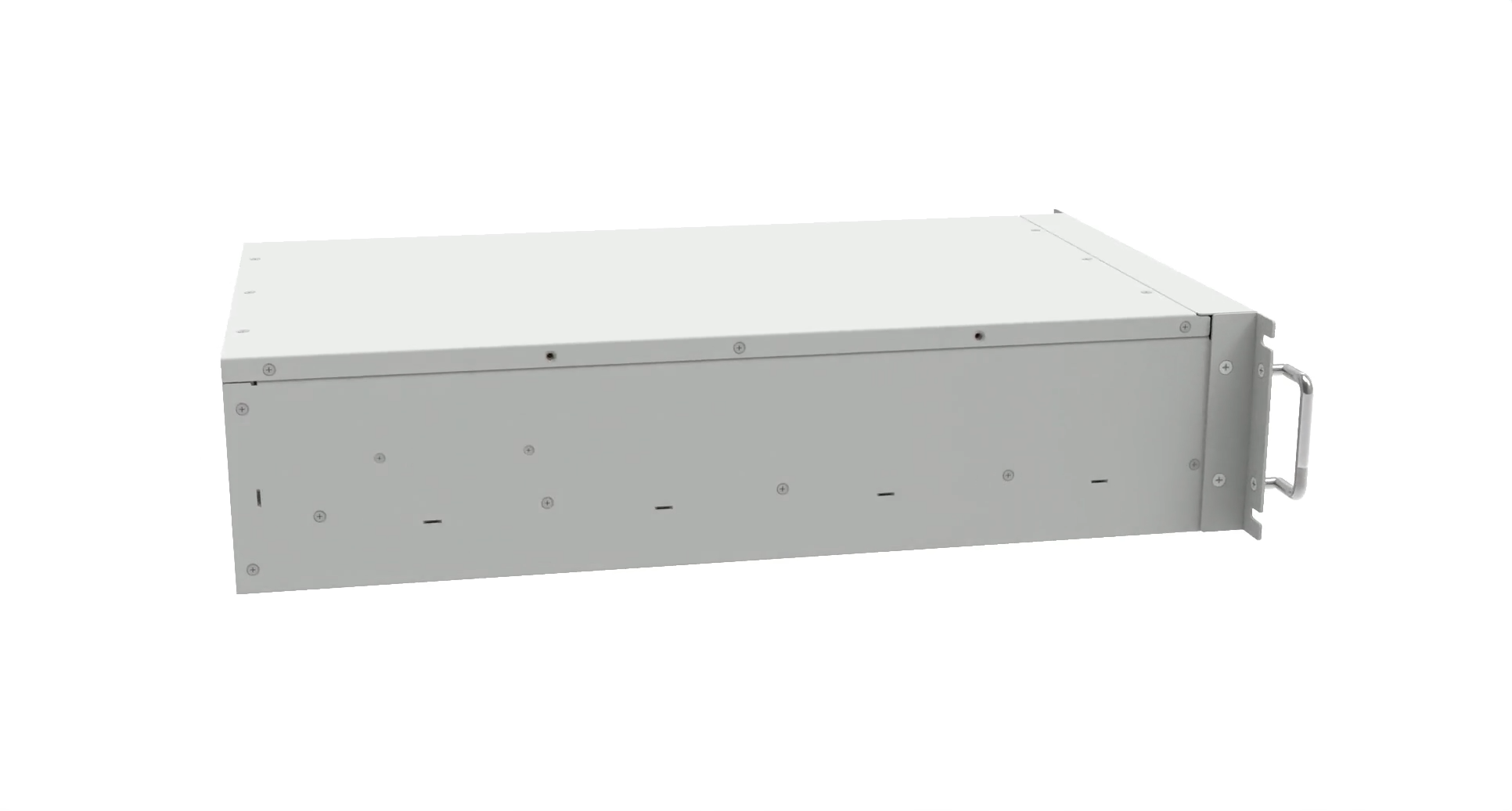
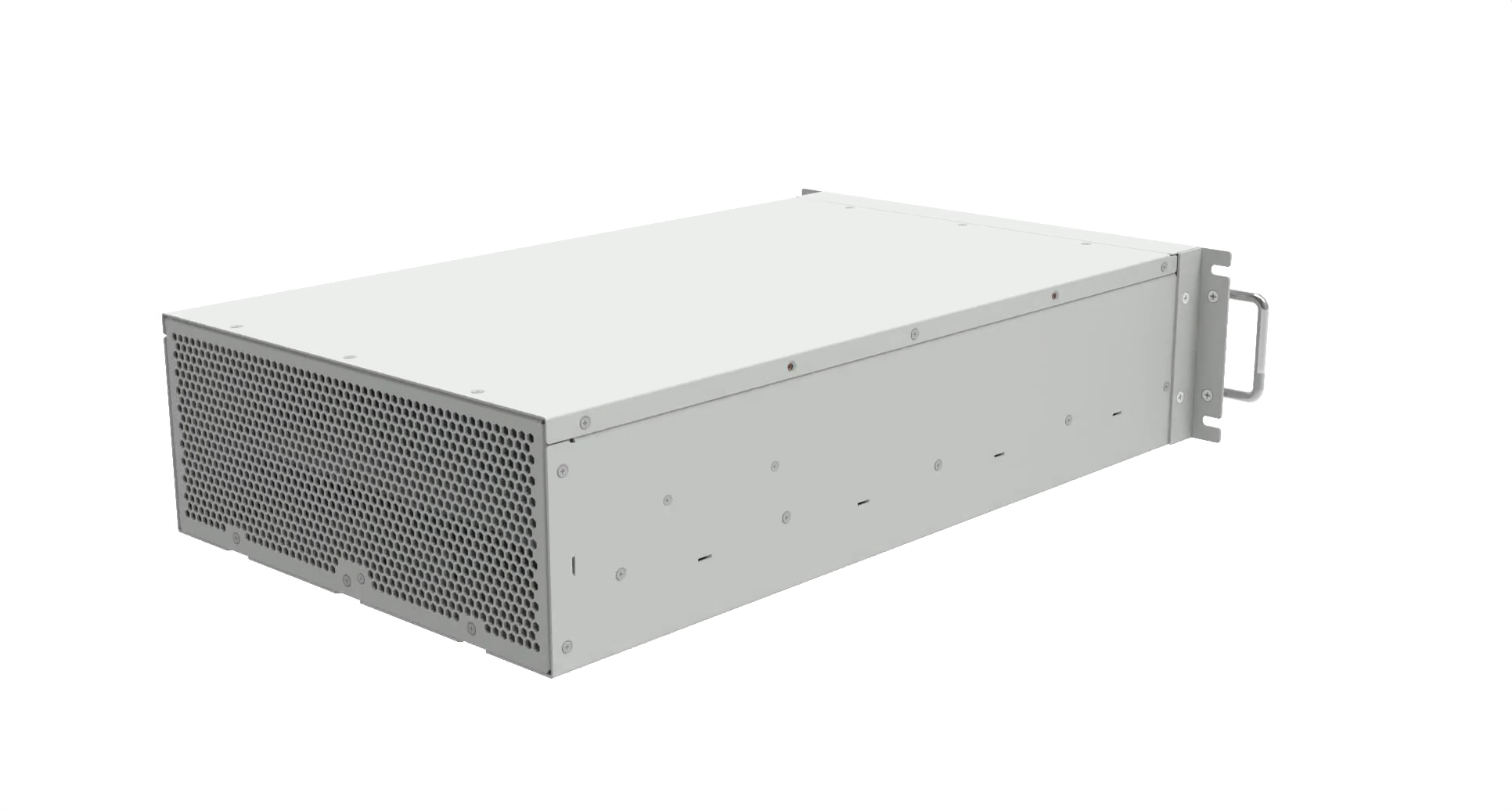
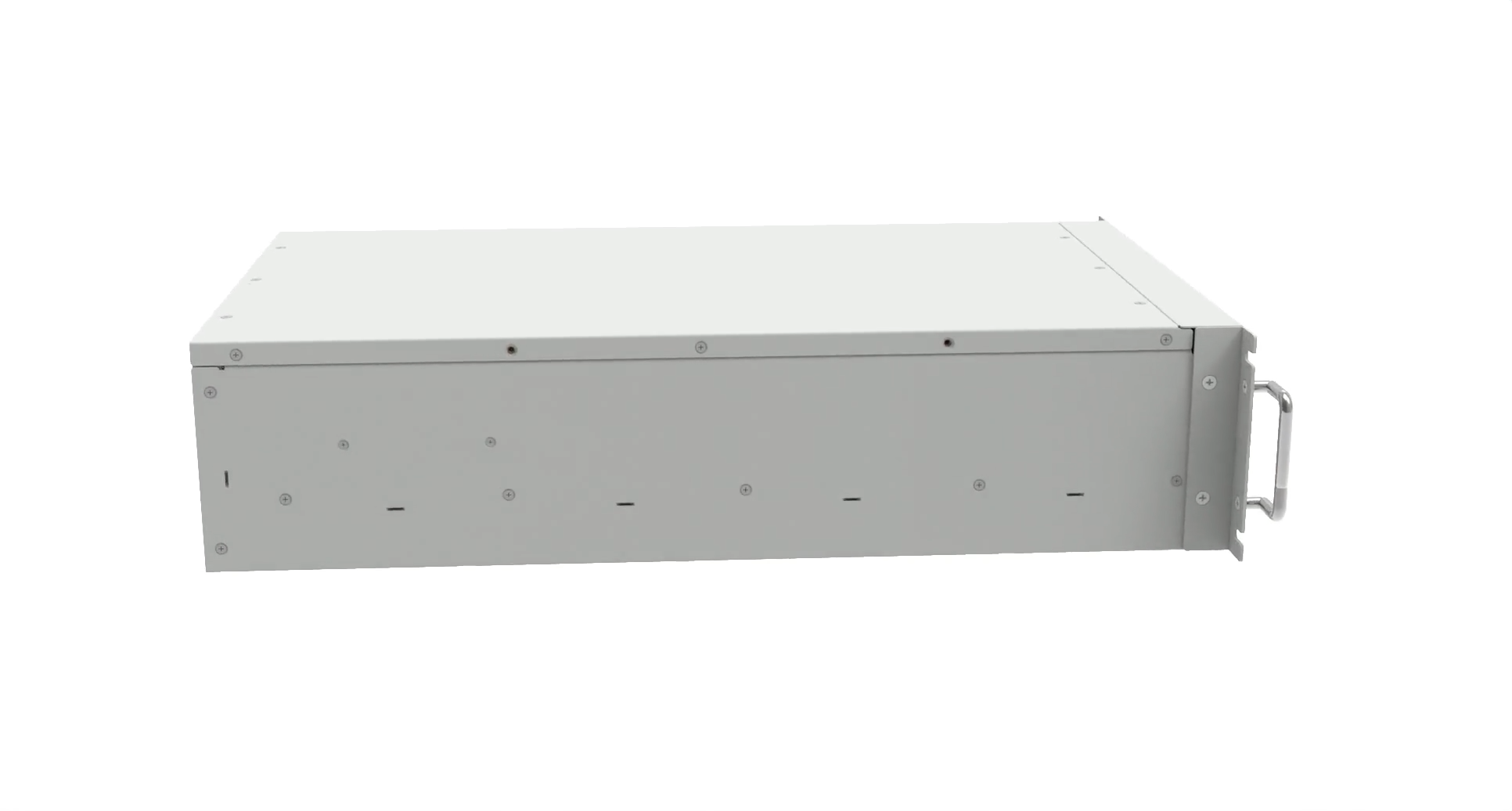
A bidirectional converter for battery charging represents a sophisticated power electronics device that enables energy flow in both directions between batteries and electrical systems. This advanced technology allows batteries to not only receive charge from external power sources but also discharge energy back to the grid or connected devices when needed. The bidirectional converter for battery charging serves as a critical component in modern energy storage systems, electric vehicles, renewable energy installations, and smart grid applications. The main functions of this converter include efficient AC-to-DC conversion for charging operations, DC-to-AC inversion for energy discharge, voltage regulation to maintain optimal battery health, and power factor correction to enhance overall system efficiency. Technological features encompass high-frequency switching capabilities that minimize energy losses during conversion processes, intelligent control algorithms that optimize charging and discharging cycles based on battery condition and system demands, thermal management systems that prevent overheating during intensive operations, and communication protocols that enable seamless integration with monitoring and control systems. The bidirectional converter for battery charging incorporates advanced semiconductor devices such as silicon carbide or gallium nitride transistors that deliver superior performance compared to traditional silicon-based components. These converters typically feature modular designs that allow for scalability and maintenance flexibility, while built-in protection circuits safeguard against overcurrent, overvoltage, and short-circuit conditions. Applications span across residential solar energy systems where excess power can be stored and later fed back to the home grid, commercial facilities seeking peak shaving capabilities to reduce electricity costs, electric vehicle charging infrastructure that supports vehicle-to-grid technology, and utility-scale energy storage projects that help stabilize power grids by providing frequency regulation and load balancing services.


New Product Recommendations

The bidirectional converter for battery charging delivers exceptional efficiency ratings that significantly reduce energy waste during both charging and discharging operations. Users experience lower electricity bills because these converters minimize power losses through advanced switching technologies and optimized circuit designs. The intelligent control systems automatically adjust charging parameters based on battery chemistry and environmental conditions, which extends battery lifespan and reduces replacement costs over time. Installation flexibility becomes a major advantage as these converters support multiple battery types including lithium-ion, lead-acid, and emerging solid-state technologies without requiring separate charging equipment. The bidirectional capability enables users to sell excess stored energy back to utility companies during peak demand periods, creating potential revenue streams that offset initial investment costs. Safety features integrated into the bidirectional converter for battery charging include real-time monitoring of temperature, voltage, and current levels with automatic shutdown protocols that prevent dangerous operating conditions. The compact design reduces installation space requirements while maintaining high power density, making these converters suitable for both residential and commercial applications where space constraints exist. Remote monitoring capabilities allow users to track system performance, energy flows, and maintenance needs through smartphone applications or web-based platforms, providing convenience and peace of mind. The bidirectional converter for battery charging supports fast charging protocols that reduce charging times compared to conventional charging methods, improving user experience and system availability. Scalability options enable users to expand their energy storage capacity by connecting multiple converters in parallel configurations without complex rewiring or system redesigns. Environmental benefits include reduced carbon footprint through improved energy efficiency and support for renewable energy integration, helping users meet sustainability goals while reducing dependence on fossil fuel-generated electricity. The robust construction and high-quality components ensure reliable operation in various environmental conditions, minimizing maintenance requirements and ensuring consistent performance over extended periods.

Latest News

A Power Station That Doesn’t Generate Electricity — Yet Moves 120 Million kWh a Year

18

Dec

A Power Station That Doesn’t Generate Electricity — Yet Moves 120 Million kWh a Year

View More
BOCO Electronics Brings Hengyang Intelligent Manufacturing Base Online, Expanding Annual Production Beyond One Million Units

18

Dec

BOCO Electronics Brings Hengyang Intelligent Manufacturing Base Online, Expanding Annual Production Beyond One Million Units

View More
BOCO Electronics Demonstrates System-Level Power Conversion Innovation at SNEC 2025

18

Dec

BOCO Electronics Demonstrates System-Level Power Conversion Innovation at SNEC 2025

View More

Get a Free Quote

Our representative will contact you soon.
Email
Name
Company Name
Message
0/1000

bidirectional converter for battery charging

Advanced Power Flow Management Technology

Advanced Power Flow Management Technology

The bidirectional converter for battery charging incorporates cutting-edge power flow management technology that revolutionizes how energy storage systems interact with electrical grids and connected devices. This sophisticated technology enables seamless transitions between charging and discharging modes based on real-time energy demands and grid conditions. The intelligent power management system continuously monitors electrical parameters including voltage levels, frequency variations, and load requirements to optimize energy flow directions automatically. Users benefit from this technology through enhanced system reliability and improved energy utilization efficiency that translates into significant cost savings over time. The advanced algorithms embedded within the bidirectional converter for battery charging predict energy usage patterns and adjust charging schedules accordingly, ensuring batteries maintain optimal charge levels while minimizing grid dependency during peak rate periods. This predictive capability becomes particularly valuable for commercial users who face demand charges and time-of-use electricity pricing structures. The power flow management system also supports microgrid operations where multiple energy sources including solar panels, wind turbines, and backup generators work together seamlessly. The bidirectional converter for battery charging coordinates these diverse energy sources to maintain stable power supply while maximizing renewable energy utilization and minimizing fossil fuel consumption. Emergency backup capabilities ensure critical loads receive uninterrupted power during grid outages through automatic switchover mechanisms that activate within milliseconds. The technology supports islanding operations where the system can operate independently from the main electrical grid while maintaining power quality standards for sensitive electronic equipment.
Enhanced Battery Life and Performance Optimization

Enhanced Battery Life and Performance Optimization

The bidirectional converter for battery charging employs sophisticated battery management algorithms that significantly extend battery lifespan while maximizing performance throughout the entire service life. These advanced charging protocols adapt to specific battery chemistries and continuously monitor cell conditions to prevent overcharging, deep discharge, and thermal stress that typically reduce battery capacity over time. The converter implements multi-stage charging processes that include bulk charging for rapid energy replenishment, absorption charging for complete capacity utilization, and float charging for long-term maintenance without degradation. Temperature compensation features automatically adjust charging voltages based on ambient conditions and battery temperature readings, ensuring optimal charging efficiency regardless of environmental variations. The bidirectional converter for battery charging incorporates cell balancing technology that equalizes charge levels across individual battery cells within larger battery banks, preventing capacity mismatches that can lead to premature failure of entire battery systems. Users experience extended battery warranties and reduced replacement costs because the converter maintains batteries within manufacturer-specified operating parameters consistently. The intelligent charging algorithms also support various battery technologies including lithium iron phosphate, lithium-ion, gel, and AGM batteries without requiring manual configuration changes or external equipment modifications. Performance monitoring capabilities provide detailed insights into battery health metrics including capacity retention, internal resistance trends, and cycle count tracking that help users plan maintenance schedules and anticipate replacement needs. The bidirectional converter for battery charging offers customizable charging profiles that accommodate specific application requirements such as backup power systems requiring immediate availability or renewable energy storage systems optimized for daily cycling operations.
Grid Integration and Energy Trading Capabilities

Grid Integration and Energy Trading Capabilities

The bidirectional converter for battery charging provides comprehensive grid integration capabilities that enable users to participate in energy markets and grid stabilization services while generating additional revenue streams from their energy storage investments. These converters support vehicle-to-grid technology that allows electric vehicles to serve as mobile energy storage units, providing power back to homes or the electrical grid during peak demand periods or emergencies. The advanced grid-tie functionality includes automatic synchronization with utility frequencies and voltages, ensuring seamless connection and disconnection without disrupting grid stability or connected loads. Users can configure the bidirectional converter for battery charging to automatically sell stored energy during high-price periods and purchase electricity during low-rate hours, maximizing economic benefits through strategic energy arbitrage operations. The converter supports multiple grid codes and utility interconnection standards, simplifying approval processes and ensuring compliance with local electrical regulations and safety requirements. Smart grid communication protocols enable real-time data exchange between the converter and utility control systems, allowing participation in demand response programs that provide financial incentives for reducing energy consumption during peak periods. The bidirectional converter for battery charging incorporates power quality enhancement features including voltage regulation, frequency stabilization, and harmonic filtering that improve overall grid performance while providing valuable services to utility companies. Islanding detection and anti-islanding protection ensure safe operation during grid maintenance or fault conditions, protecting utility workers and maintaining system integrity. The energy trading capabilities extend to peer-to-peer energy markets where users can sell excess renewable energy directly to neighbors or community microgrids, creating local energy ecosystems that reduce transmission losses and increase energy security.

Get a Free Quote

Our representative will contact you soon.
Email
Name
Company Name
Message
0/1000