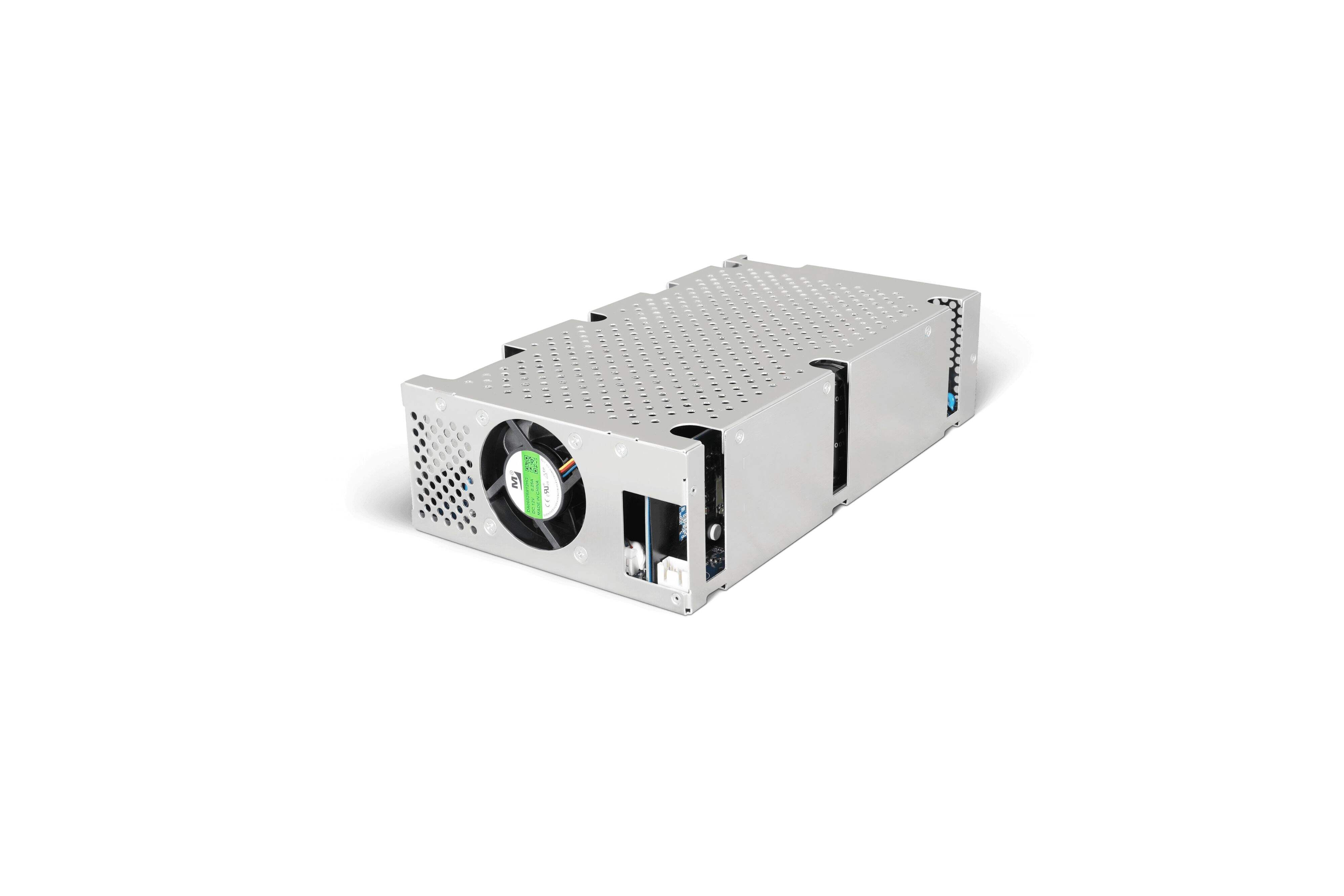
Advanced Efficiency Optimization Technology
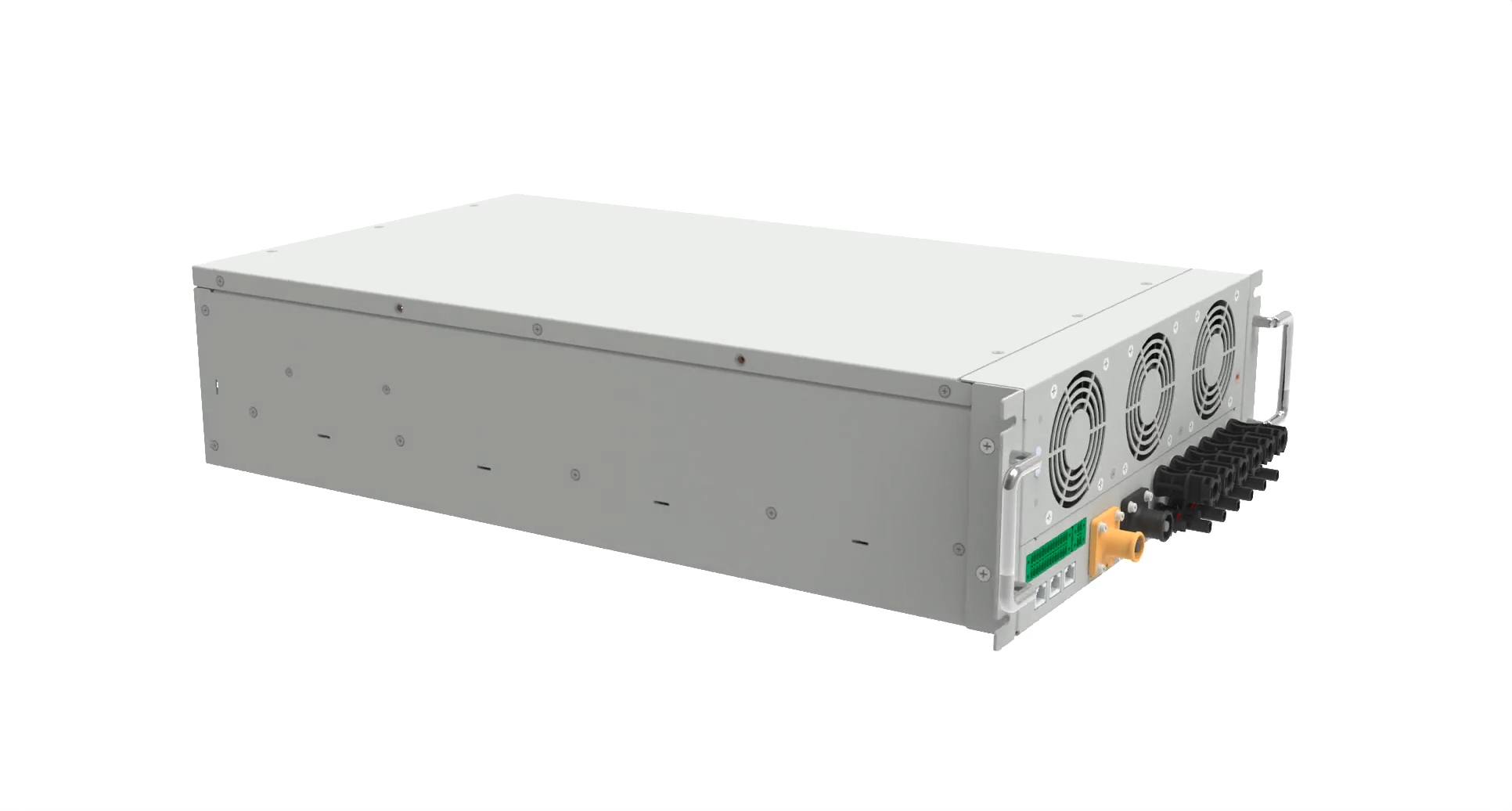
The bidirectional dc dc converter ieee incorporates revolutionary efficiency optimization technology that sets new standards in power conversion performance. This advanced feature utilizes sophisticated algorithms and cutting-edge hardware designs to achieve maximum energy transfer with minimal losses. The optimization system continuously monitors operating conditions and automatically adjusts switching patterns, timing sequences, and control parameters to maintain peak efficiency across the entire operating range. Unlike conventional converters that operate at fixed efficiency levels, the bidirectional dc dc converter ieee employs adaptive efficiency optimization that responds dynamically to changing load conditions, input voltages, and environmental factors. The technology integrates advanced soft-switching techniques that virtually eliminate switching losses by ensuring that power semiconductor devices turn on and off at zero voltage or zero current conditions. This approach dramatically reduces heat generation, extends component lifespan, and improves overall system reliability. The efficiency optimization extends beyond basic switching control to include intelligent power management algorithms that predict load patterns and pre-configure the converter for optimal performance. The system incorporates machine learning capabilities that analyze historical operating data to identify efficiency improvement opportunities and automatically implement optimization strategies. Temperature compensation features ensure that efficiency remains high even under varying thermal conditions, while dynamic load balancing distributes power optimally across multiple conversion stages. The bidirectional dc dc converter ieee also features advanced synchronization capabilities that coordinate multiple converter units to work together seamlessly, further enhancing overall system efficiency. Real-time efficiency monitoring provides continuous feedback on performance metrics, enabling operators to track energy savings and identify optimization opportunities. This comprehensive approach to efficiency optimization delivers tangible benefits including reduced operating costs, lower environmental impact, improved system reliability, and enhanced return on investment for customers across diverse applications.
 EN
EN