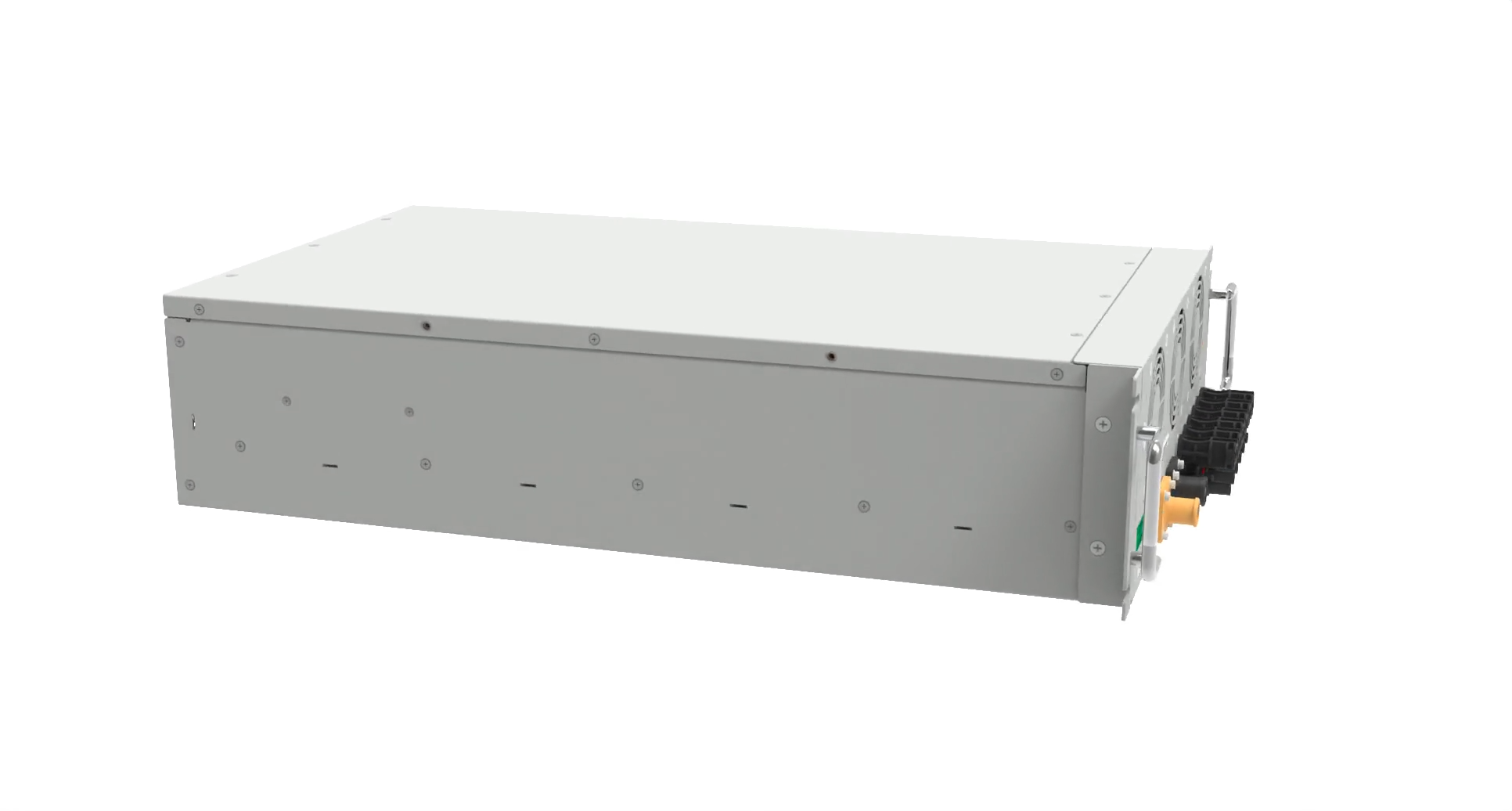
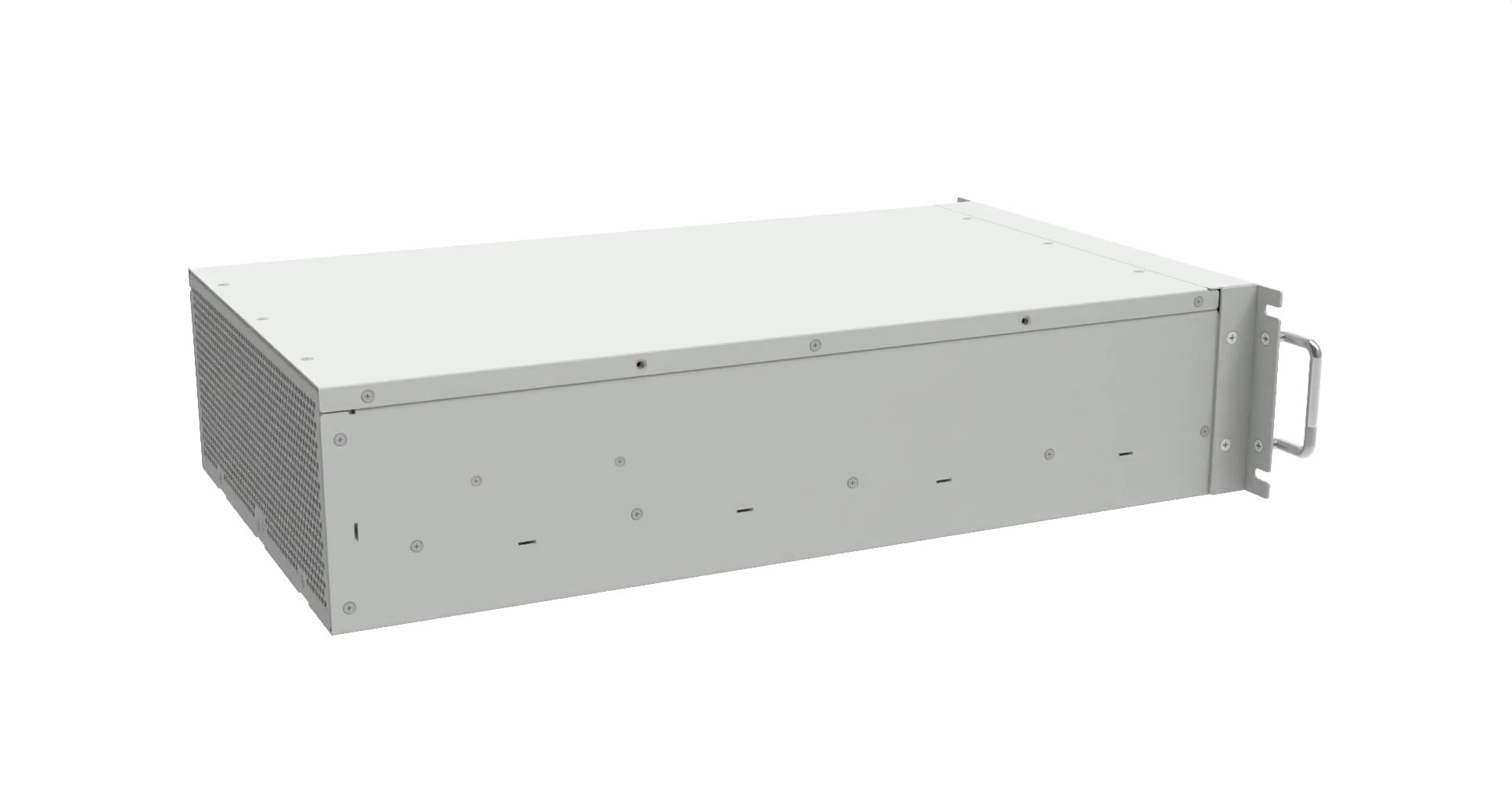
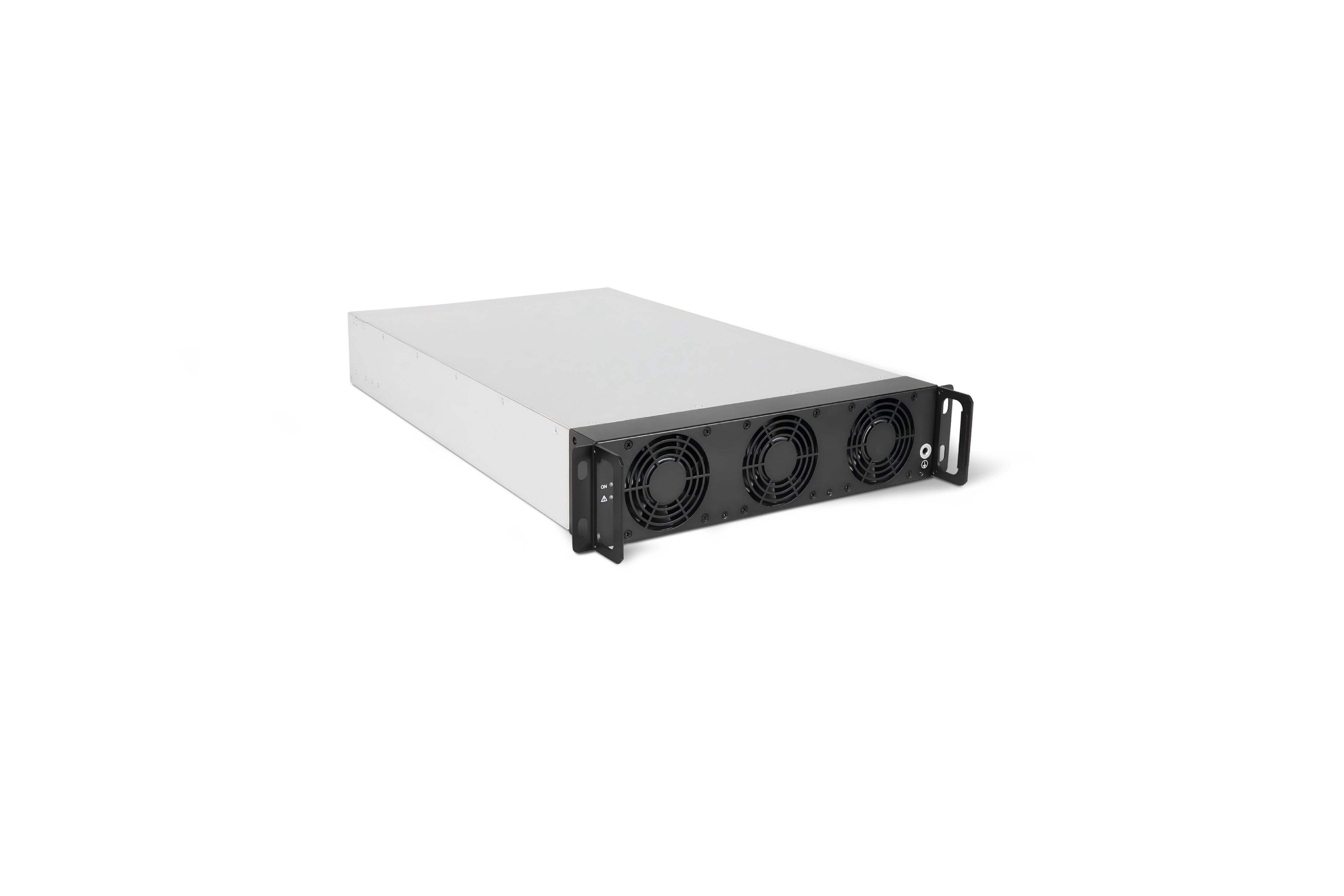
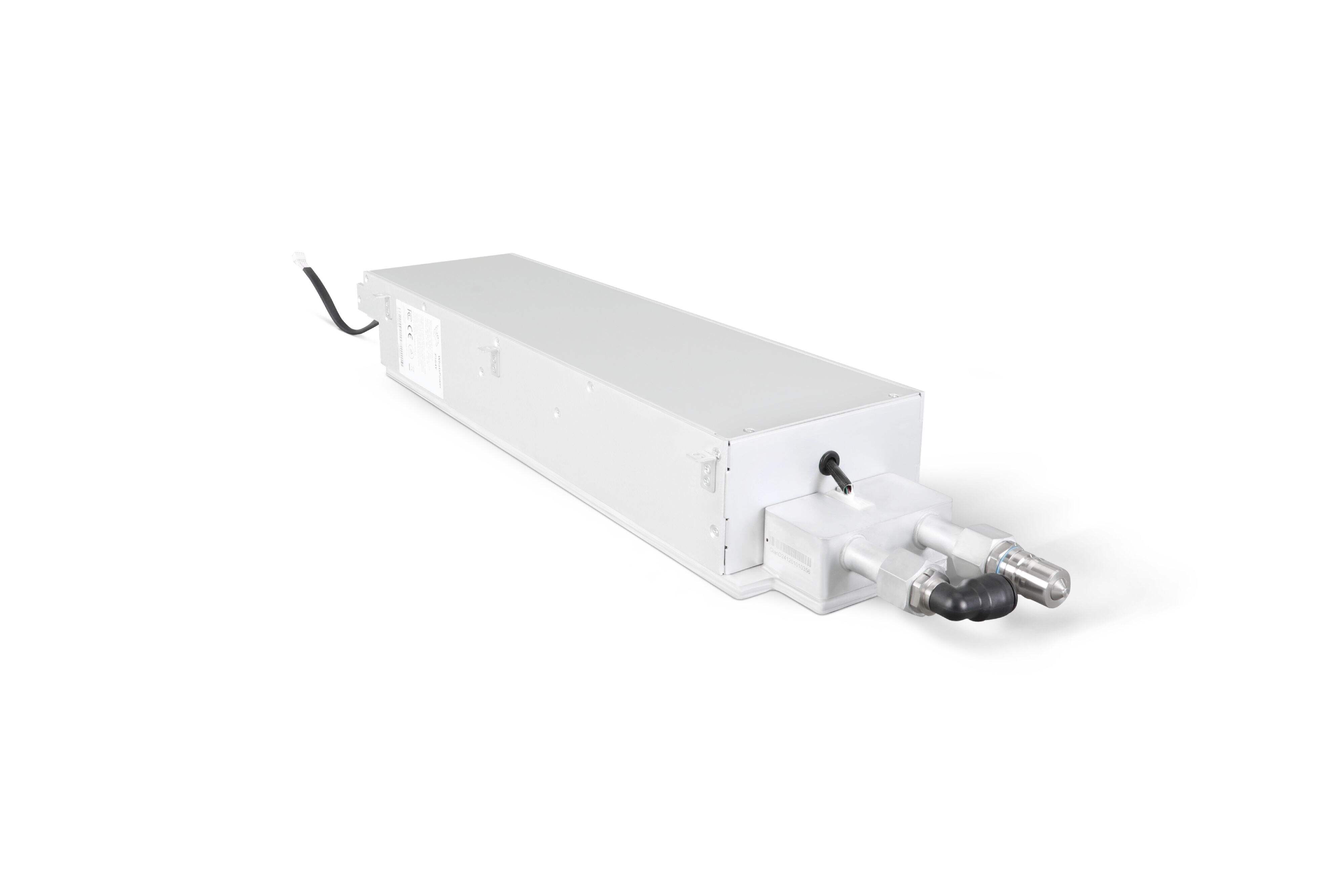
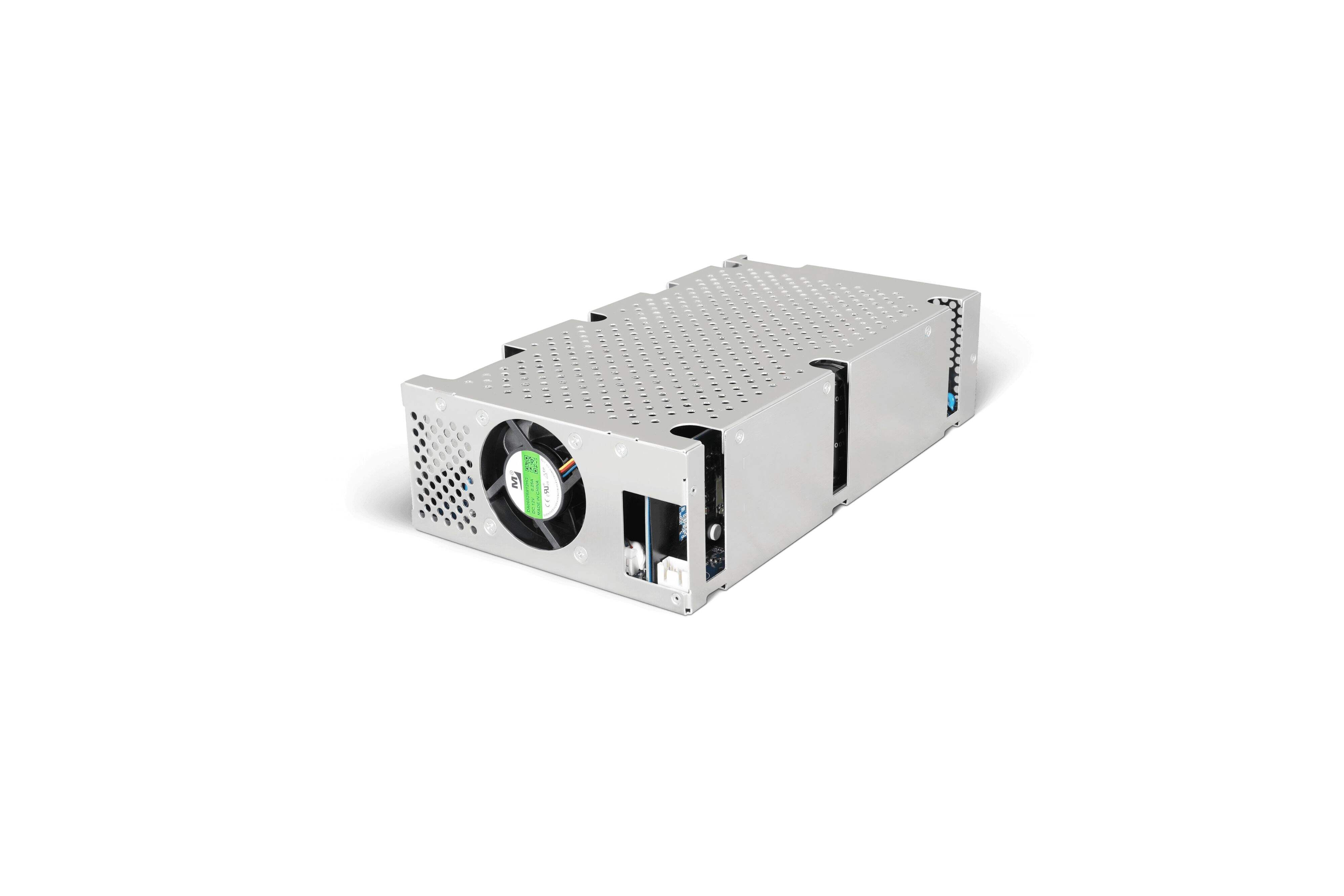
Superior Power Conversion Efficiency and Energy Savings
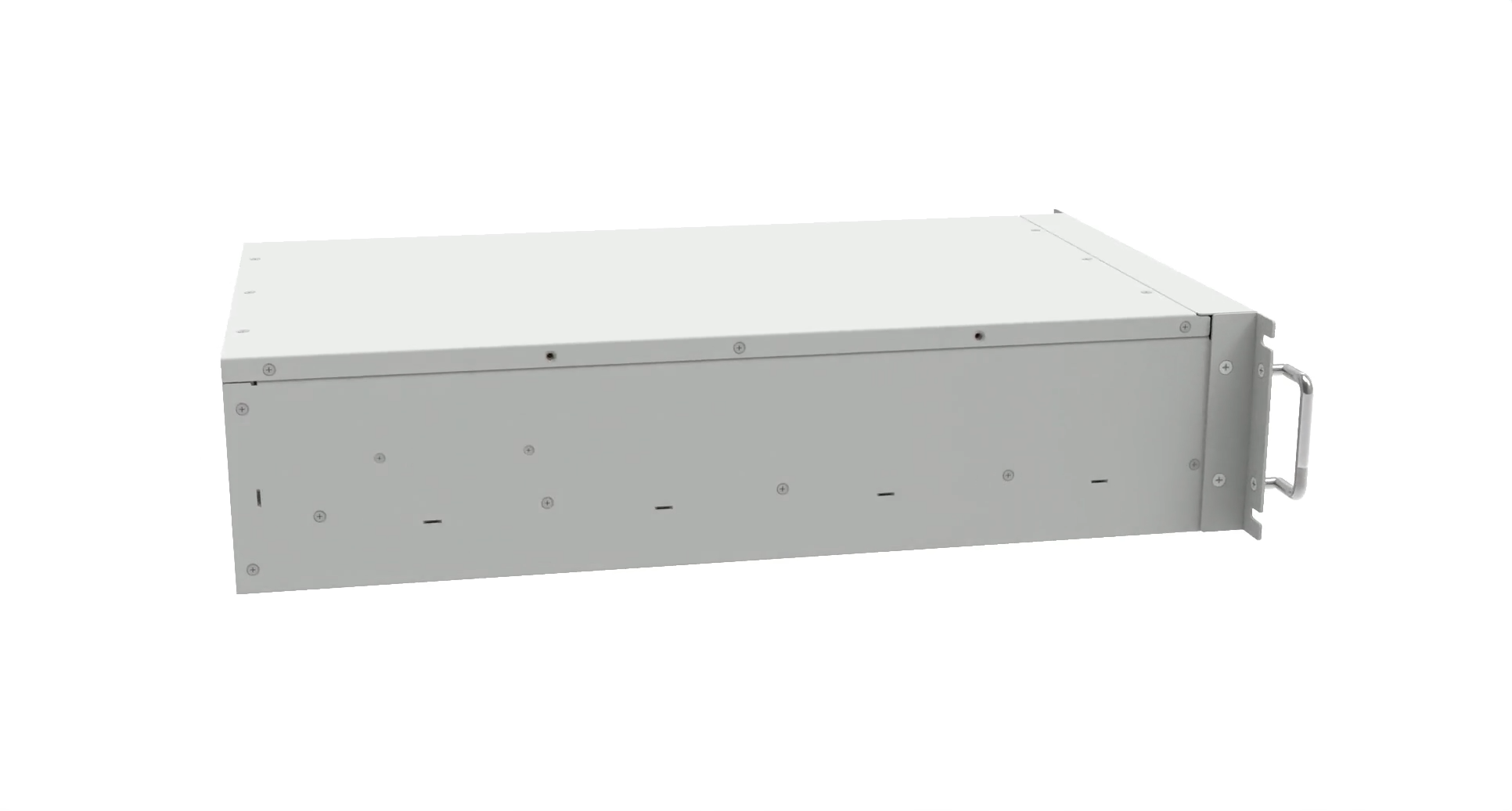
The non isolated bidirectional dc dc converter achieves remarkable power conversion efficiency through advanced semiconductor technology and optimized switching algorithms that minimize energy losses during operation. This exceptional efficiency stems from reduced component count compared to isolated designs, eliminating transformer losses and associated magnetic core inefficiencies. The converter typically operates at efficiency levels exceeding ninety-three percent, translating into substantial energy savings over the device lifetime. High-frequency switching technology enables the use of smaller passive components while maintaining excellent ripple performance and dynamic response characteristics. The efficiency benefits become particularly pronounced in applications requiring continuous operation, where even small percentage improvements result in significant cost savings. Advanced synchronous rectification techniques replace traditional diodes with controlled switches, further reducing conduction losses and improving overall system performance. The converter incorporates adaptive switching frequency modulation that optimizes efficiency across varying load conditions, ensuring peak performance regardless of power demand fluctuations. Temperature-compensated control algorithms maintain consistent efficiency levels across wide operating temperature ranges, preventing performance degradation in challenging environmental conditions. Energy recovery capabilities allow the non isolated bidirectional dc dc converter to recapture power during regenerative operations, maximizing system efficiency in applications like motor drives and energy storage systems. The converter features intelligent power management functions that automatically adjust operating parameters to maintain optimal efficiency while meeting load requirements. Dead-time optimization reduces switching losses while preventing shoot-through currents that could damage semiconductor devices. Soft-switching techniques minimize switching stress on components, extending operational lifespan while maintaining high efficiency. The efficiency improvements directly translate into reduced cooling requirements, enabling more compact thermal management solutions and lower system costs. Built-in efficiency monitoring provides real-time feedback on performance metrics, enabling predictive maintenance and system optimization strategies that further enhance long-term energy savings.

 EN
EN