hybrid ac dc microgrid ppt
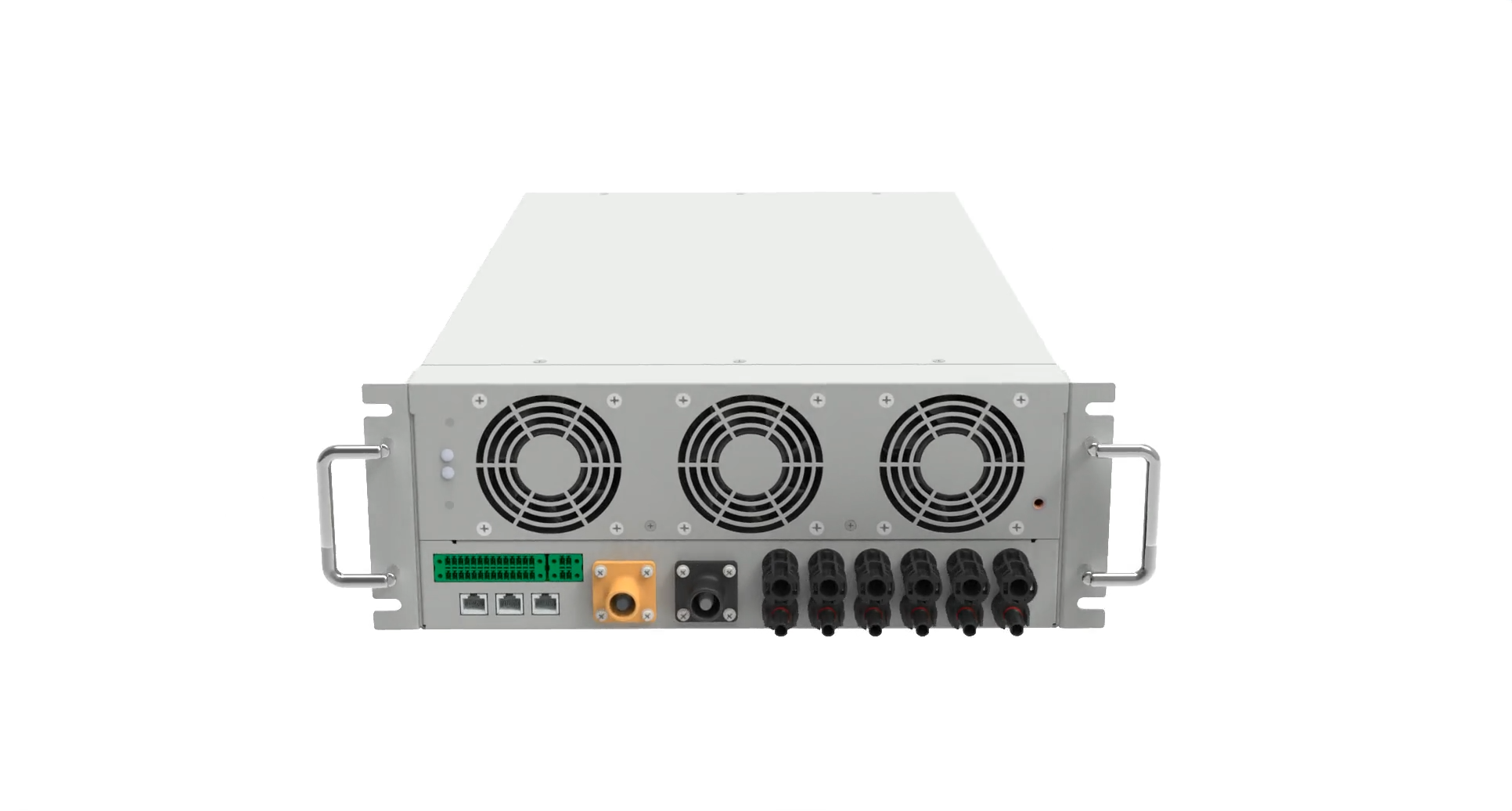
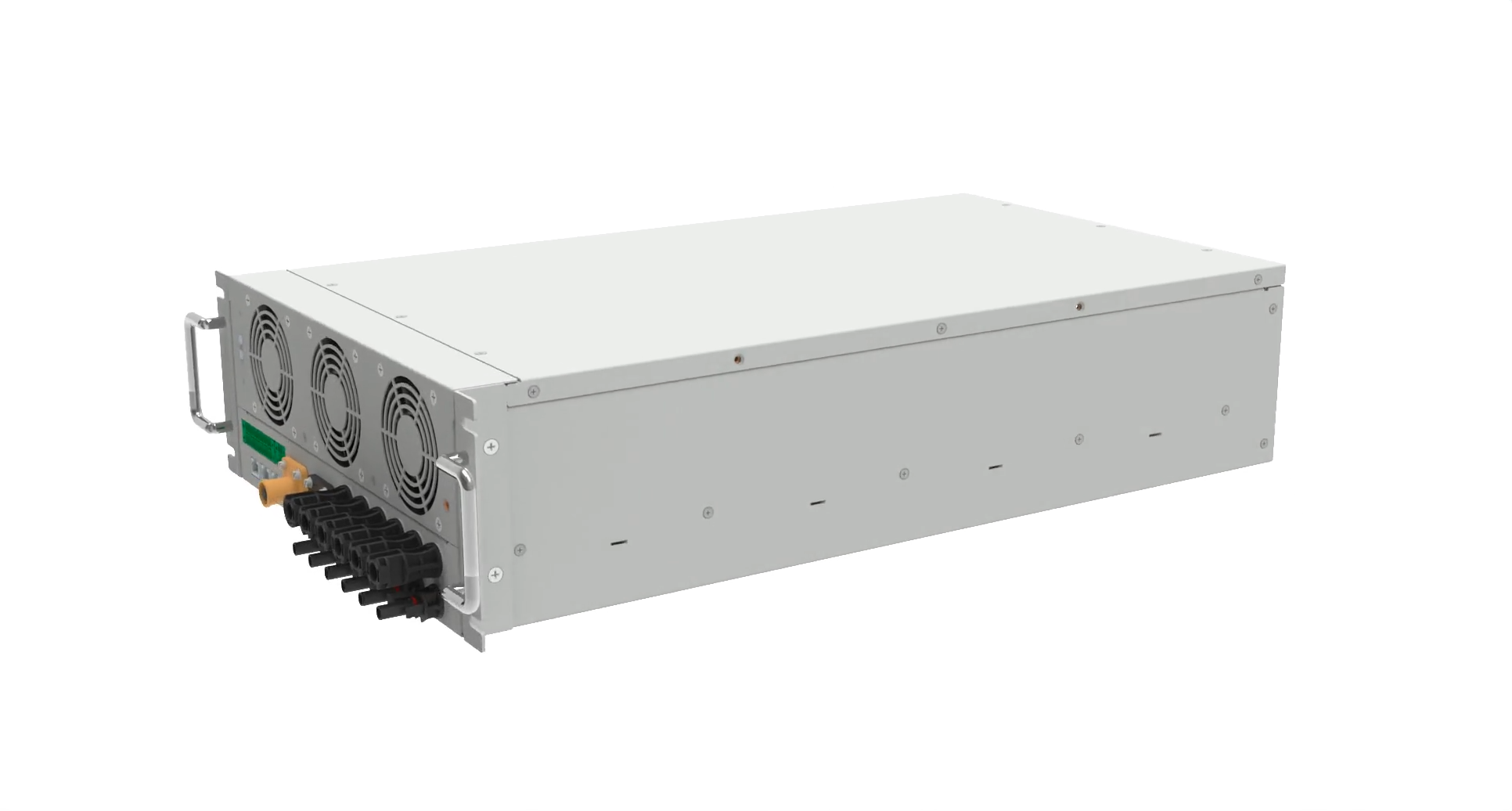
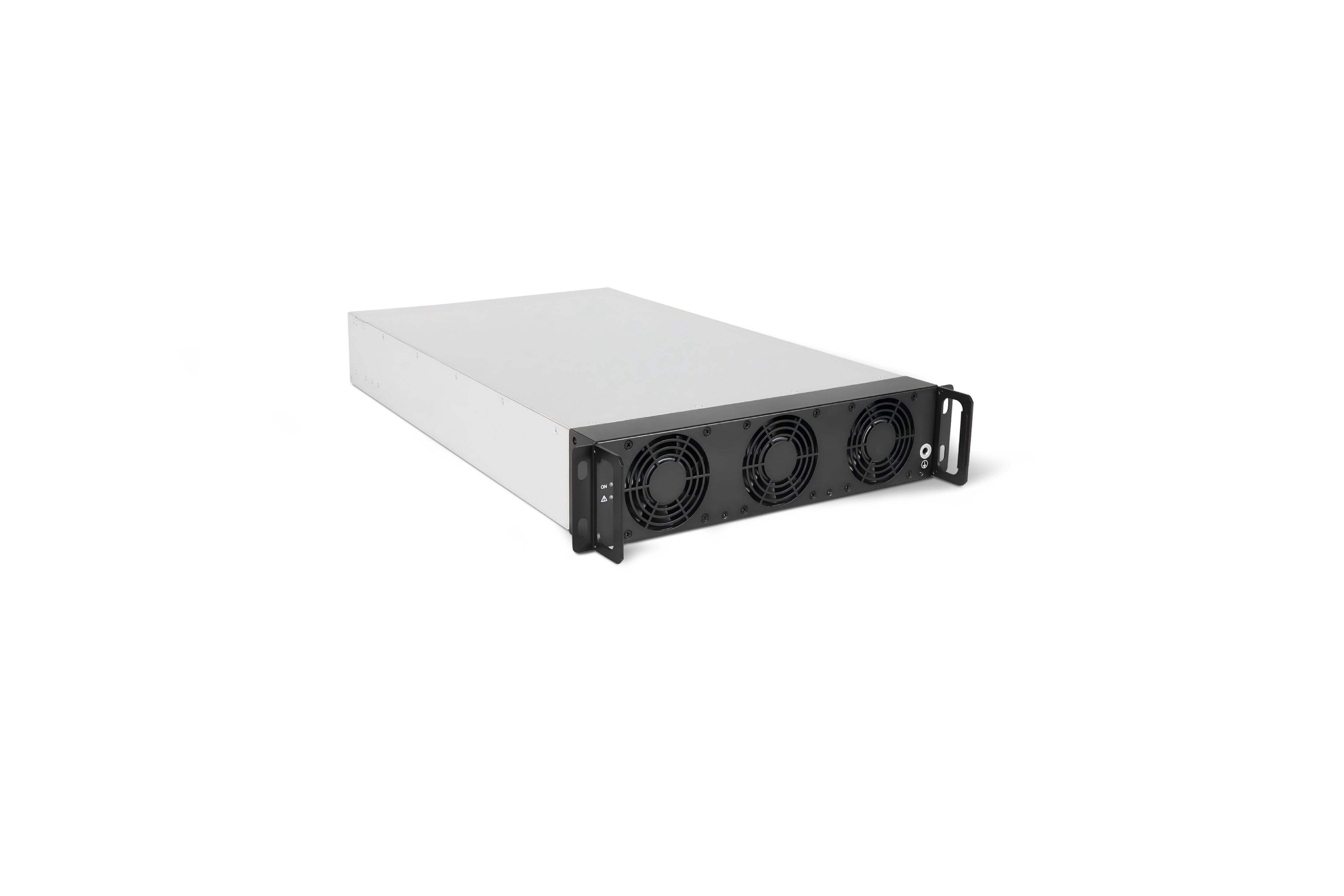
The hybrid ac dc microgrid ppt represents a revolutionary advancement in distributed energy systems, combining both alternating current and direct current technologies within a unified power distribution framework. This innovative presentation technology demonstrates how modern microgrids can seamlessly integrate renewable energy sources, energy storage systems, and traditional power generation methods to create resilient and efficient electrical networks. The hybrid ac dc microgrid ppt showcases the fundamental architecture that enables bidirectional power flow management between AC and DC components, optimizing energy utilization across diverse load requirements. The main functions of this system include real-time power quality management, automatic load balancing, and intelligent energy routing between different circuit types. The technological features encompass advanced power electronic converters that facilitate smooth transitions between AC and DC domains, sophisticated control algorithms that monitor grid stability, and smart switching mechanisms that ensure uninterrupted power supply during various operational scenarios. The hybrid ac dc microgrid ppt demonstrates applications spanning residential complexes, commercial facilities, industrial manufacturing plants, and remote communities where reliable power infrastructure remains critical. These systems excel in environments requiring high power quality standards, such as data centers, hospitals, and research laboratories. The presentation technology illustrates how hybrid configurations reduce conversion losses by matching source and load characteristics appropriately, whether dealing with solar panels producing DC power or wind turbines generating AC electricity. Integration capabilities allow seamless connection with utility grids while maintaining operational independence during outages or maintenance periods. The hybrid ac dc microgrid ppt emphasizes scalability features that enable system expansion based on growing energy demands without requiring complete infrastructure overhauls.

 EN
EN