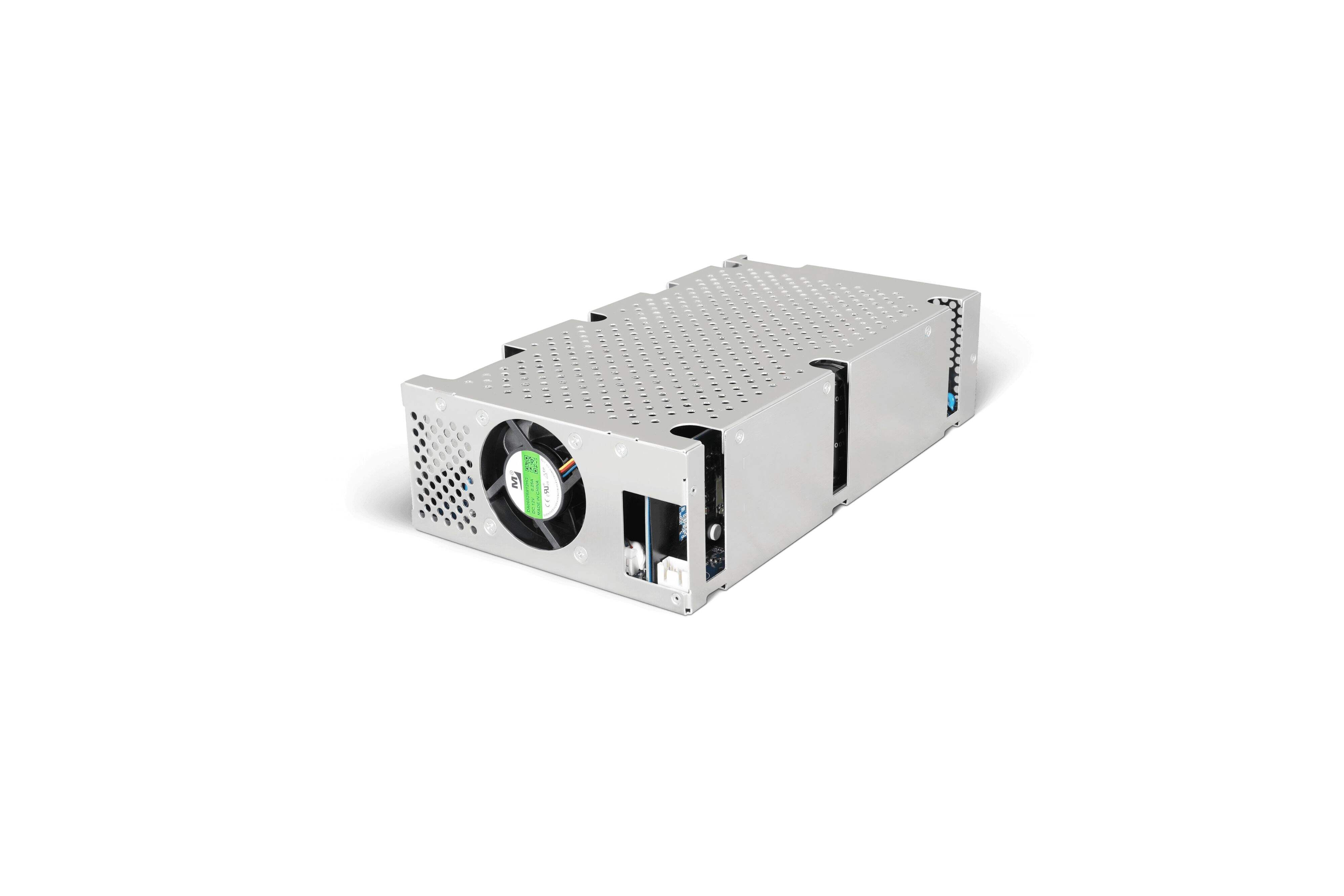
DC Microgrid for Wind and Solar Power Integration: Complete Guide to Renewable Energy Solutions

All Categories

Get a Free Quote

Our representative will contact you soon.
Email
Name
Company Name
Message
0/1000

dc microgrid for wind and solar power integration

The dc microgrid for wind and solar power integration represents a revolutionary approach to distributed energy management, combining direct current technology with renewable energy sources to create efficient, localized power networks. This innovative system functions as an intelligent electricity distribution platform that connects wind turbines, solar panels, energy storage systems, and local loads through a unified DC infrastructure. The primary function of a dc microgrid for wind and solar power integration involves collecting, managing, and distributing clean energy while maintaining grid stability and optimizing power flow. The system operates independently or connects to the main electrical grid, providing flexibility and resilience for various applications. Technological features of the dc microgrid for wind and solar power integration include advanced power electronics, smart inverters, battery management systems, and sophisticated control algorithms that monitor and adjust energy production and consumption in real-time. The integration capabilities allow seamless connection of multiple renewable energy sources, creating synergy between wind and solar generation patterns. Energy storage components within the dc microgrid for wind and solar power integration store excess power during peak production periods and release it when renewable generation decreases, ensuring continuous electricity supply. Applications span residential communities, commercial facilities, industrial complexes, remote locations, and urban developments where energy independence and sustainability are priorities. The dc microgrid for wind and solar power integration serves educational institutions, healthcare facilities, military installations, and off-grid communities requiring reliable, clean electricity. Modern implementations incorporate IoT sensors, machine learning algorithms, and predictive analytics to optimize performance, reduce maintenance costs, and extend system lifespan. The scalable architecture allows expansion from small residential systems to large community-wide networks, adapting to growing energy demands and incorporating additional renewable sources as needed.


Popular Products

The dc microgrid for wind and solar power integration delivers substantial cost savings by eliminating multiple power conversion steps typically required in traditional AC systems. Users experience reduced electricity bills through decreased reliance on utility companies and improved energy efficiency. The system maximizes renewable energy utilization by capturing and storing power that would otherwise be wasted during peak production periods. Installation costs decrease significantly compared to complex AC infrastructure because the dc microgrid for wind and solar power integration requires fewer components and simplified wiring configurations. Maintenance expenses drop substantially due to the robust design and fewer moving parts within the DC system architecture. Energy independence becomes achievable as the dc microgrid for wind and solar power integration operates autonomously during grid outages or in remote locations without traditional utility access. Users gain complete control over their energy production, consumption, and storage, reducing vulnerability to fluctuating electricity prices and supply disruptions. Environmental benefits multiply as the dc microgrid for wind and solar power integration eliminates carbon emissions associated with fossil fuel-based electricity generation. The system contributes directly to sustainability goals while providing clean, renewable energy for daily operations. Reliability improves dramatically because the dc microgrid for wind and solar power integration continues operating even when individual components require maintenance or replacement. Load balancing capabilities ensure consistent power delivery regardless of weather conditions affecting wind or solar generation. The intelligent management system automatically switches between energy sources and storage to maintain uninterrupted electricity supply. Scalability advantages allow users to start with basic configurations and expand capacity as energy needs grow or budgets permit. Integration flexibility enables connection of various renewable technologies, electric vehicle charging stations, and smart home devices within a unified energy ecosystem. Performance monitoring provides real-time data about energy production, consumption patterns, and system efficiency, empowering users to make informed decisions about their energy usage. The dc microgrid for wind and solar power integration future-proofs investments by supporting emerging technologies and adapting to evolving energy standards and regulations.

Tips And Tricks

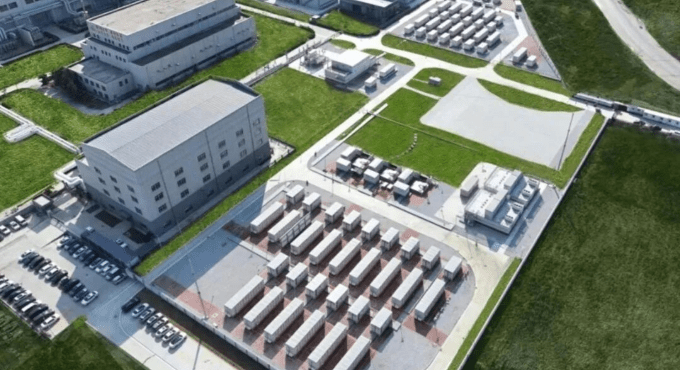
A Power Station That Doesn’t Generate Electricity — Yet Moves 120 Million kWh a Year

18

Dec

A Power Station That Doesn’t Generate Electricity — Yet Moves 120 Million kWh a Year

View More
BOCO Electronics Brings Hengyang Intelligent Manufacturing Base Online, Expanding Annual Production Beyond One Million Units

18

Dec

BOCO Electronics Brings Hengyang Intelligent Manufacturing Base Online, Expanding Annual Production Beyond One Million Units

View More
BOCO Electronics Demonstrates System-Level Power Conversion Innovation at SNEC 2025

18

Dec

BOCO Electronics Demonstrates System-Level Power Conversion Innovation at SNEC 2025

View More

Get a Free Quote

Our representative will contact you soon.
Email
Name
Company Name
Message
0/1000

dc microgrid for wind and solar power integration

Advanced Energy Storage and Management Capabilities

Advanced Energy Storage and Management Capabilities

The dc microgrid for wind and solar power integration incorporates cutting-edge battery storage technology that revolutionizes how renewable energy is captured, stored, and distributed throughout connected systems. This sophisticated energy management capability addresses the intermittent nature of wind and solar generation by storing excess power during favorable weather conditions and releasing it when renewable sources cannot meet demand. The integrated battery management system monitors individual cell performance, temperature, voltage levels, and charging cycles to maximize storage efficiency and extend battery lifespan. Smart algorithms within the dc microgrid for wind and solar power integration predict energy production patterns based on weather forecasts, historical data, and seasonal variations, automatically adjusting storage strategies to optimize power availability. The system prevents energy waste by intelligently routing surplus electricity to storage units when consumption is low and renewable generation is high. During peak demand periods or when wind and solar output decreases, the stored energy seamlessly supplements power supply without interruption. This capability ensures continuous electricity availability regardless of weather fluctuations or time of day. The dc microgrid for wind and solar power integration also incorporates multiple storage technologies including lithium-ion batteries, flow batteries, and emerging solid-state solutions to provide diverse storage options suited to different applications and budgets. Advanced monitoring systems provide real-time visibility into storage capacity, charging status, and remaining runtime, enabling proactive maintenance and replacement planning. The intelligent energy management extends battery life through optimal charging protocols that prevent overcharging, deep discharge cycles, and temperature-related degradation. Users benefit from predictable energy costs, improved grid independence, and enhanced system reliability through this comprehensive storage and management approach.
Seamless Renewable Energy Integration and Optimization

Seamless Renewable Energy Integration and Optimization

The dc microgrid for wind and solar power integration excels at combining multiple renewable energy sources into a unified, highly efficient power generation network that maximizes clean energy output throughout varying environmental conditions. This integration capability leverages the complementary nature of wind and solar resources, where wind often generates more power during evening hours and cloudy days when solar production decreases, creating a more consistent overall energy supply. The sophisticated control system within the dc microgrid for wind and solar power integration continuously monitors weather patterns, wind speeds, solar irradiance levels, and energy demand to optimize power generation from each source. Maximum Power Point Tracking technology ensures that both wind turbines and solar panels operate at peak efficiency regardless of changing environmental conditions. The system automatically adjusts turbine blade angles, solar panel positioning, and power conversion settings to extract maximum energy from available resources. Integration benefits extend beyond simple addition of renewable sources because the dc microgrid for wind and solar power integration creates synergistic effects where combined output exceeds what individual systems would produce separately. Load forecasting algorithms predict energy consumption patterns and automatically coordinate renewable generation to meet anticipated demand while minimizing reliance on grid electricity or backup systems. The platform supports various wind turbine types including horizontal axis, vertical axis, and micro-wind installations alongside different solar technologies such as crystalline silicon, thin-film, and concentrated photovoltaic systems. This flexibility allows customization based on local weather patterns, available space, and specific energy requirements. The dc microgrid for wind and solar power integration also accommodates future renewable additions including micro-hydro systems, geothermal units, and emerging clean energy technologies, ensuring long-term adaptability and growth potential for evolving energy needs.
Enhanced Grid Resilience and Energy Independence

Enhanced Grid Resilience and Energy Independence

The dc microgrid for wind and solar power integration provides unprecedented energy security by creating autonomous power networks that operate independently from traditional utility grids while maintaining the option for grid connection when beneficial. This dual-mode capability ensures continuous electricity supply during utility outages, natural disasters, or grid maintenance periods that would otherwise leave conventional systems without power. The resilient architecture of the dc microgrid for wind and solar power integration includes multiple redundancy layers where backup systems automatically activate when primary components require maintenance or experience unexpected failures. Island mode operation allows the system to disconnect from the main grid and function entirely on renewable generation and stored energy, providing complete energy independence for extended periods. The intelligent switching system seamlessly transitions between grid-connected and islanded modes without power interruption or equipment damage. Advanced protection systems within the dc microgrid for wind and solar power integration prevent electrical faults from propagating throughout the network while isolating problematic sections to maintain power to unaffected areas. This compartmentalization approach ensures that single-point failures do not compromise entire system operation. The robust communication network enables remote monitoring and control capabilities, allowing system operators to diagnose issues, adjust settings, and coordinate maintenance activities from anywhere with internet access. Cybersecurity measures protect the dc microgrid for wind and solar power integration from digital threats through encrypted communications, secure authentication protocols, and isolated control networks that prevent unauthorized access to critical systems. The modular design philosophy ensures that individual components can be serviced or replaced without shutting down the entire microgrid, minimizing downtime and maintenance impacts. Energy independence benefits extend to reduced exposure to volatile utility rates, protection from supply chain disruptions, and freedom from regulatory changes affecting traditional electricity markets. The dc microgrid for wind and solar power integration empowers users to control their energy destiny while contributing to broader grid stability through demand reduction and potential energy export capabilities during surplus generation periods.

Get a Free Quote

Our representative will contact you soon.
Email
Name
Company Name
Message
0/1000