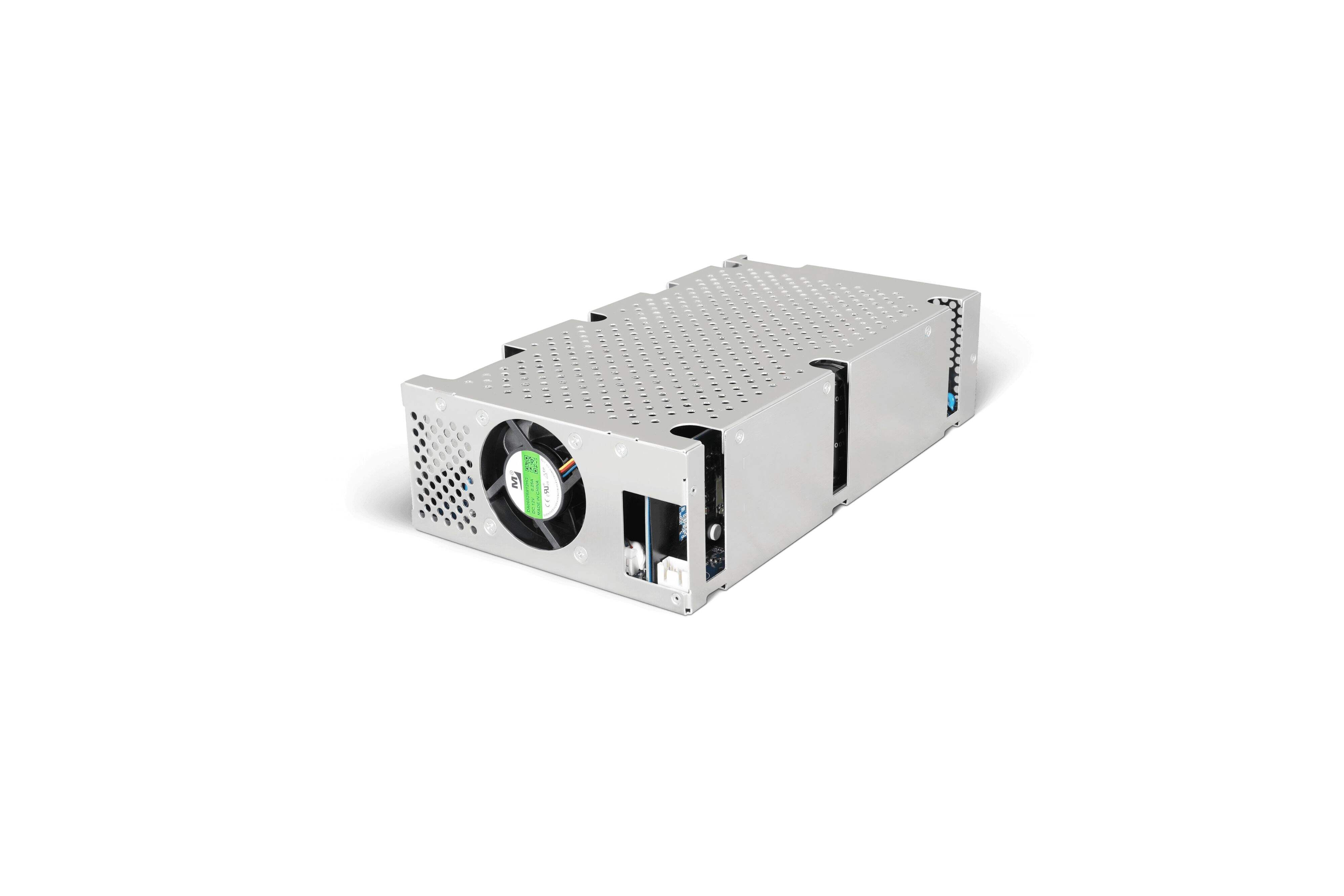
Seamless Grid Integration and Smart Features
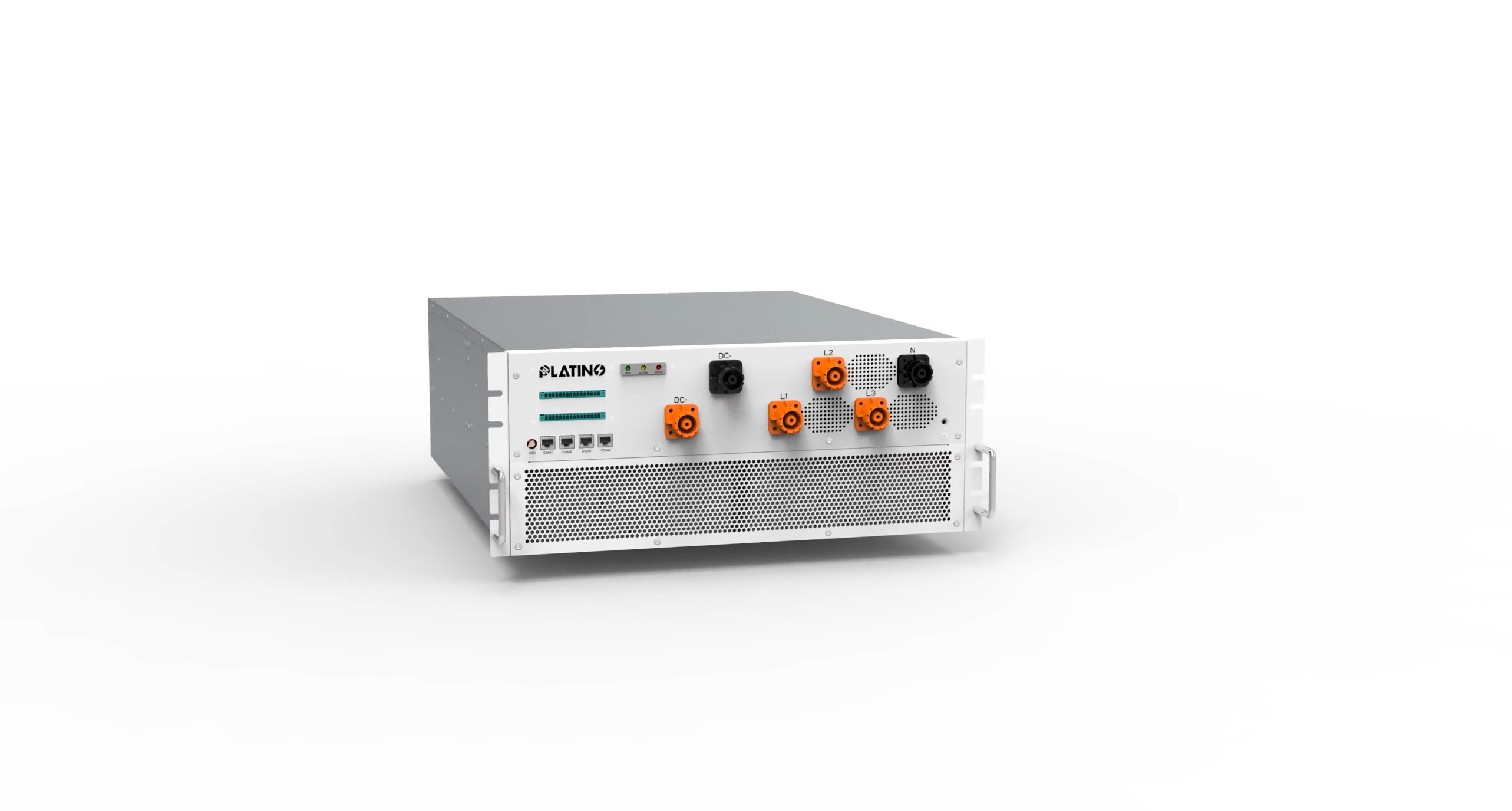
Seamless grid integration and smart features distinguish modern dc power to ac power conversion systems as intelligent power management solutions that automatically optimize energy distribution and system performance without requiring constant user intervention. These advanced capabilities enable sophisticated interaction between DC power sources, AC loads, and utility grid connections, creating flexible energy ecosystems that maximize efficiency and cost savings. Automatic grid synchronization ensures that converted AC power matches utility grid frequency, voltage, and phase characteristics precisely, enabling safe parallel operation and seamless transitions between different power sources. This synchronization capability allows dc power to ac power conversion systems to supplement grid power during peak demand periods or completely replace grid electricity during outages without interrupting power to connected loads. Smart load management features continuously monitor power consumption patterns and automatically prioritize critical loads during periods of limited DC power availability, ensuring essential equipment receives power while non-critical devices are temporarily disconnected. Anti-islanding protection prevents the conversion system from energizing utility lines during grid outages, protecting utility workers and preventing equipment damage when grid power restoration occurs. Net metering compatibility enables bidirectional power flow, allowing excess converted AC power to flow back into the utility grid while accurately tracking energy production and consumption for billing purposes. Remote monitoring capabilities through wireless communication interfaces enable users to track system performance, energy production, and operational status from smartphones, tablets, or computer interfaces, providing real-time insights into power generation and consumption patterns. Programmable operating parameters allow users to customize system behavior for specific applications, setting priority loads, charging schedules, and grid interaction preferences that align with individual energy management goals. Automatic firmware updates ensure that dc power to ac power conversion systems maintain peak performance and incorporate the latest features and security enhancements without requiring manual intervention. Predictive maintenance algorithms analyze operational data to identify potential issues before they cause system failures, reducing maintenance costs and preventing unexpected downtime. Energy management optimization uses weather forecasting data and historical consumption patterns to make intelligent decisions about when to store energy, when to use grid power, and when to sell excess production back to utilities, maximizing the economic benefits of renewable energy investments while ensuring reliable power availability for critical applications.
 EN
EN