Leading Power Conversion System Manufacturer - Advanced Efficiency & Reliability Solutions

All Categories

Get a Free Quote

Our representative will contact you soon.
Email
Name
Company Name
Message
0/1000

power conversion system manufacturer

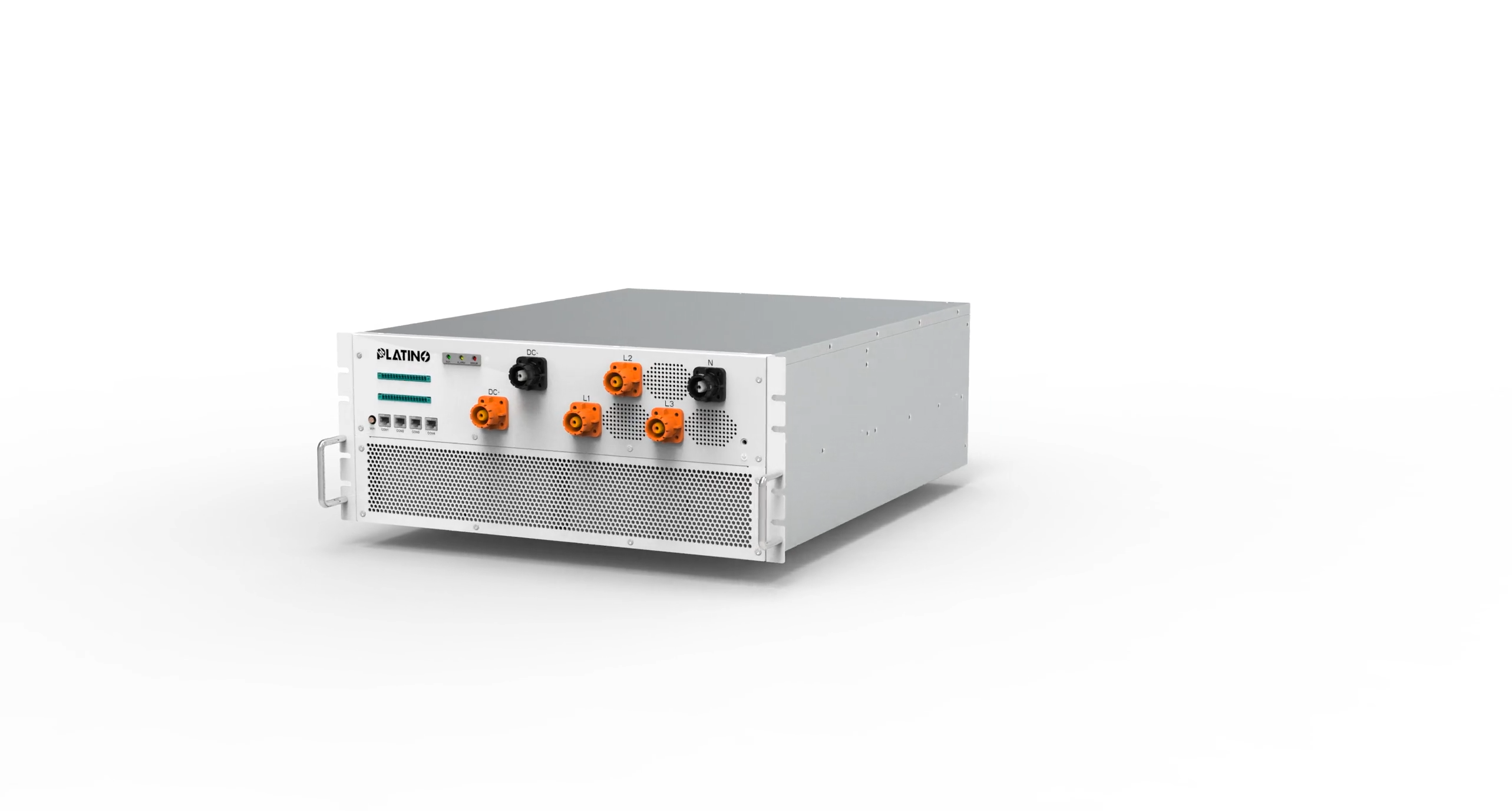
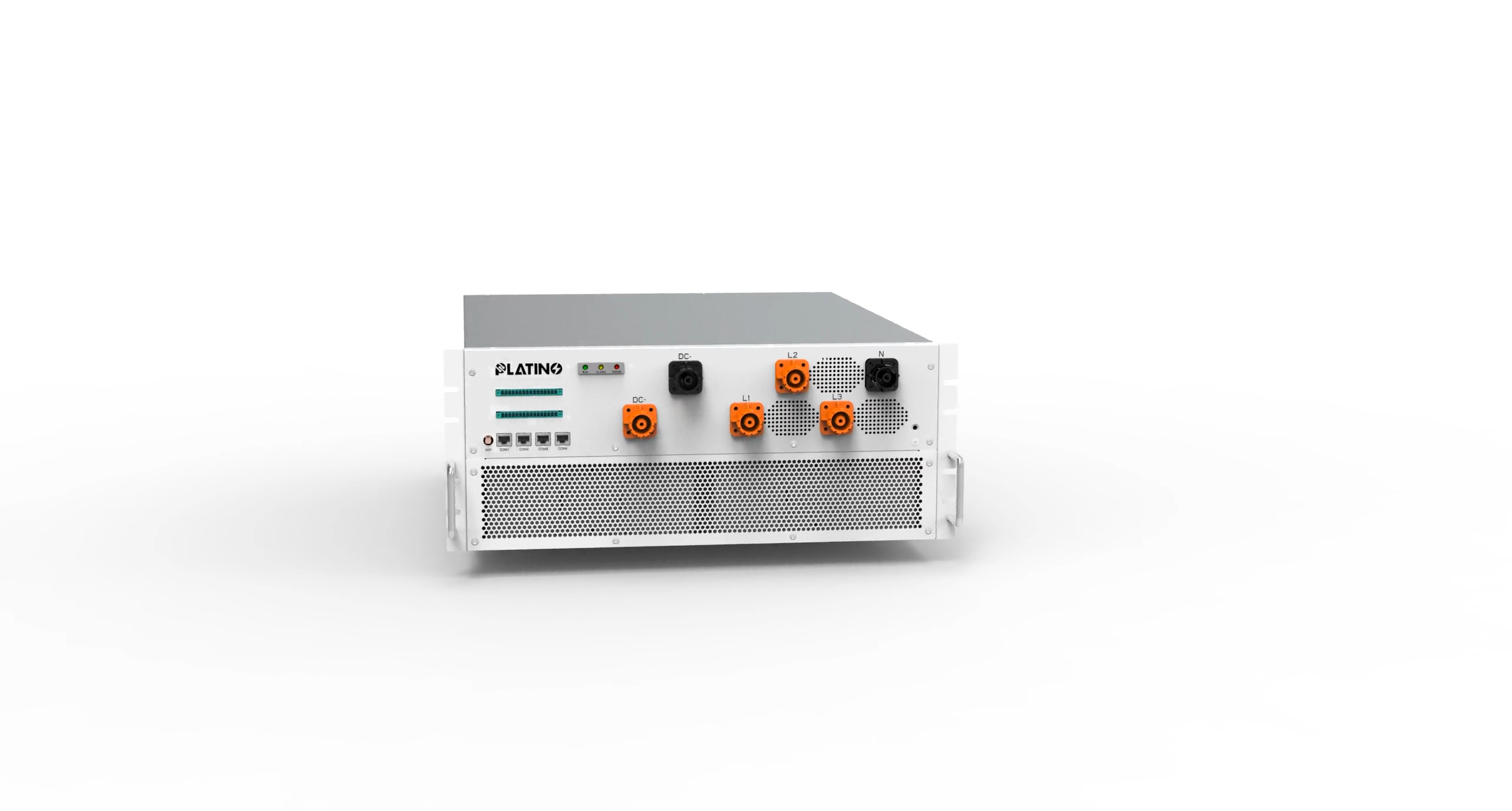
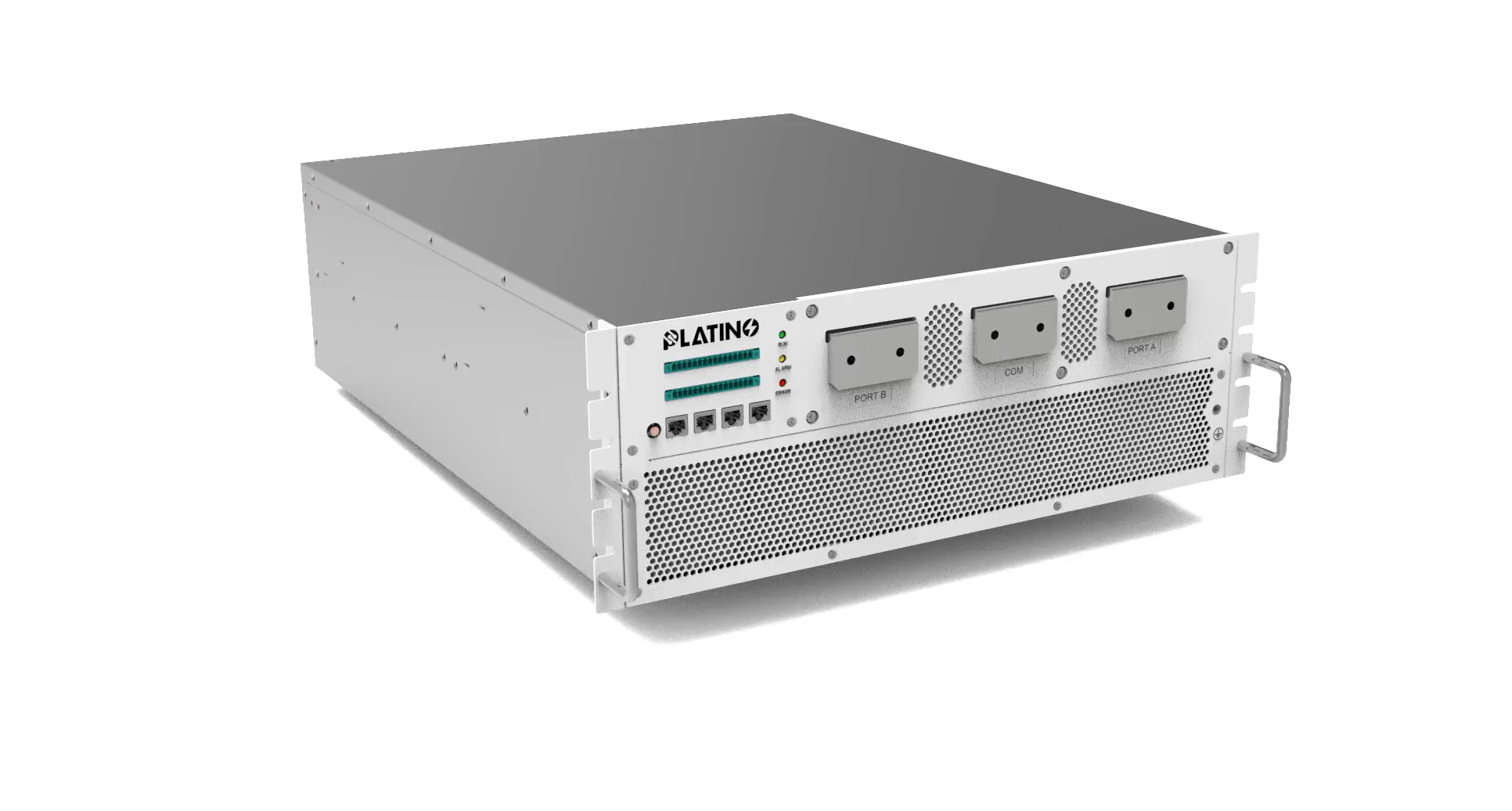
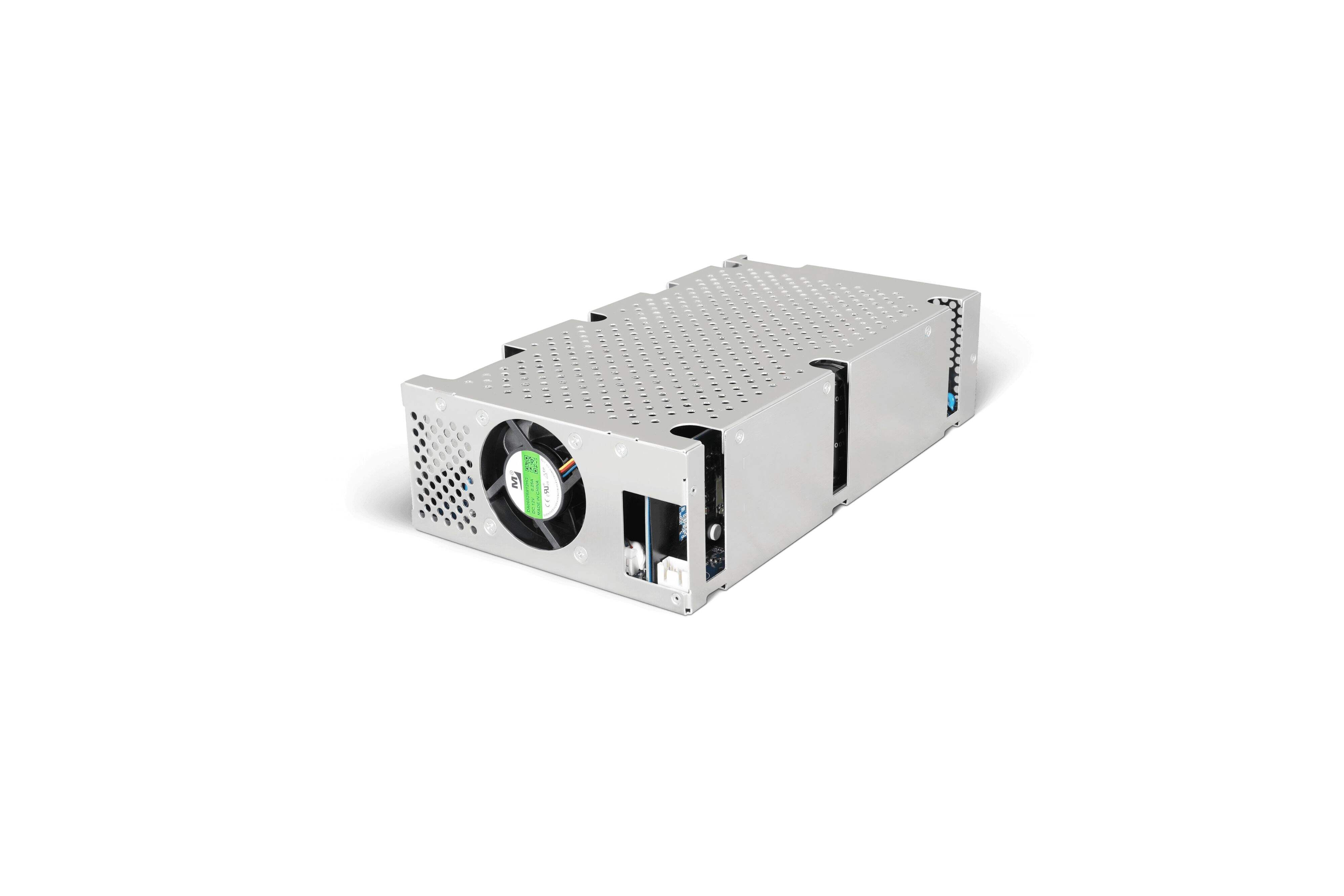
A power conversion system manufacturer specializes in designing, producing, and delivering sophisticated electrical systems that transform energy from one form to another with maximum efficiency and reliability. These companies serve as critical partners across multiple industries, creating customized solutions that convert electrical power between different voltage levels, frequencies, and current types to meet specific operational requirements. The primary functions of a power conversion system manufacturer encompass research and development of cutting-edge power electronics, engineering custom conversion solutions for unique applications, manufacturing high-quality components and complete systems, and providing comprehensive technical support throughout the product lifecycle. Modern power conversion system manufacturer operations integrate advanced semiconductor technologies, including silicon carbide and gallium nitride devices, which enable higher switching frequencies, reduced losses, and compact designs. These manufacturers typically offer a comprehensive portfolio including AC-DC converters, DC-DC converters, DC-AC inverters, frequency converters, and complex multi-stage power processing units. The technological features that distinguish leading power conversion system manufacturer companies include sophisticated control algorithms, real-time monitoring capabilities, fault protection mechanisms, and modular architectures that allow for scalable solutions. Digital signal processing and microcontroller-based control systems enable precise regulation of output parameters while maintaining optimal efficiency across varying load conditions. Applications for power conversion system manufacturer products span numerous sectors including renewable energy systems, electric vehicle charging infrastructure, industrial automation, telecommunications, aerospace, marine systems, medical equipment, and data centers. In renewable energy applications, these systems convert variable DC output from solar panels or wind turbines into grid-compatible AC power. For electric vehicle infrastructure, power conversion system manufacturer solutions enable rapid charging while managing power quality and grid stability. Industrial applications rely on these systems for motor drives, welding equipment, and process control systems that require precise power management.


New Product Recommendations

The advantages of partnering with an established power conversion system manufacturer extend far beyond simple product procurement, offering customers comprehensive value propositions that directly impact operational efficiency and long-term success. First and foremost, these manufacturers provide extensive engineering expertise that eliminates the need for customers to develop in-house power electronics capabilities. This expertise translates into faster project completion times, reduced development costs, and access to proven technologies that have been tested across multiple applications. Customers benefit from standardized yet flexible product lines that can be customized to meet specific requirements without the lengthy development cycles associated with completely custom solutions. Quality assurance represents another significant advantage, as reputable power conversion system manufacturer companies implement rigorous testing protocols and quality management systems that ensure consistent performance and reliability. This translates into reduced downtime, lower maintenance costs, and improved overall system reliability for end users. Technical support services provided by power conversion system manufacturer organizations include pre-sales engineering consultation, system integration assistance, commissioning support, and ongoing maintenance programs. These services reduce customer risk and ensure optimal system performance throughout the operational lifecycle. Cost effectiveness emerges through economies of scale that power conversion system manufacturer companies achieve through volume production, specialized manufacturing processes, and optimized supply chain management. Customers access advanced technologies at competitive prices while avoiding the substantial capital investments required for internal development and manufacturing capabilities. Regulatory compliance represents a critical advantage, as established manufacturers maintain current certifications and approvals for multiple international standards and safety requirements. This compliance reduces customer liability and accelerates market entry for products incorporating these power conversion systems. Innovation leadership allows customers to leverage emerging technologies and industry best practices without investing in research and development infrastructure. Power conversion system manufacturer companies continuously invest in next-generation technologies, ensuring customers have access to the most advanced solutions available. Scalability benefits enable customers to start with smaller systems and expand capacity as requirements grow, supported by modular designs and consistent interfaces. Supply chain reliability ensures consistent product availability and reduces procurement risks through established supplier relationships and inventory management systems.

Latest News

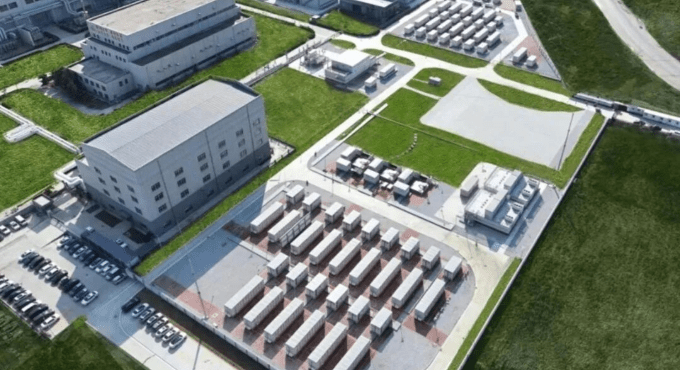
A Power Station That Doesn’t Generate Electricity — Yet Moves 120 Million kWh a Year

18

Dec

A Power Station That Doesn’t Generate Electricity — Yet Moves 120 Million kWh a Year

View More
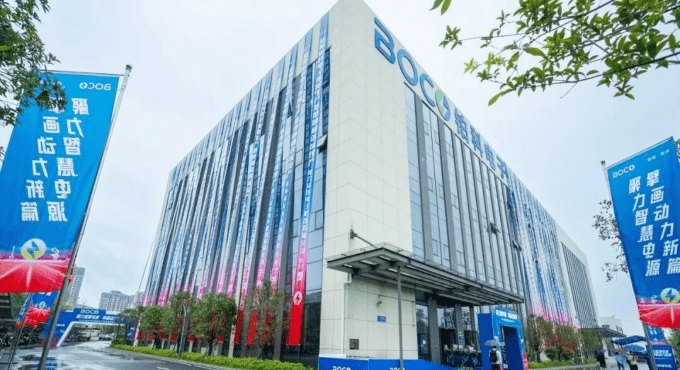
BOCO Electronics Brings Hengyang Intelligent Manufacturing Base Online, Expanding Annual Production Beyond One Million Units

18

Dec

BOCO Electronics Brings Hengyang Intelligent Manufacturing Base Online, Expanding Annual Production Beyond One Million Units

View More
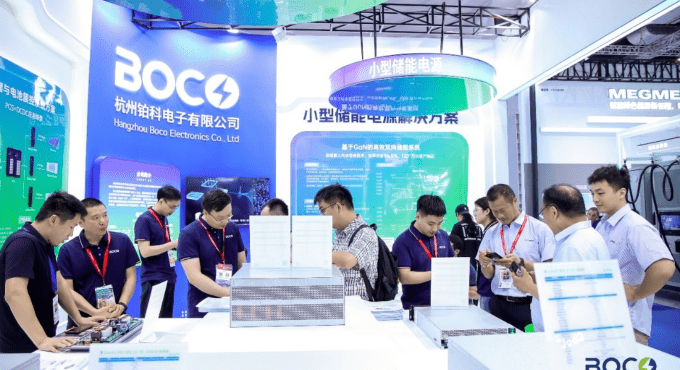
BOCO Electronics Demonstrates System-Level Power Conversion Innovation at SNEC 2025

18

Dec

BOCO Electronics Demonstrates System-Level Power Conversion Innovation at SNEC 2025

View More

Get a Free Quote

Our representative will contact you soon.
Email
Name
Company Name
Message
0/1000

power conversion system manufacturer

Advanced Efficiency Optimization Technology

Advanced Efficiency Optimization Technology

Leading power conversion system manufacturer companies distinguish themselves through revolutionary efficiency optimization technologies that deliver substantial operational cost savings and environmental benefits to customers across all application sectors. These manufacturers implement sophisticated switching topologies, advanced control algorithms, and premium semiconductor devices to achieve efficiency levels exceeding 98 percent in many applications. The significance of high efficiency extends beyond simple energy savings, creating cascading benefits throughout the entire system architecture. Reduced power losses translate directly into lower cooling requirements, enabling more compact system designs and reduced infrastructure costs. For large-scale applications such as renewable energy farms or industrial facilities, even modest efficiency improvements can generate substantial annual savings in electricity costs while reducing carbon footprint. Power conversion system manufacturer efficiency optimization incorporates multiple technological approaches including zero-voltage switching, resonant conversion techniques, and adaptive control strategies that maintain peak performance across varying load conditions. These technologies minimize switching losses, conduction losses, and magnetic core losses that traditionally limit converter efficiency. Advanced thermal management solutions, including intelligent fan control, heat sink optimization, and thermal interface materials, ensure components operate within optimal temperature ranges for maximum efficiency and extended lifespan. Real-time efficiency monitoring and reporting capabilities allow customers to track performance metrics, identify optimization opportunities, and demonstrate compliance with energy efficiency regulations. The economic impact of these efficiency improvements becomes particularly pronounced in continuous operation applications where power conversion systems operate 24 hours daily. Over typical 20-year operational lifecycles, efficiency improvements of just 2-3 percent can result in energy cost savings that exceed the initial system purchase price. Environmental benefits include reduced greenhouse gas emissions and decreased strain on electrical grid infrastructure. Power conversion system manufacturer efficiency technologies also contribute to improved power quality through reduced harmonic distortion and better power factor correction, creating additional value for customers and utility providers.
Comprehensive Reliability and Safety Features

Comprehensive Reliability and Safety Features

Modern power conversion system manufacturer solutions incorporate extensive reliability and safety features that protect both equipment and personnel while ensuring continuous operation in demanding environments. These manufacturers understand that system downtime can result in significant financial losses and safety hazards, driving the development of robust protection mechanisms and fault-tolerant designs. Comprehensive protection systems include overvoltage protection, undervoltage protection, overcurrent protection, short-circuit protection, overtemperature protection, and ground fault detection. These protection features operate independently and in coordination to isolate faults quickly while minimizing damage to connected equipment. Power conversion system manufacturer safety implementations comply with international standards including IEC, UL, and CE requirements, ensuring products meet stringent safety criteria for global markets. Isolation technologies, including galvanic isolation and reinforced insulation systems, protect operators and sensitive equipment from electrical hazards while maintaining signal integrity and system performance. Advanced diagnostic capabilities enable predictive maintenance strategies that identify potential issues before they result in system failures. These diagnostic systems monitor critical parameters including component temperatures, vibration levels, electrical characteristics, and performance trends to provide early warning of developing problems. Remote monitoring capabilities allow power conversion system manufacturer technical teams to provide proactive support and troubleshooting assistance, reducing response times and minimizing downtime. Redundancy features in critical applications include parallel operation capabilities, backup power supplies, and automatic transfer systems that maintain operation even during component failures. Environmental protection measures ensure reliable operation across wide temperature ranges, humidity variations, altitude differences, and exposure to dust, moisture, and corrosive atmospheres. Quality assurance programs implemented by reputable power conversion system manufacturer organizations include extensive factory testing, burn-in procedures, and statistical quality control measures that identify potential reliability issues before products reach customers. Field failure analysis and continuous improvement programs ensure that lessons learned from operational experience are incorporated into future product designs, creating increasingly robust and reliable solutions for demanding applications.
Flexible Customization and Integration Capabilities

Flexible Customization and Integration Capabilities

Distinguished power conversion system manufacturer companies excel in providing flexible customization and seamless integration capabilities that adapt their standard product platforms to meet unique customer requirements without compromising quality or delivery schedules. This flexibility represents a critical competitive advantage for customers who need specialized solutions but cannot afford the time and cost associated with complete custom development programs. Modular design architectures enable power conversion system manufacturer teams to combine proven building blocks in novel configurations, creating tailored solutions that address specific voltage levels, power ratings, form factors, and interface requirements. These modular approaches reduce engineering time, minimize validation requirements, and maintain the reliability advantages of thoroughly tested components. Customization capabilities extend across multiple dimensions including electrical specifications, mechanical packaging, cooling systems, control interfaces, and communication protocols. Customers can specify unique input and output characteristics while leveraging established power conversion system manufacturer platforms for core functionality. This approach provides the benefits of custom solutions while maintaining cost effectiveness and reasonable delivery schedules. Integration support services help customers incorporate power conversion systems into larger equipment designs through comprehensive technical documentation, application notes, reference designs, and direct engineering collaboration. Power conversion system manufacturer integration teams work closely with customer engineers to optimize system interfaces, resolve compatibility issues, and ensure optimal performance in the intended application environment. Communication protocol support enables seamless integration with existing control systems through standard interfaces including Modbus, CANbus, Ethernet, and proprietary protocols specific to particular industries or applications. Advanced control features allow customers to implement sophisticated system behaviors including load sharing, synchronization, and coordinated operation with other equipment. Software development tools and programming interfaces enable customers to create custom control algorithms while leveraging proven power conversion system manufacturer hardware platforms. Field programmable gate arrays and embedded processors provide computational resources for implementing customer-specific functionality without requiring hardware modifications. Configuration management and version control systems ensure that customized solutions can be reproduced accurately for future orders while maintaining traceability and quality control. This systematic approach to customization enables power conversion system manufacturer companies to serve diverse markets effectively while maintaining operational efficiency and product quality standards that customers depend upon for their critical applications.

Get a Free Quote

Our representative will contact you soon.
Email
Name
Company Name
Message
0/1000