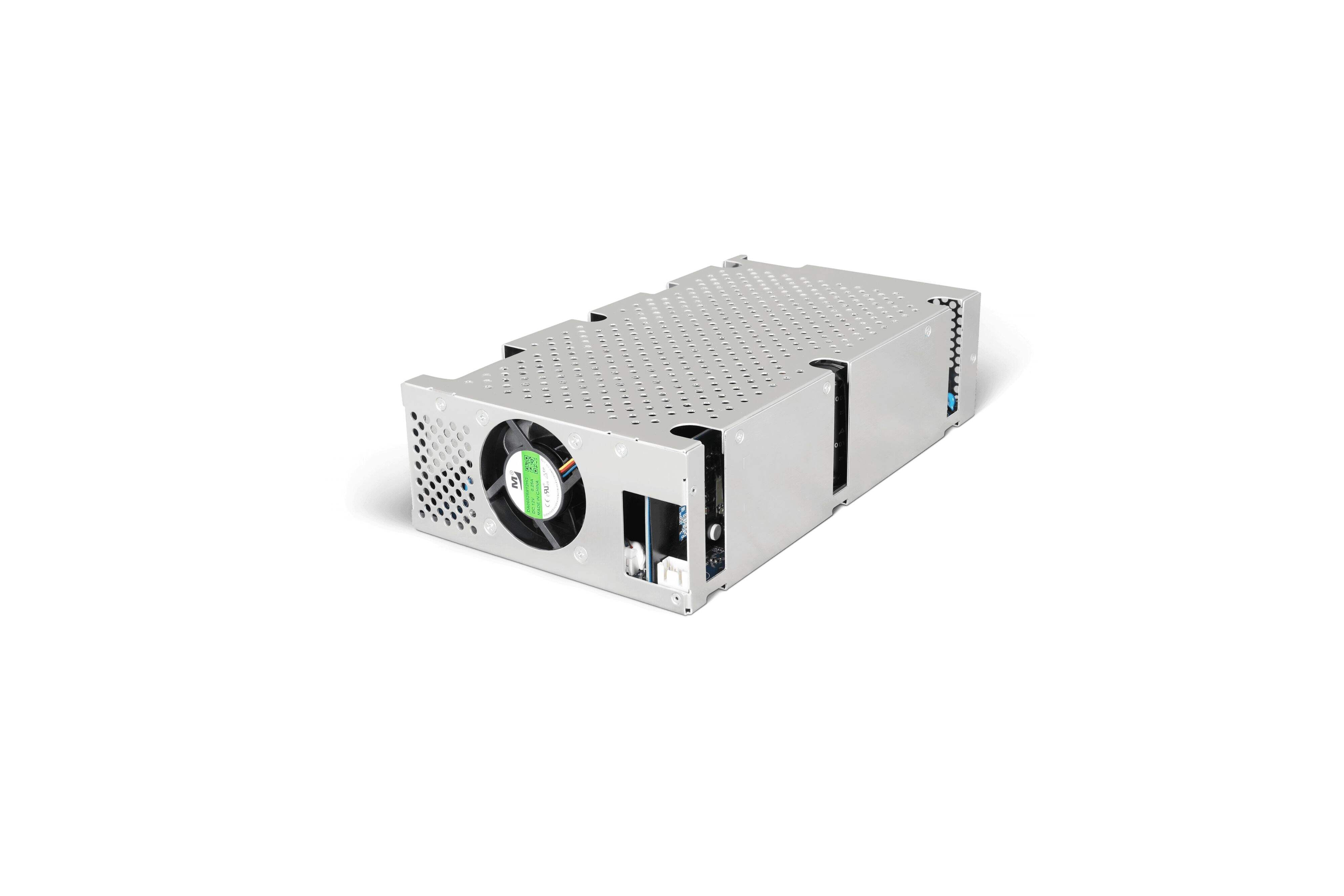
Intelligent Monitoring and Control Capabilities
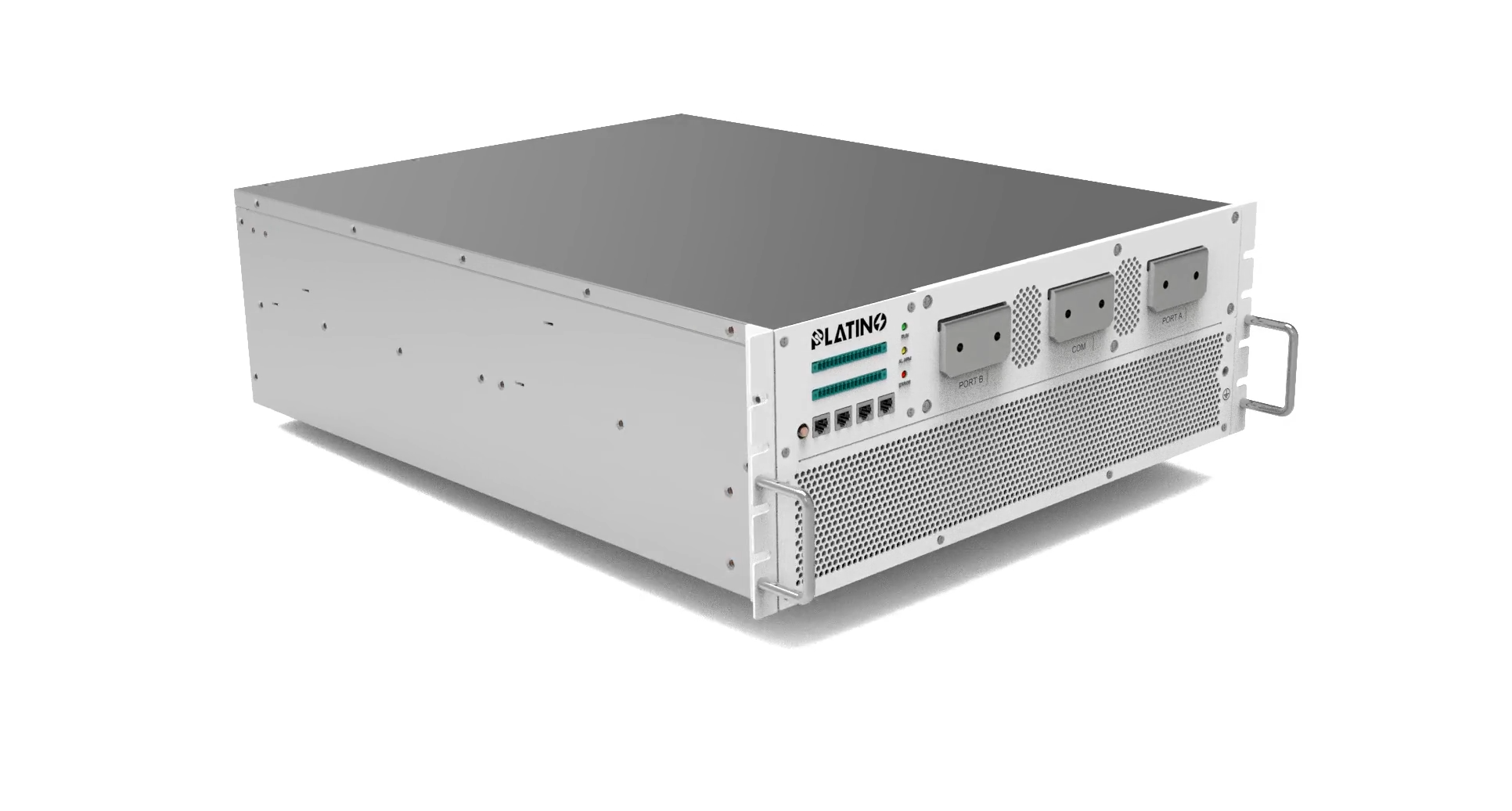
The power conversion system features comprehensive intelligent monitoring and control capabilities that provide unprecedented visibility into system performance and enable proactive maintenance strategies. This advanced monitoring system utilizes distributed sensor networks that continuously collect data on critical performance parameters including voltage, current, temperature, vibration, and power quality metrics. The intelligent control system processes this data using machine learning algorithms that identify patterns, predict potential issues, and optimize system performance in real-time. The monitoring capabilities extend to individual component level analysis, providing detailed insights into the health and performance of semiconductors, capacitors, inductors, and cooling systems. This granular monitoring enables early detection of component degradation, allowing maintenance teams to schedule replacements during planned outages rather than experiencing unexpected failures. The power conversion system includes intuitive user interfaces that present complex system data in easily understandable formats, enabling operators to make informed decisions quickly and efficiently. Remote monitoring capabilities allow expert technicians to assess system performance from any location, providing immediate support and reducing response times for maintenance activities. The intelligent control system automatically adjusts operating parameters to compensate for changing environmental conditions, load variations, and component aging, ensuring consistent performance throughout the system lifecycle. Advanced diagnostic features perform continuous self-testing routines that verify proper operation of protection systems, communication networks, and control algorithms. The monitoring system maintains comprehensive historical data logs that facilitate trend analysis, performance benchmarking, and regulatory compliance reporting. Customizable alarm and notification systems alert operators to potential issues before they impact system performance or safety. The intelligent capabilities include predictive maintenance algorithms that analyze component wear patterns, thermal cycling effects, and electrical stress factors to recommend optimal maintenance schedules. This proactive approach significantly reduces unplanned downtime, extends component life, and minimizes maintenance costs. The integration of artificial intelligence enables the power conversion system to continuously learn from operational experience, improving performance optimization and fault detection capabilities over time. These intelligent monitoring and control capabilities transform the power conversion system from a passive energy transformation device into an active, self-optimizing system that delivers superior reliability and performance.

 EN
EN