Bidirectional Buck Converter: Advanced Power Conversion Solutions for Efficient Energy Management

All Categories

Get a Free Quote

Our representative will contact you soon.
Email
Name
Company Name
Message
0/1000

bidirectional buck converter

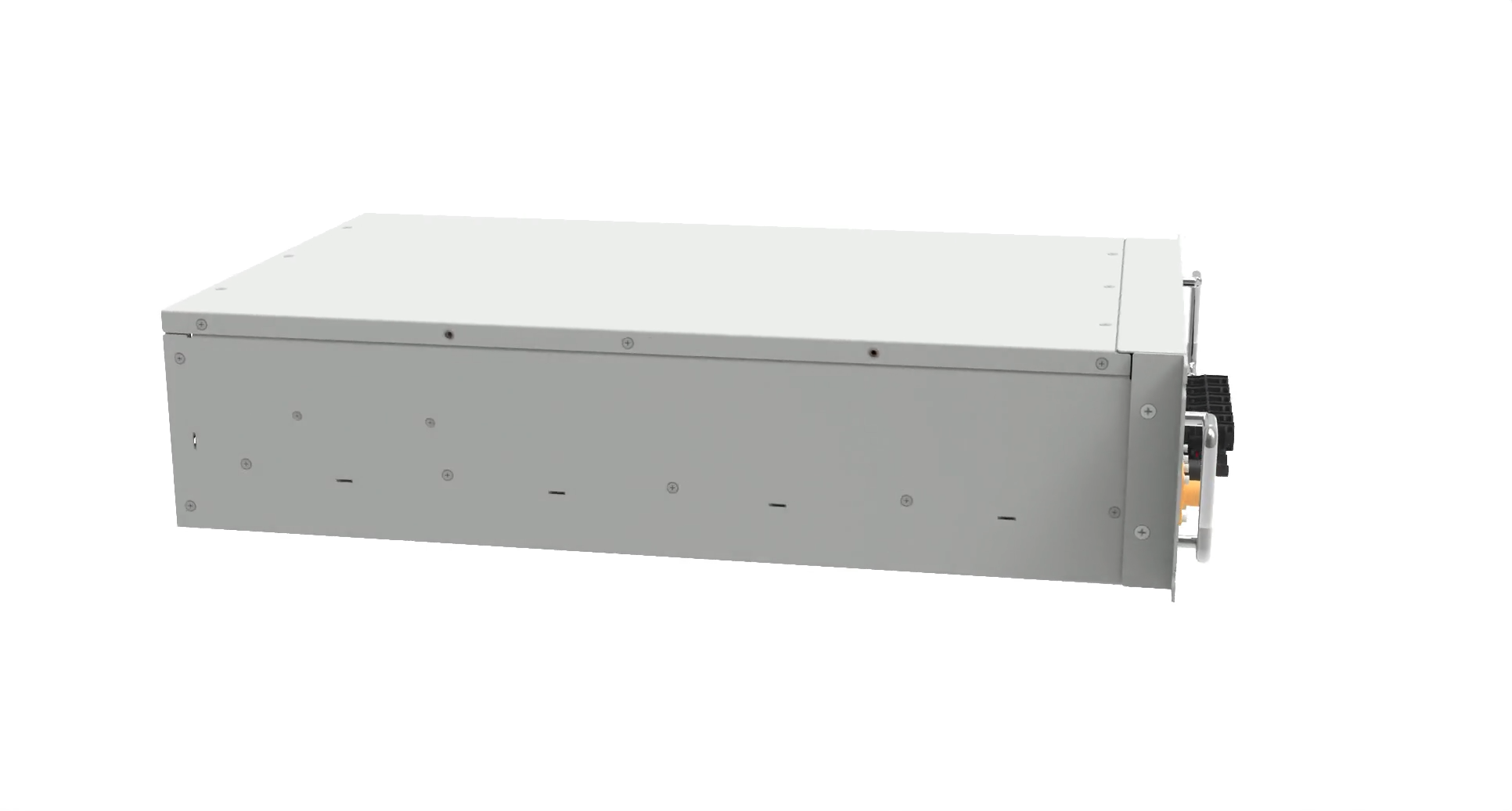
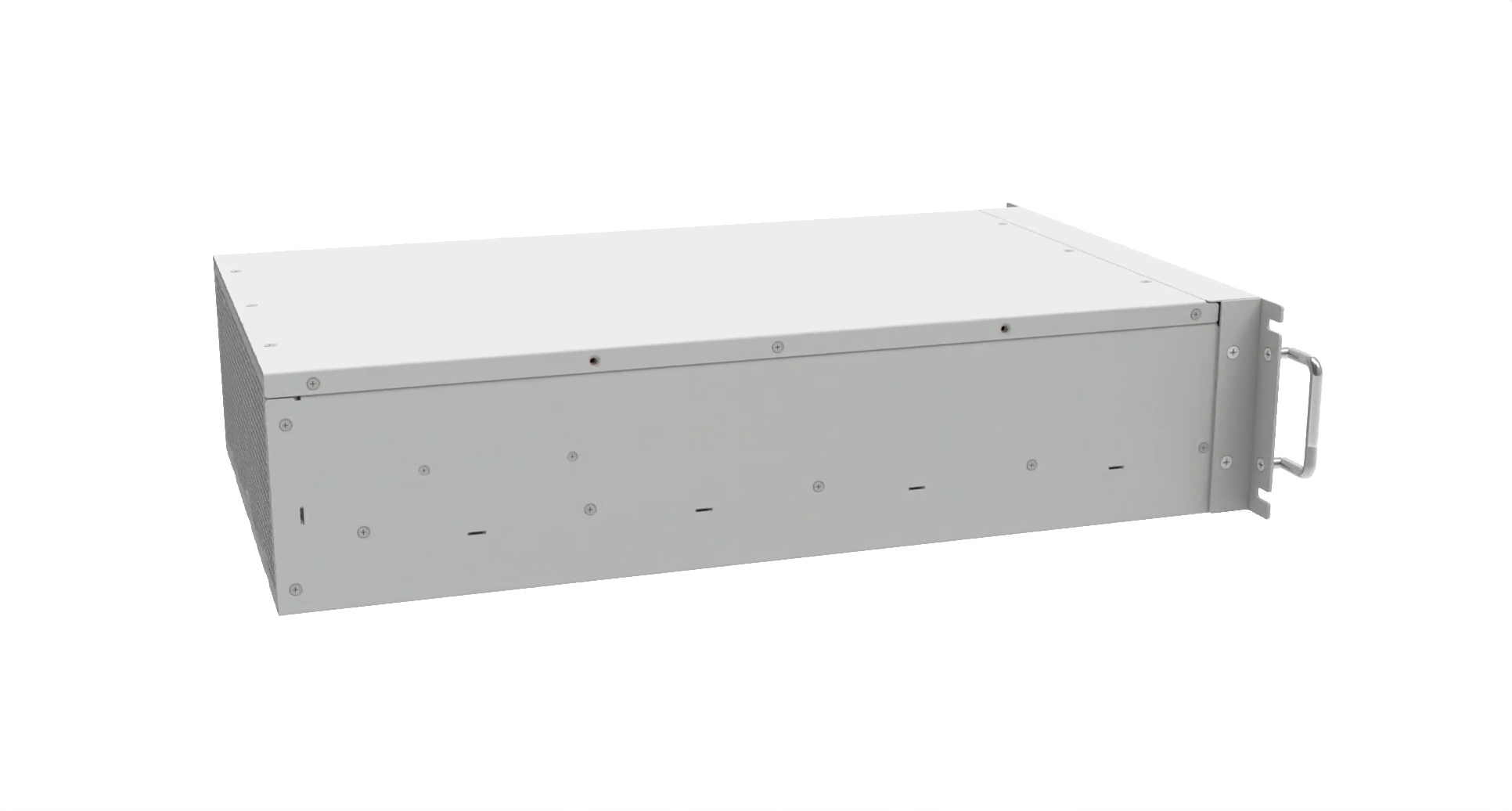
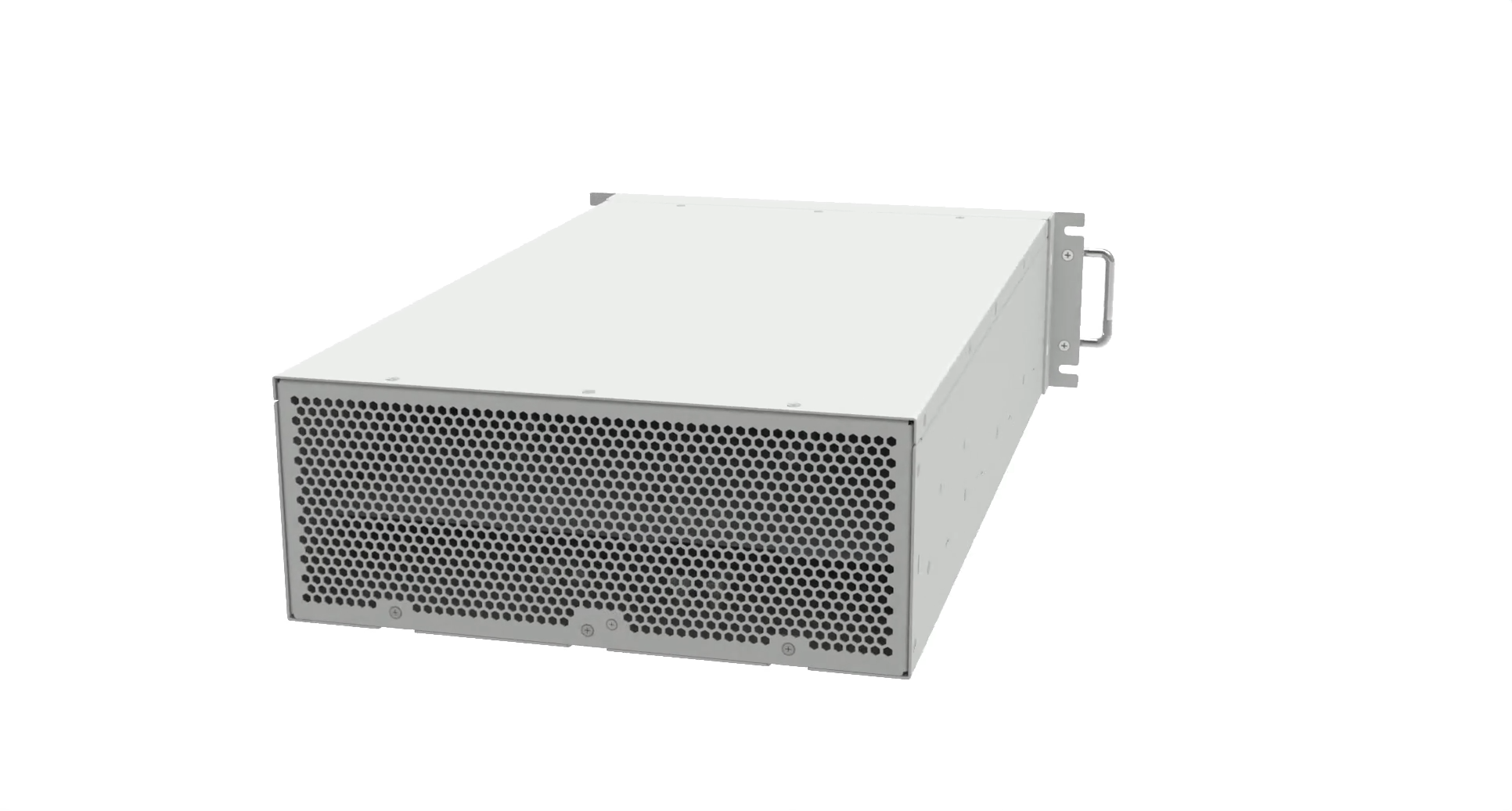
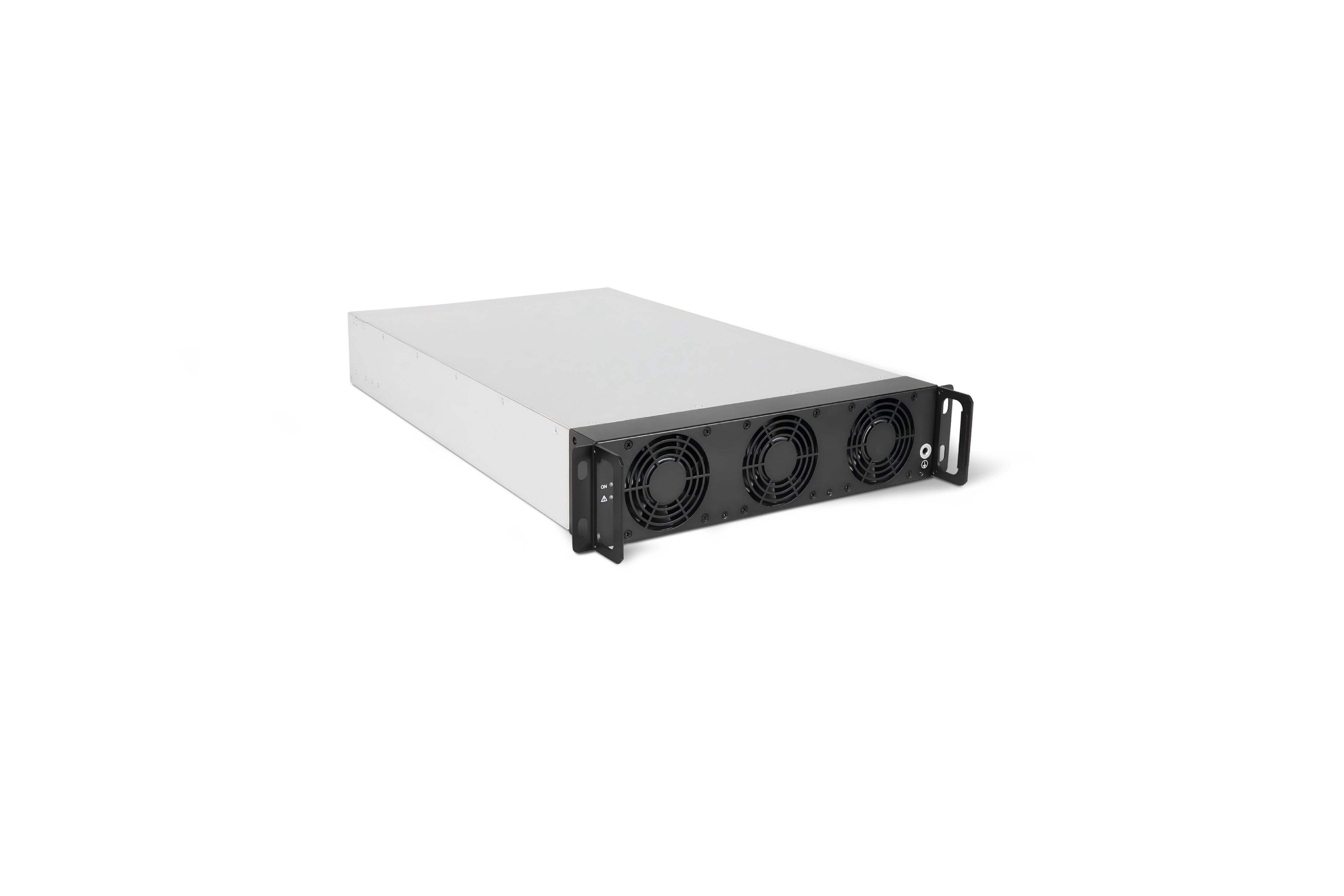
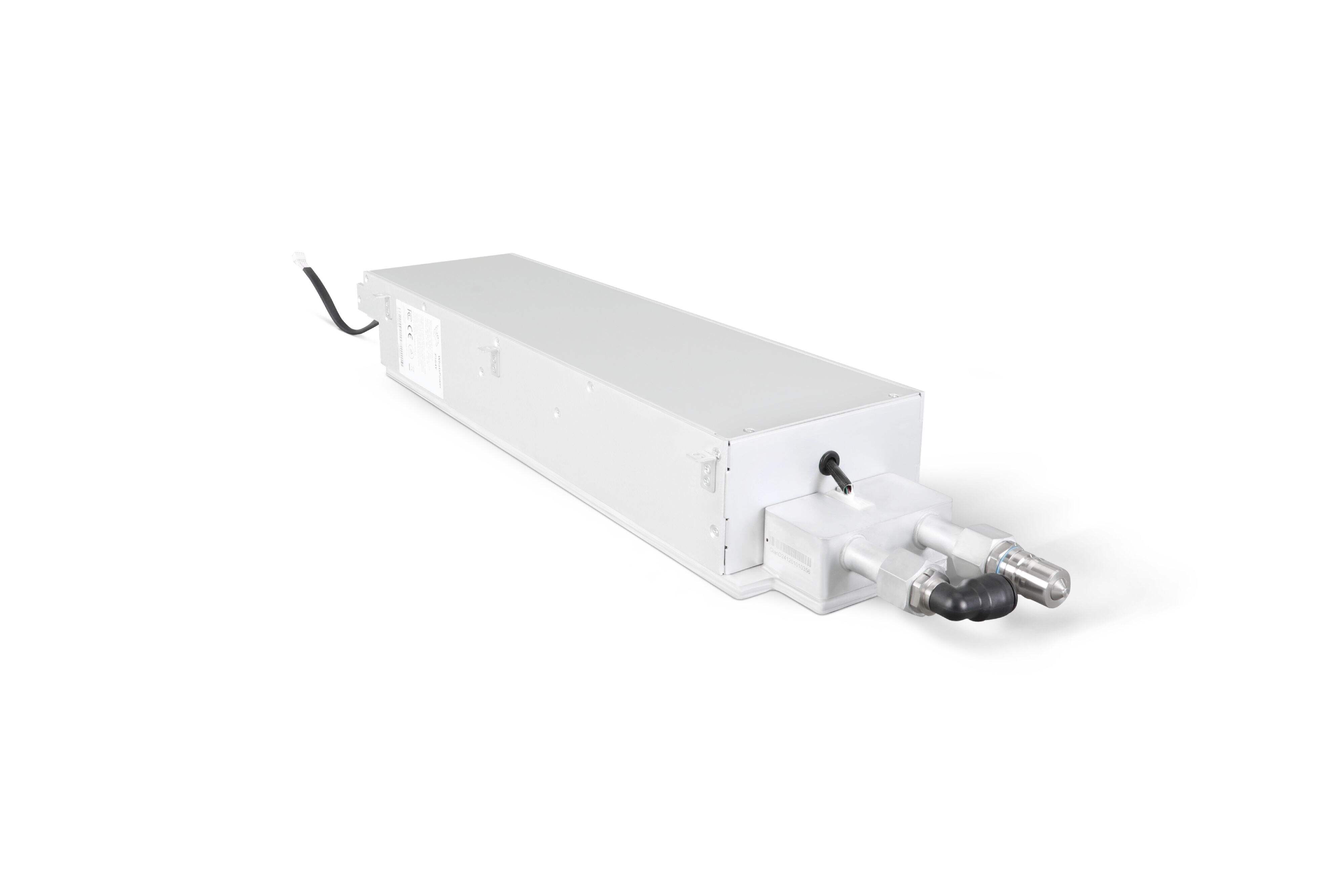
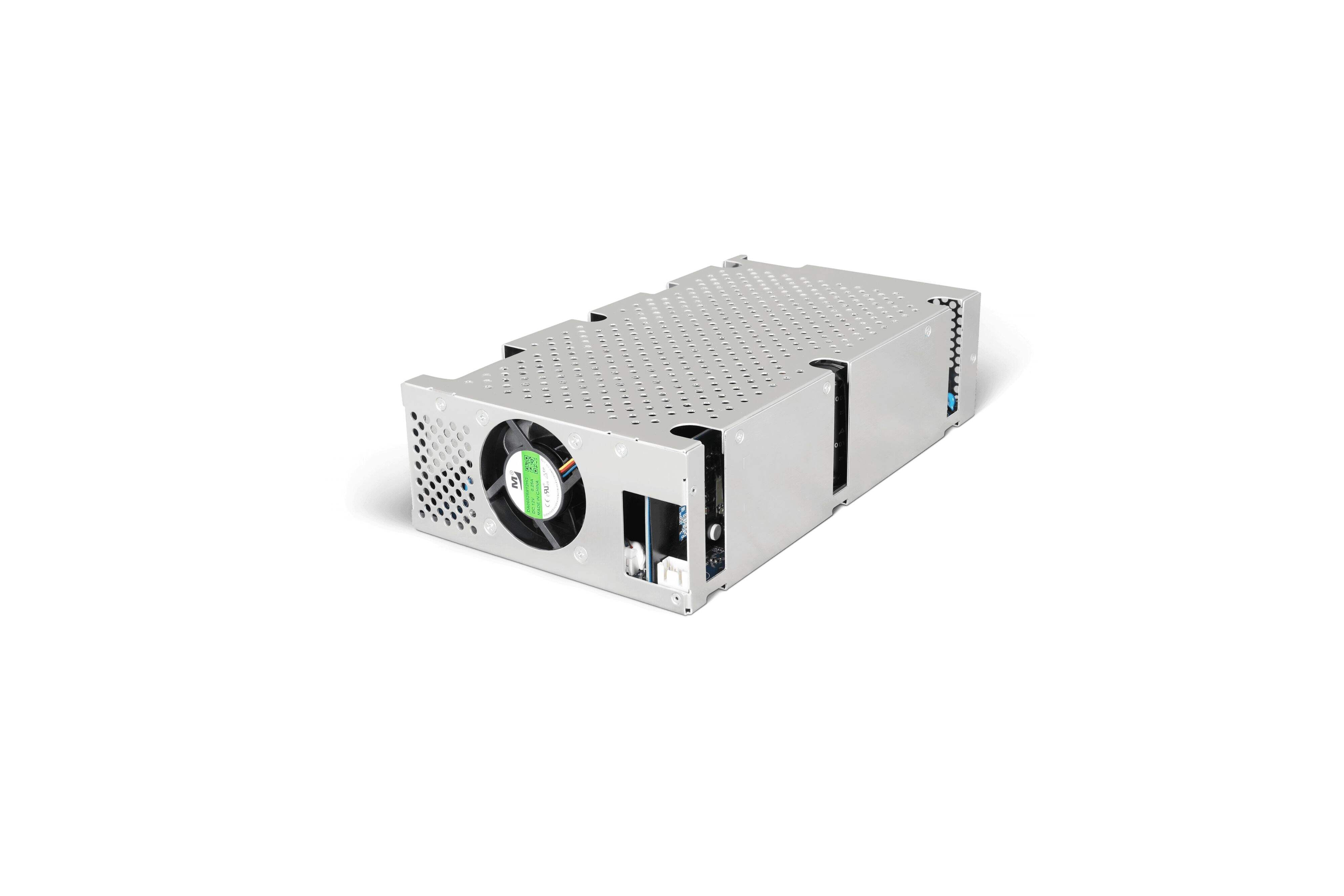
A bidirectional buck converter represents an advanced power electronic device that enables efficient voltage conversion and power flow management in both directions. This sophisticated switching circuit operates by stepping down input voltage to a lower output voltage while maintaining the capability to reverse power flow when required. The core functionality revolves around controlled switching operations using power semiconductors, inductors, and capacitors to achieve precise voltage regulation and energy transfer. The bidirectional buck converter incorporates intelligent control systems that monitor power flow direction and automatically adjust switching patterns to optimize performance. Its primary functions include voltage step-down conversion, energy storage management, and seamless power flow reversal. The technological foundation relies on pulse-width modulation techniques that control switching duty cycles to maintain stable output voltages across varying load conditions. Advanced feedback mechanisms ensure rapid response to load changes while maintaining high efficiency levels. The converter's ability to handle bidirectional power flow makes it particularly valuable in applications requiring energy recovery or storage integration. Modern implementations feature digital control architectures that provide enhanced precision and programmability compared to traditional analog systems. The device typically operates at high switching frequencies to minimize component sizes while maximizing power density. Thermal management systems ensure reliable operation under demanding conditions. Safety features include overcurrent protection, overvoltage protection, and thermal shutdown mechanisms. The modular design approach allows for scalable power ratings to meet diverse application requirements. Integration capabilities with communication protocols enable remote monitoring and control functions. The bidirectional buck converter serves critical roles in renewable energy systems, electric vehicle charging infrastructure, battery management systems, and uninterruptible power supplies. Its versatility extends to industrial automation, telecommunications equipment, and aerospace applications where reliable power conversion is essential.

New Product Releases

The bidirectional buck converter delivers exceptional efficiency levels that translate directly into reduced energy costs and lower environmental impact for users. This high efficiency stems from advanced switching technologies and optimized circuit designs that minimize power losses during conversion processes. Users benefit from significantly reduced electricity bills when deploying these systems in high-power applications. The converter's ability to maintain efficiency across wide load ranges ensures consistent performance regardless of operating conditions. Flexibility represents another major advantage, as the bidirectional buck converter adapts to various power flow scenarios without requiring additional equipment. This adaptability eliminates the need for separate charging and discharging circuits in battery applications, reducing system complexity and installation costs. The compact design footprint allows for space-efficient installations in constrained environments. Users appreciate the reduced cabinet space requirements and simplified wiring configurations. Reliability improvements come from fewer components and reduced system complexity compared to traditional unidirectional solutions. The bidirectional buck converter incorporates robust protection features that safeguard connected equipment and extend operational lifespans. Users experience fewer maintenance requirements and reduced downtime due to improved fault tolerance. Cost-effectiveness emerges through multiple factors including reduced component count, simplified installation procedures, and lower maintenance expenses. The converter's modular architecture enables users to scale power ratings according to specific needs without replacing entire systems. Energy recovery capabilities provide additional cost savings by capturing and reusing energy that would otherwise be wasted. This feature particularly benefits applications involving frequent start-stop cycles or regenerative braking systems. The bidirectional buck converter supports various control interfaces, making integration with existing systems straightforward and reducing implementation complexities. Users can leverage existing control infrastructure without extensive modifications. Fast response times ensure stable operation during rapid load changes, protecting sensitive equipment and maintaining process continuity. The converter's ability to handle transient conditions effectively reduces the risk of equipment damage and production interruptions. Environmental benefits include reduced heat generation, lower electromagnetic interference, and compliance with stringent efficiency standards. These characteristics help users meet sustainability goals while maintaining operational excellence.

Tips And Tricks

A Power Station That Doesn’t Generate Electricity — Yet Moves 120 Million kWh a Year

18

Dec

A Power Station That Doesn’t Generate Electricity — Yet Moves 120 Million kWh a Year

View More
BOCO Electronics Brings Hengyang Intelligent Manufacturing Base Online, Expanding Annual Production Beyond One Million Units

18

Dec

BOCO Electronics Brings Hengyang Intelligent Manufacturing Base Online, Expanding Annual Production Beyond One Million Units

View More
BOCO Electronics Demonstrates System-Level Power Conversion Innovation at SNEC 2025

18

Dec

BOCO Electronics Demonstrates System-Level Power Conversion Innovation at SNEC 2025

View More

Get a Free Quote

Our representative will contact you soon.
Email
Name
Company Name
Message
0/1000

bidirectional buck converter

Advanced Energy Recovery and Storage Integration

Advanced Energy Recovery and Storage Integration

The bidirectional buck converter excels in energy recovery applications, providing users with unprecedented opportunities to capture and reuse energy that traditional systems waste. This capability transforms how businesses approach energy management by enabling them to recover kinetic energy during braking operations, store excess renewable energy during peak production periods, and redistribute power when needed most. The converter's sophisticated control algorithms automatically detect energy flow direction and seamlessly transition between charging and discharging modes without interrupting system operations. This seamless operation eliminates the need for complex switching mechanisms or multiple converter systems, significantly reducing installation costs and maintenance requirements. In electric vehicle applications, the bidirectional buck converter captures regenerative braking energy and feeds it back into battery systems, extending vehicle range and reducing charging frequency. Industrial applications benefit from energy recovery during motor deceleration phases, where the converter transforms mechanical energy back into usable electrical power. Solar and wind installations utilize the converter's bidirectional capabilities to manage energy storage systems effectively, storing excess power during favorable conditions and releasing it during peak demand periods. The converter's intelligent energy management features include programmable charging profiles, state-of-charge monitoring, and predictive load balancing algorithms. These capabilities enable users to optimize energy utilization patterns according to their specific operational requirements and cost structures. Battery life extension represents another significant benefit, as the converter's precise charging control prevents overcharging and deep discharge conditions that typically degrade battery performance. The system monitors battery parameters continuously and adjusts charging rates to maintain optimal battery health while maximizing storage capacity utilization. Grid-tied applications leverage the converter's ability to provide grid services such as frequency regulation and peak shaving, creating additional revenue streams for users while contributing to grid stability.
Superior Efficiency and Thermal Management

Superior Efficiency and Thermal Management

The bidirectional buck converter achieves remarkable efficiency levels exceeding 95 percent across diverse operating conditions, delivering substantial energy savings and reduced operational costs for users. This exceptional efficiency results from advanced semiconductor technologies, optimized magnetic designs, and intelligent switching strategies that minimize power losses throughout the conversion process. The converter employs synchronous rectification techniques that eliminate voltage drops associated with traditional diode-based circuits, significantly improving overall system efficiency. Variable switching frequency control adapts to load conditions automatically, maintaining peak efficiency across the entire operating range while reducing electromagnetic interference. Users benefit from lower electricity bills, reduced cooling requirements, and extended equipment lifespans due to minimized thermal stress. The converter's sophisticated thermal management system incorporates intelligent fan control, heat sink optimization, and thermal monitoring to maintain safe operating temperatures even under demanding conditions. Advanced thermal modeling ensures optimal component placement and airflow patterns that maximize heat dissipation while minimizing noise levels. Temperature-sensitive protection circuits prevent overheating damage and maintain reliable operation during extreme ambient conditions. The converter's high efficiency translates directly into reduced carbon footprint and environmental impact, helping users meet sustainability targets and regulatory compliance requirements. Energy density improvements allow for more compact installations while maintaining full power ratings, reducing facility space requirements and installation costs. The system's low heat generation characteristics enable deployment in temperature-sensitive environments where traditional converters would require extensive cooling infrastructure. Predictive thermal management algorithms monitor component temperatures and adjust operating parameters proactively to prevent thermal-related failures. This intelligent approach extends component lifespans and reduces unexpected downtime costs. The converter's ability to maintain efficiency during partial load conditions makes it ideal for applications with variable power demands, ensuring optimal performance regardless of operating scenarios.
Intelligent Control and System Integration Capabilities

Intelligent Control and System Integration Capabilities

The bidirectional buck converter incorporates state-of-the-art digital control systems that provide unparalleled precision, flexibility, and integration capabilities for modern power management applications. Advanced microprocessor-based control architectures enable real-time parameter adjustments, comprehensive system monitoring, and seamless communication with external control systems. Users benefit from programmable control algorithms that adapt to specific application requirements without hardware modifications, reducing implementation time and costs. The converter supports multiple communication protocols including CAN bus, Modbus, and Ethernet, enabling integration with building management systems, SCADA networks, and IoT platforms. Comprehensive diagnostic capabilities provide detailed system status information, performance metrics, and predictive maintenance alerts that help users optimize operational efficiency and prevent costly failures. The intelligent control system continuously monitors input and output parameters, automatically adjusting switching patterns to maintain optimal performance under varying load conditions. Advanced fault detection algorithms identify potential issues before they impact system operation, triggering protective actions and generating detailed fault reports for rapid troubleshooting. Users can access real-time system data through web-based interfaces, mobile applications, or integrated control panels, enabling remote monitoring and control from any location. Programmable protection settings allow users to customize safety parameters according to their specific application requirements and safety standards. The converter's ability to learn and adapt to load patterns improves system efficiency over time through machine learning algorithms that optimize switching strategies based on historical operating data. Multi-converter coordination capabilities enable parallel operation for increased power ratings or redundancy requirements, with automatic load sharing and fault tolerance features. The system provides comprehensive data logging and reporting functions that support energy audits, regulatory compliance, and performance optimization initiatives. Integration with renewable energy management systems enables sophisticated energy arbitrage strategies that maximize economic benefits from variable energy pricing structures.


Get a Free Quote

Our representative will contact you soon.
Email
Name
Company Name
Message
0/1000