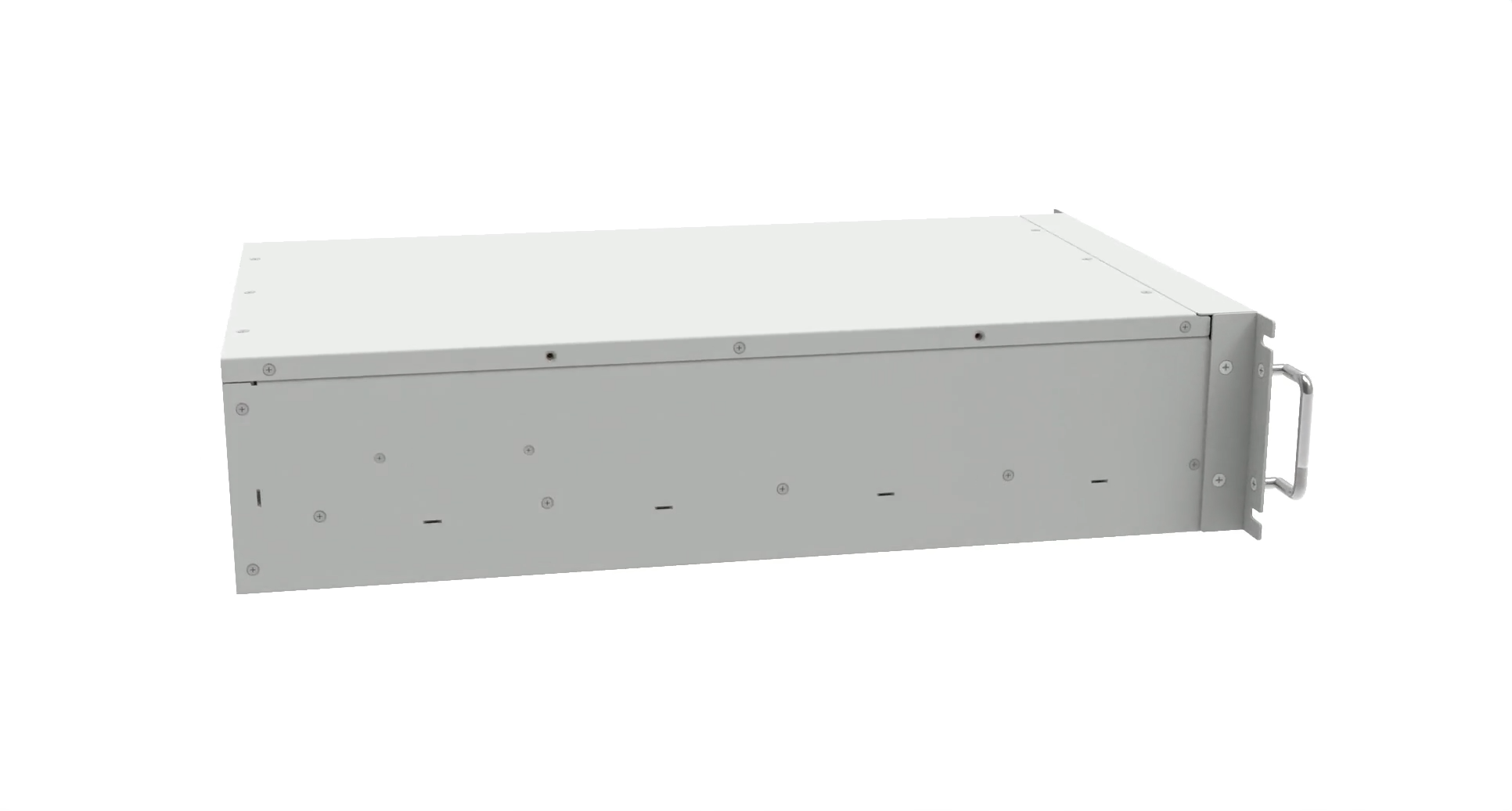
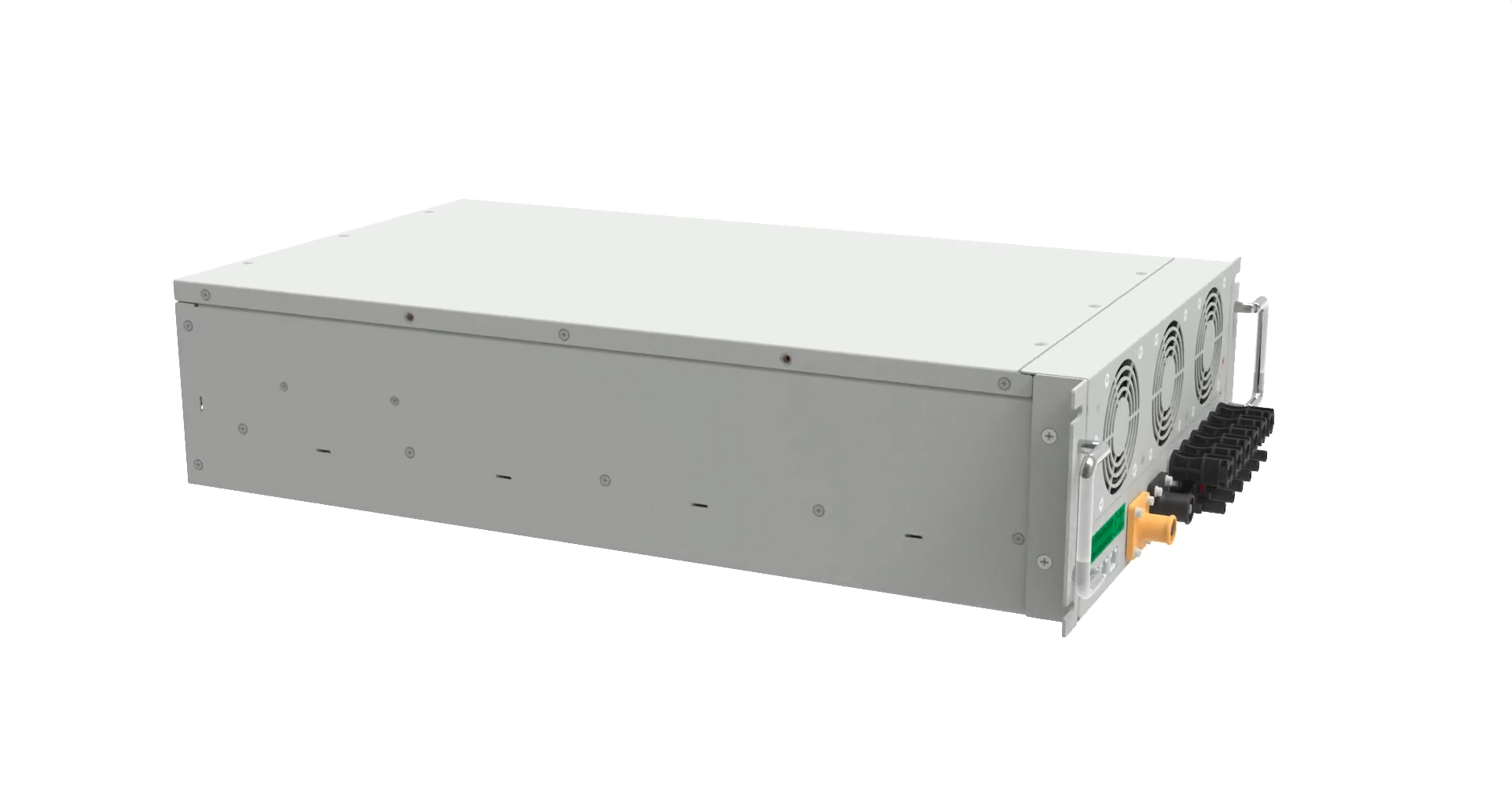
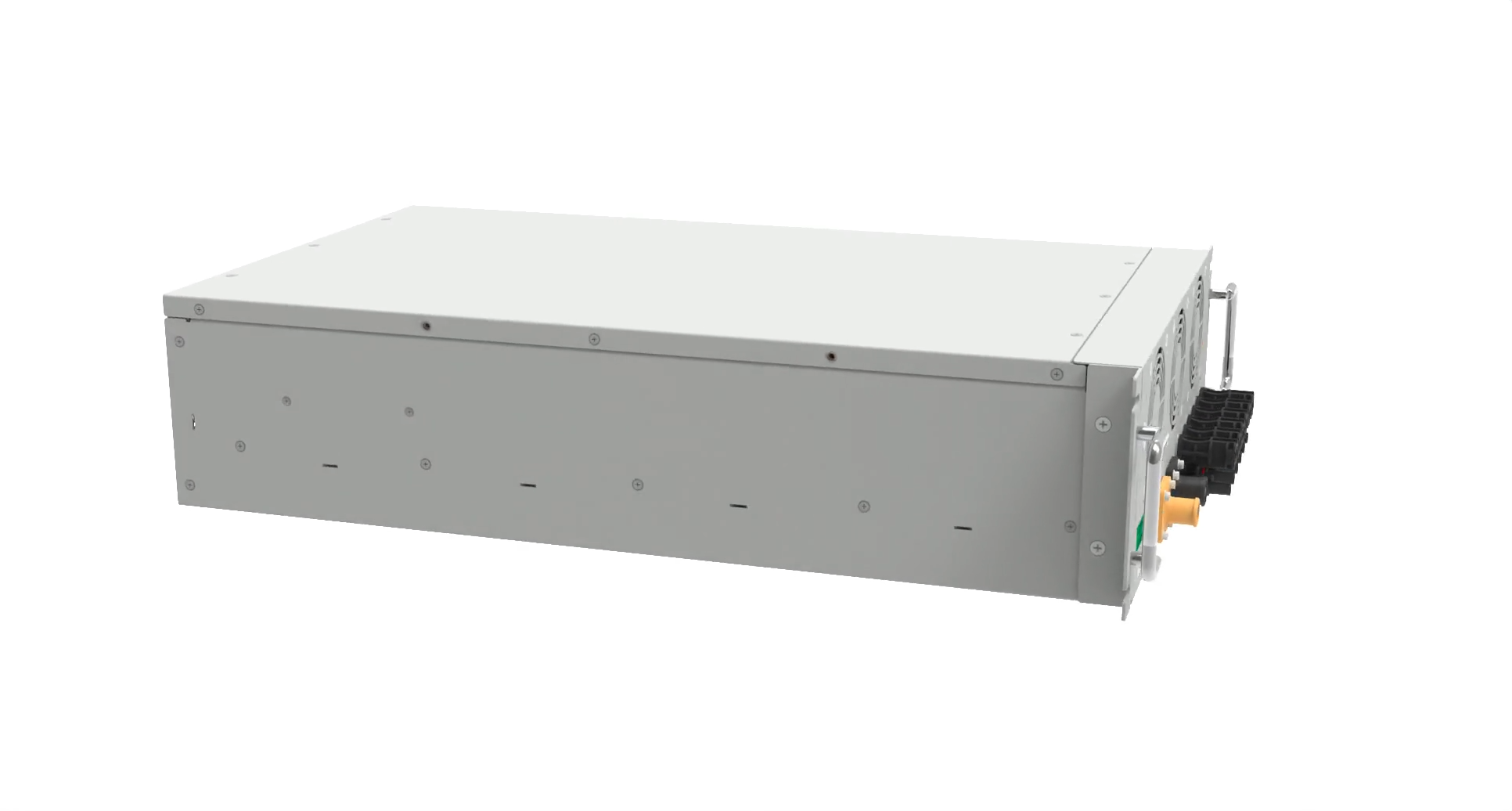
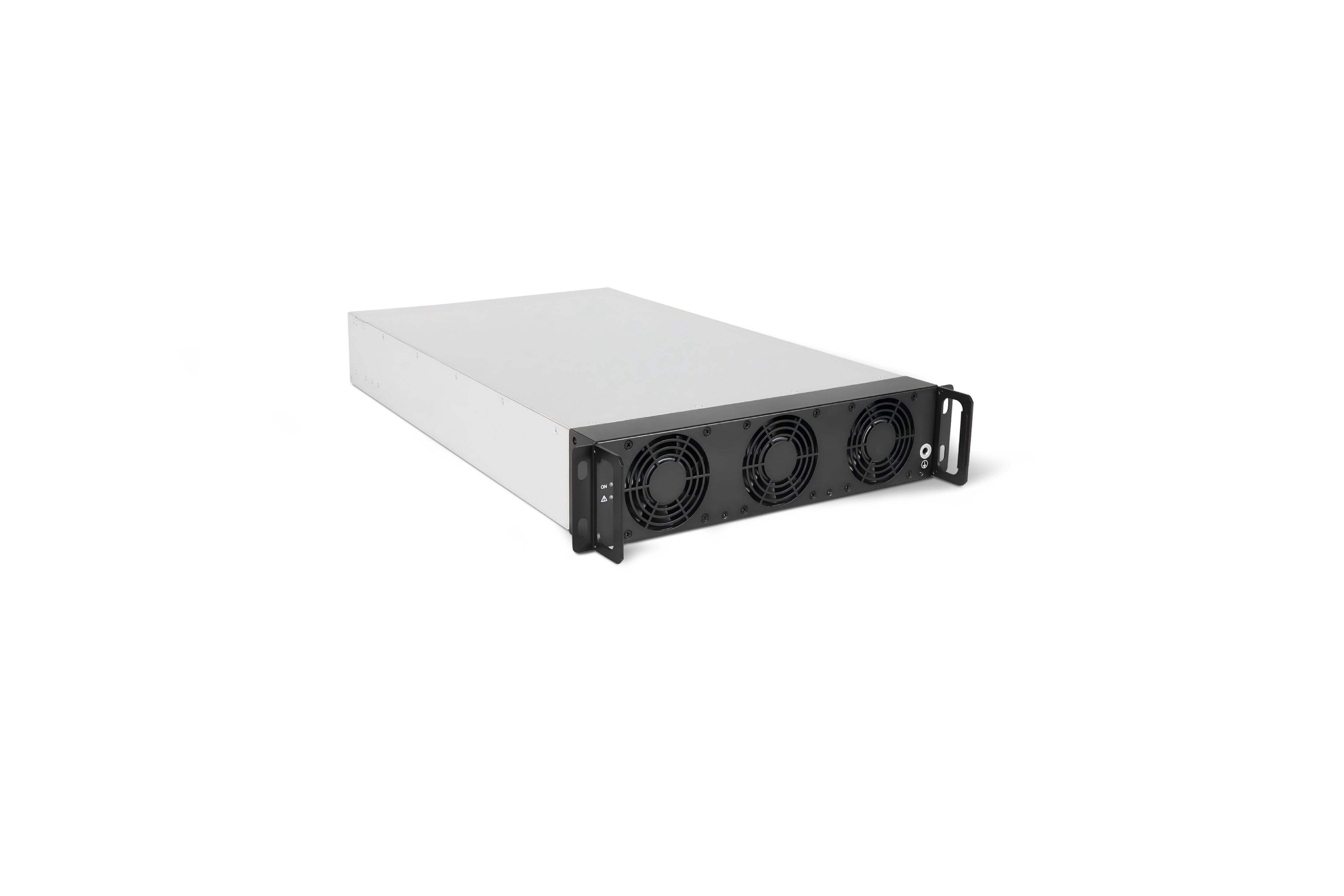
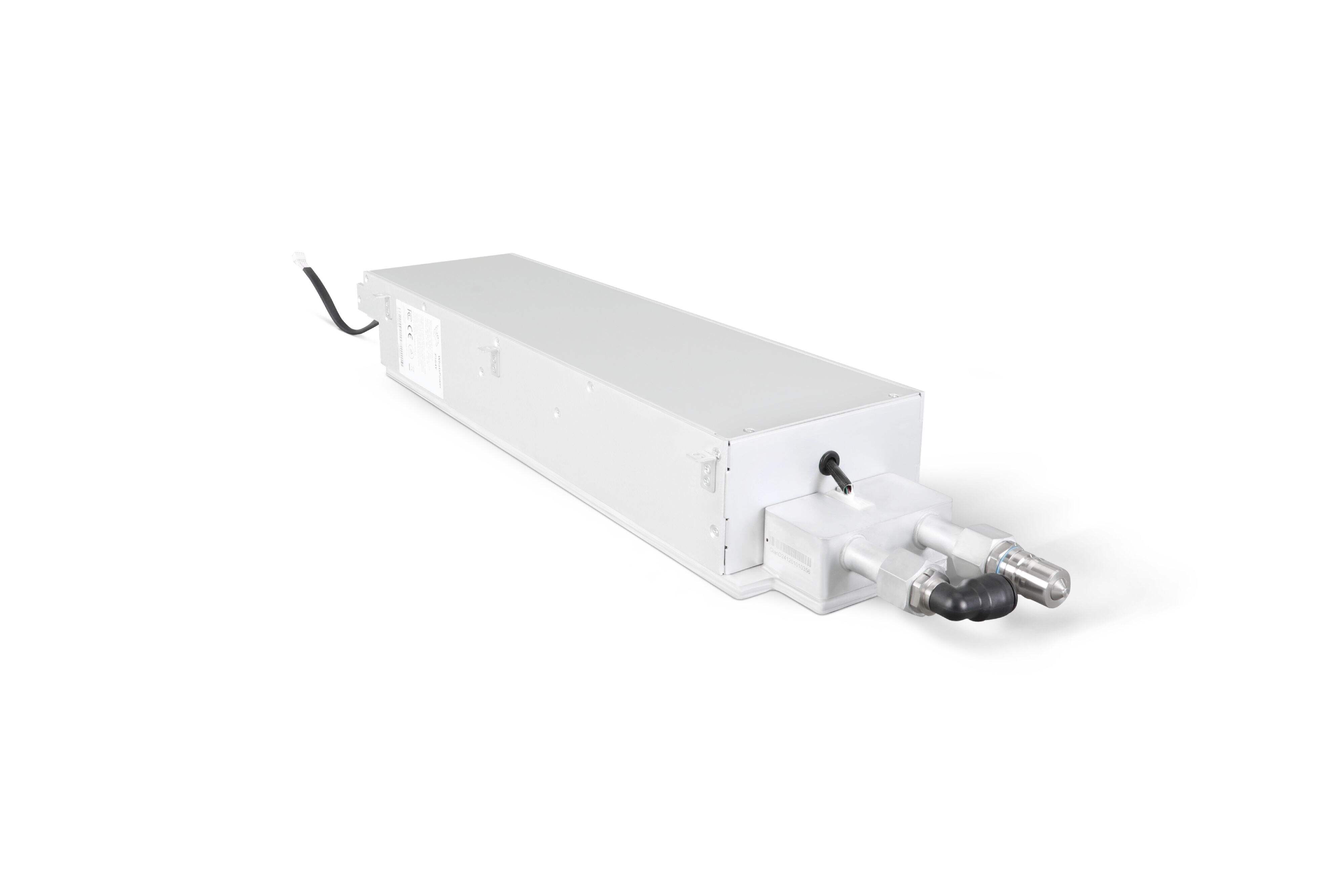
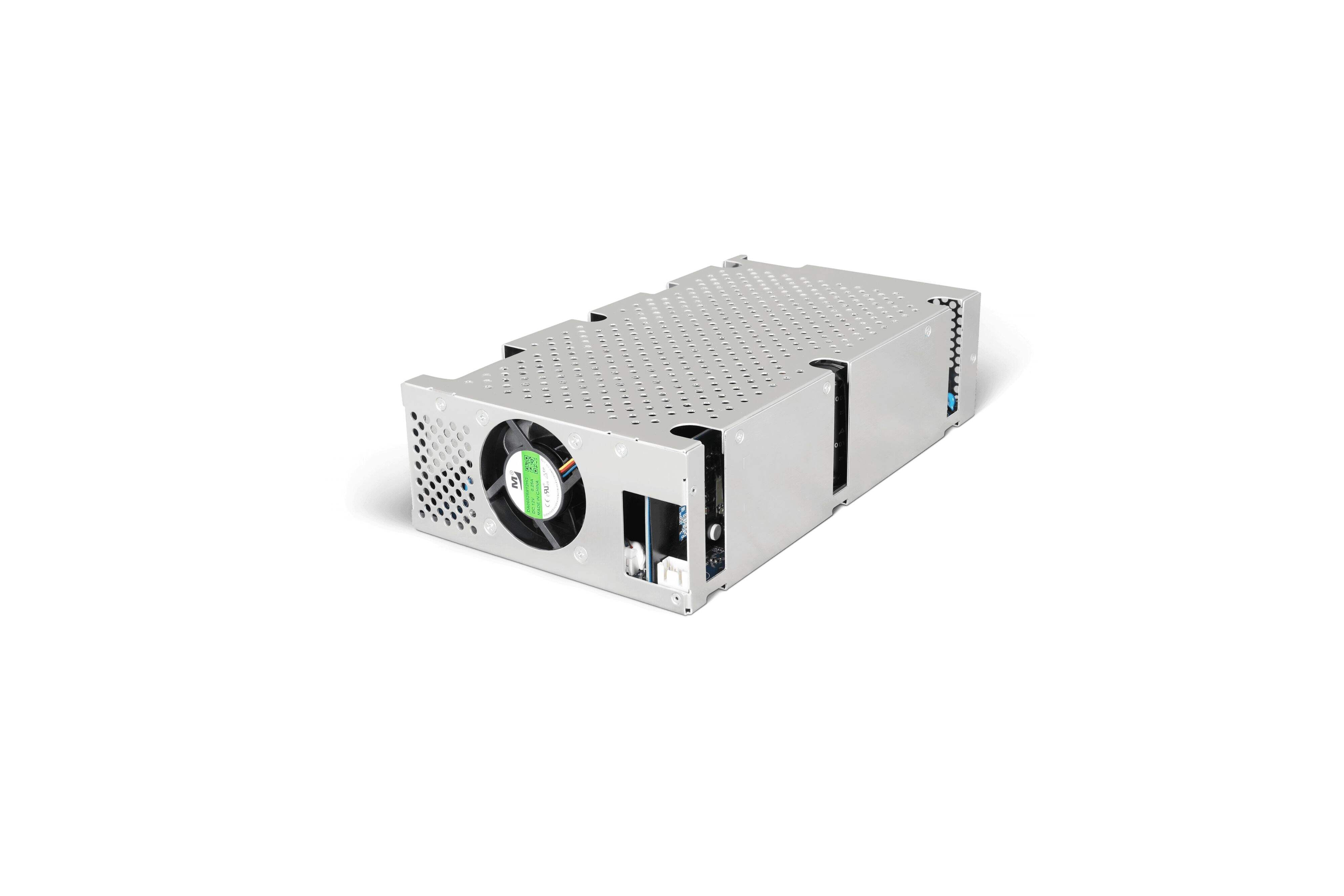
half bridge bidirectional dc dc converter
The half bridge bidirectional dc dc converter stands as a crucial power electronics component that enables efficient energy transfer in both directions between two DC voltage levels. This sophisticated device operates through a half-bridge topology configuration, utilizing two power switches and associated control circuitry to manage bidirectional power flow with remarkable precision. The converter's primary function centers on providing seamless voltage conversion while maintaining high efficiency standards across various operating conditions. The half bridge bidirectional dc dc converter incorporates advanced switching techniques that allow it to step up or step down voltage levels depending on system requirements. This flexibility makes it indispensable in applications where energy storage systems interact with main power grids or where regenerative braking systems require efficient energy recovery. The technological foundation of this converter relies on pulse width modulation control strategies that optimize switching sequences to minimize losses and electromagnetic interference. Modern implementations of the half bridge bidirectional dc dc converter feature sophisticated control algorithms that monitor system parameters in real-time, adjusting switching patterns to maintain optimal performance across varying load conditions. The converter's design incorporates high-frequency transformers when galvanic isolation is required, enhancing safety and system reliability. Key applications span across electric vehicles, renewable energy systems, uninterruptible power supplies, and energy storage integration projects. In electric vehicle applications, the half bridge bidirectional dc dc converter facilitates efficient battery charging and discharging cycles while enabling regenerative braking functionality. Renewable energy systems utilize these converters to manage power flow between solar panels, battery banks, and grid connections. The converter's ability to handle bidirectional power flow makes it essential for smart grid implementations where energy can flow in multiple directions based on demand and supply conditions. Industrial automation systems also benefit from the precise control and high efficiency characteristics of the half bridge bidirectional dc dc converter.

 EN
EN