Applications of Bidirectional DC DC Converter: Complete Guide to Power Management Solutions

All Categories

Get a Free Quote

Our representative will contact you soon.
Email
Name
Company Name
Message
0/1000

applications of bidirectional dc dc converter

Bidirectional DC-DC converters represent a revolutionary advancement in power electronics, offering the unique capability to transfer electrical energy in both directions between two DC voltage levels. These sophisticated power conversion systems serve as the backbone for modern energy management solutions, enabling seamless power flow control in diverse applications ranging from renewable energy systems to electric vehicles and energy storage installations. The core functionality of these converters lies in their ability to step up or step down voltage levels while simultaneously managing power flow direction based on system requirements and control algorithms. The technological features of bidirectional DC-DC converters include advanced switching topologies, intelligent control systems, and high-efficiency power semiconductor devices that work together to achieve optimal performance. These converters typically employ isolated or non-isolated architectures depending on safety requirements and application specifications. The isolated versions utilize transformers to provide galvanic isolation between input and output, while non-isolated designs focus on maximizing efficiency and minimizing component count. Modern implementations incorporate sophisticated control strategies such as dual active bridge control, phase-shift modulation, and current-mode control to achieve precise regulation and smooth bidirectional operation. The applications of bidirectional dc dc converter span across multiple industries and sectors. In electric vehicle charging infrastructure, these converters enable vehicle-to-grid functionality, allowing electric cars to supply power back to the electrical grid during peak demand periods. Renewable energy systems benefit from bidirectional converters by facilitating energy storage integration, enabling excess solar or wind power to be stored in batteries and retrieved when needed. Uninterruptible power supply systems utilize these converters to seamlessly switch between grid power and battery backup, ensuring continuous operation of critical loads. Industrial applications include motor drives, where regenerative braking energy can be recovered and fed back to the system, improving overall energy efficiency and reducing operational costs.

New Products

The applications of bidirectional dc dc converter provide numerous compelling advantages that directly benefit end users through enhanced system performance, reduced operational costs, and improved energy efficiency. These converters deliver exceptional energy efficiency ratings typically exceeding 95 percent, which translates to significant cost savings on electricity bills and reduced heat generation in power systems. This high efficiency stems from advanced switching techniques and optimized circuit topologies that minimize power losses during conversion processes. Users experience immediate financial benefits through lower energy consumption and reduced cooling requirements for their systems. The bidirectional power flow capability enables energy recovery and regeneration, allowing systems to capture and reuse energy that would otherwise be wasted. In electric vehicle applications, this feature extends driving range and reduces charging frequency, providing tangible convenience and cost benefits to vehicle owners. The versatility of these converters allows single devices to replace multiple unidirectional converters, reducing system complexity, installation space, and maintenance requirements. This consolidation approach simplifies system design while lowering overall equipment costs and improving reliability through fewer interconnections and components. Real-time power flow control provides users with precise management over their energy systems, enabling optimization of power usage patterns and integration with smart grid technologies. This capability allows for dynamic load balancing, peak shaving, and demand response participation, which can result in significant utility cost reductions. The robust design of bidirectional converters ensures reliable operation under varying load conditions and environmental factors, reducing system downtime and maintenance expenses. Users benefit from extended equipment lifespan and consistent performance even in challenging operating environments. The scalable nature of these converters accommodates system expansion and modification without major infrastructure changes, protecting investment value and providing future flexibility. Enhanced safety features including overcurrent protection, overvoltage protection, and thermal management systems ensure user safety while preventing equipment damage from fault conditions. The integration capabilities with modern monitoring and control systems provide users with comprehensive system visibility and remote management options, enabling proactive maintenance and optimized operation scheduling.

Tips And Tricks

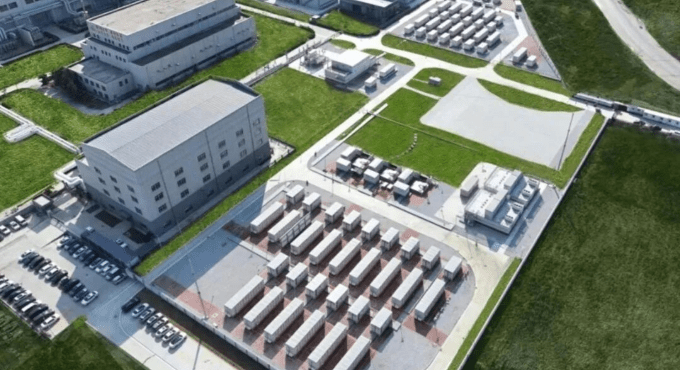
A Power Station That Doesn’t Generate Electricity — Yet Moves 120 Million kWh a Year

18

Dec

A Power Station That Doesn’t Generate Electricity — Yet Moves 120 Million kWh a Year

View More
BOCO Electronics Brings Hengyang Intelligent Manufacturing Base Online, Expanding Annual Production Beyond One Million Units

18

Dec

BOCO Electronics Brings Hengyang Intelligent Manufacturing Base Online, Expanding Annual Production Beyond One Million Units

View More
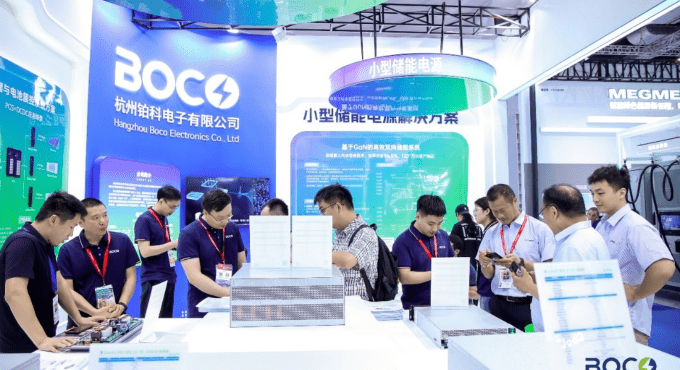
BOCO Electronics Demonstrates System-Level Power Conversion Innovation at SNEC 2025

18

Dec

BOCO Electronics Demonstrates System-Level Power Conversion Innovation at SNEC 2025

View More

Get a Free Quote

Our representative will contact you soon.
Email
Name
Company Name
Message
0/1000

applications of bidirectional dc dc converter

Energy Recovery and Regenerative Capabilities

Energy Recovery and Regenerative Capabilities

The energy recovery and regenerative capabilities of bidirectional DC-DC converters represent one of their most valuable features, fundamentally transforming how energy systems operate and providing substantial economic and environmental benefits. This advanced functionality allows the converters to capture energy that would typically be lost during system operation and redirect it back to the power source or energy storage system for later use. In industrial motor drive applications, when motors decelerate or operate in braking mode, the kinetic energy is converted back to electrical energy through regenerative braking. Traditional systems would dissipate this energy as heat through braking resistors, essentially wasting valuable energy and generating unwanted heat that requires additional cooling. However, applications of bidirectional dc dc converter enable this regenerative energy to be efficiently converted and fed back to the DC bus or battery system, improving overall system efficiency by 15-30 percent in typical industrial applications. Electric vehicle charging systems benefit tremendously from this regenerative capability through vehicle-to-grid technology. When electric vehicles are connected to bidirectional charging stations, they can supply stored energy back to the electrical grid during peak demand periods, effectively turning parked vehicles into distributed energy storage resources. This functionality provides vehicle owners with additional revenue streams while supporting grid stability and reducing the need for expensive peaking power plants. The economic impact is significant, with studies showing that vehicle owners can earn hundreds of dollars annually by participating in grid services programs. Renewable energy systems with battery storage showcase another critical application where energy recovery capabilities prove invaluable. During periods of excess renewable generation, bidirectional converters efficiently store surplus energy in battery systems. When renewable sources are unavailable or insufficient, the stored energy is seamlessly converted back to usable power, ensuring continuous energy supply and maximizing the utilization of clean energy resources. This capability reduces dependence on fossil fuel backup generators and improves the economic viability of renewable energy installations by increasing their capacity factor and energy yield.
Intelligent Power Flow Management and Control

Intelligent Power Flow Management and Control

Intelligent power flow management and control capabilities distinguish advanced bidirectional DC-DC converters as sophisticated energy management solutions that provide unprecedented control over electrical power distribution and utilization. These systems incorporate advanced microprocessor-based control units that continuously monitor system parameters including voltage levels, current flow, temperature, and load conditions to make real-time decisions about power flow direction and magnitude. The intelligent control algorithms optimize energy transfer efficiency while maintaining stable operation across varying load conditions and input power fluctuations. This dynamic control capability enables applications of bidirectional dc dc converter to respond instantaneously to changing system requirements, automatically adjusting power flow direction and conversion ratios to maintain optimal performance. The practical benefits of this intelligent control extend far beyond basic power conversion, providing users with comprehensive energy management capabilities that reduce operational costs and improve system reliability. Smart grid integration represents a prime example of how intelligent power flow management creates value for users. The converters can communicate with utility companies and grid operators to participate in demand response programs, automatically adjusting power consumption or contribution based on grid conditions and pricing signals. This capability allows facilities to reduce energy costs during peak pricing periods while potentially earning revenue by providing grid support services such as frequency regulation and voltage support. Industrial facilities benefit from the predictive control features that anticipate load changes and pre-adjust system parameters to maintain stable operation. This proactive approach prevents power quality issues and reduces equipment stress, extending the operational life of connected equipment and reducing maintenance costs. The converters can also implement sophisticated energy scheduling algorithms that optimize the timing of energy storage and discharge cycles based on time-of-use electricity rates, weather forecasts for renewable systems, and predicted load patterns. Remote monitoring and control capabilities enable facility managers to oversee multiple converter installations from centralized locations, reducing the need for on-site personnel and enabling rapid response to system events. The data logging and analysis features provide valuable insights into energy usage patterns, system efficiency trends, and potential optimization opportunities, supporting continuous improvement initiatives and informed decision-making regarding energy management strategies.
Compact Design and System Integration Benefits

Compact Design and System Integration Benefits

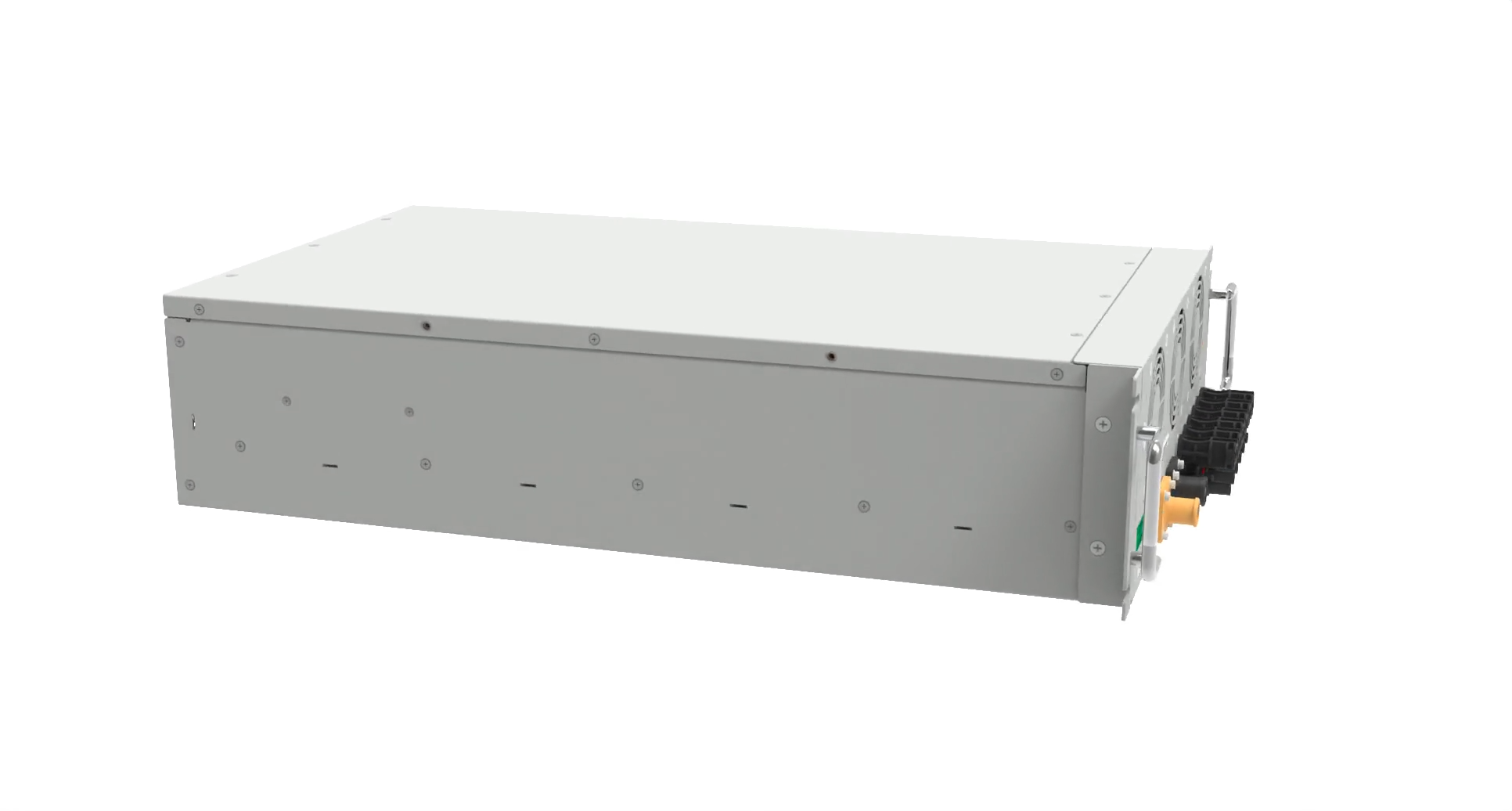
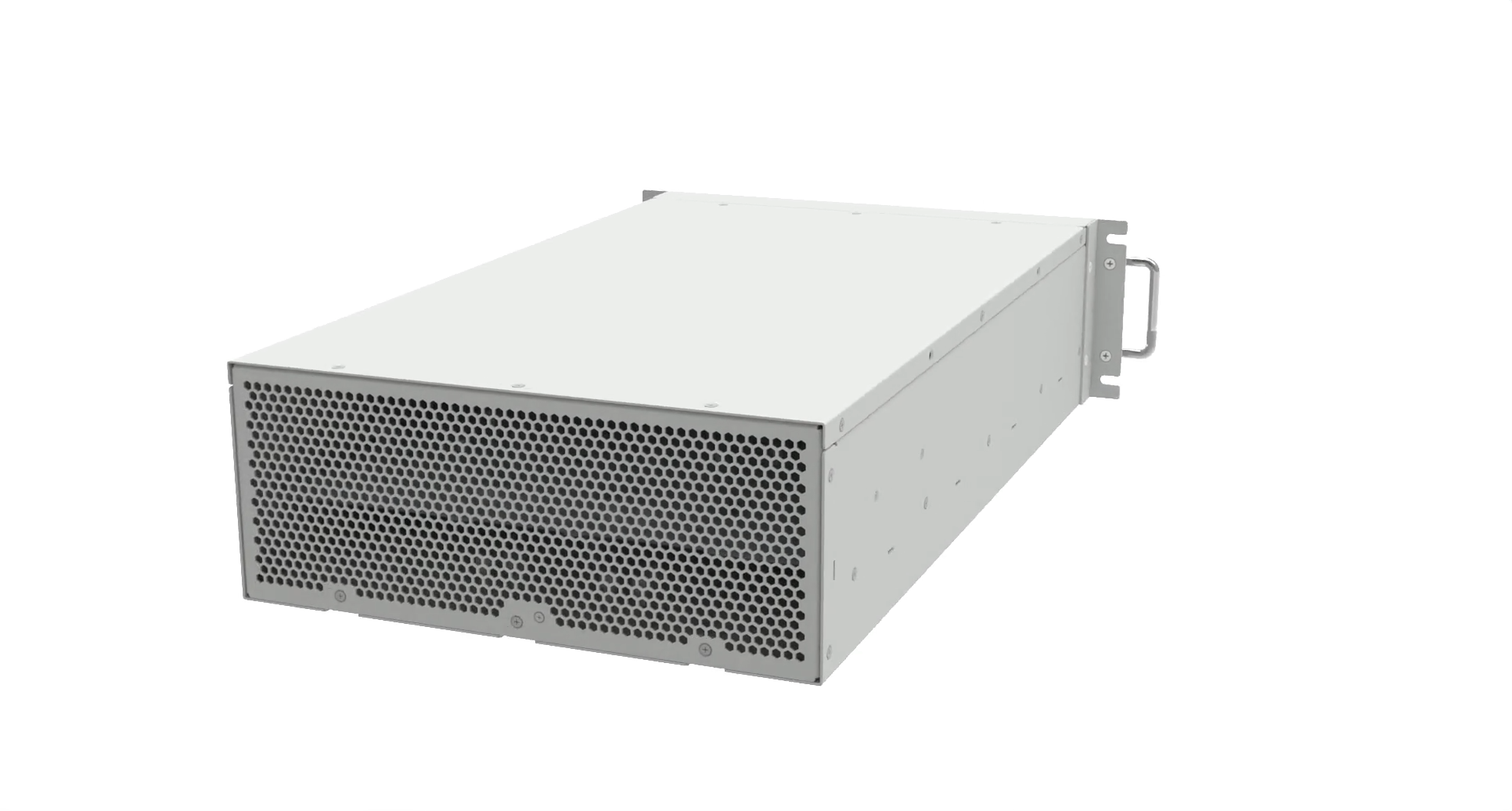
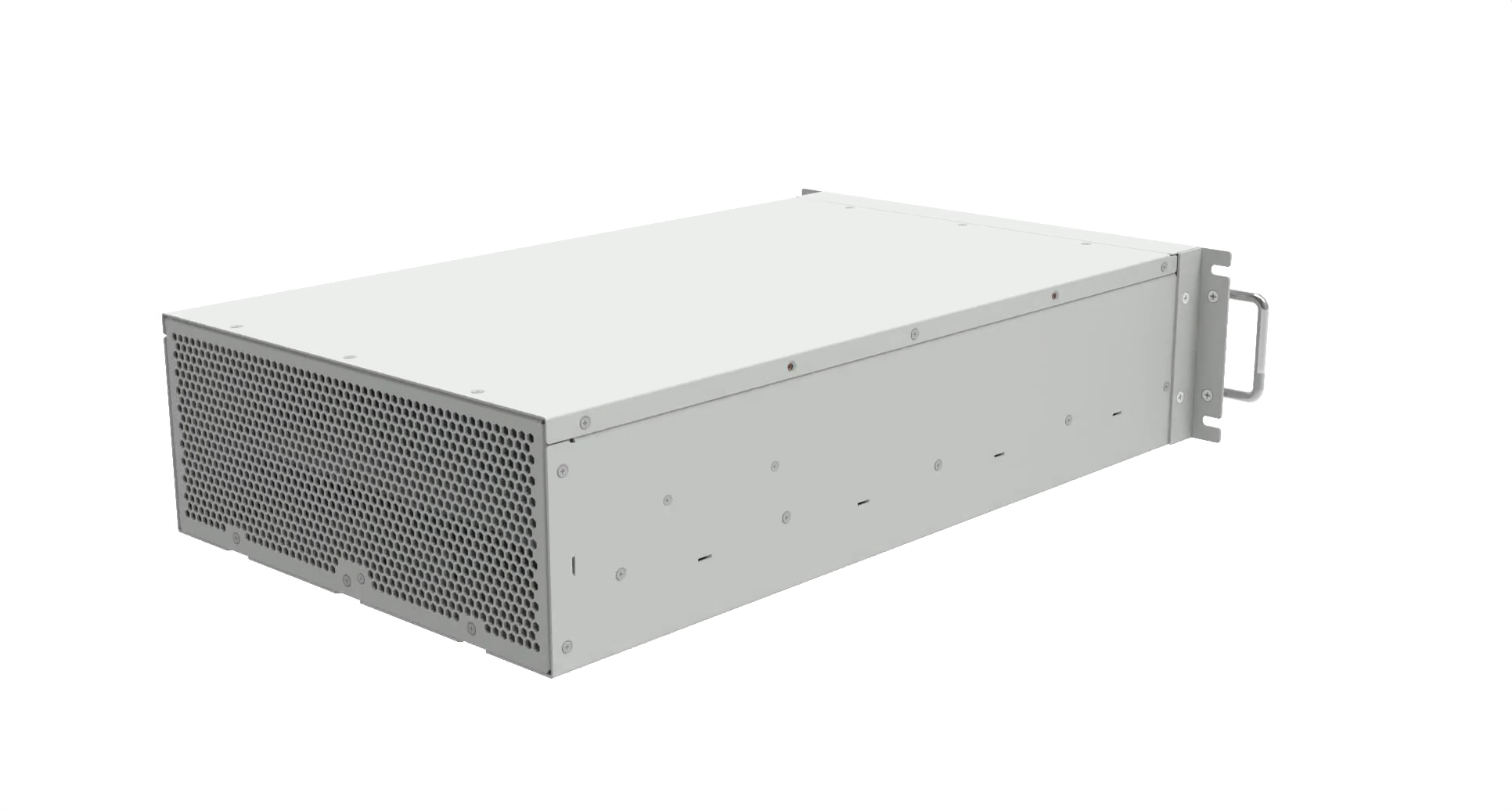
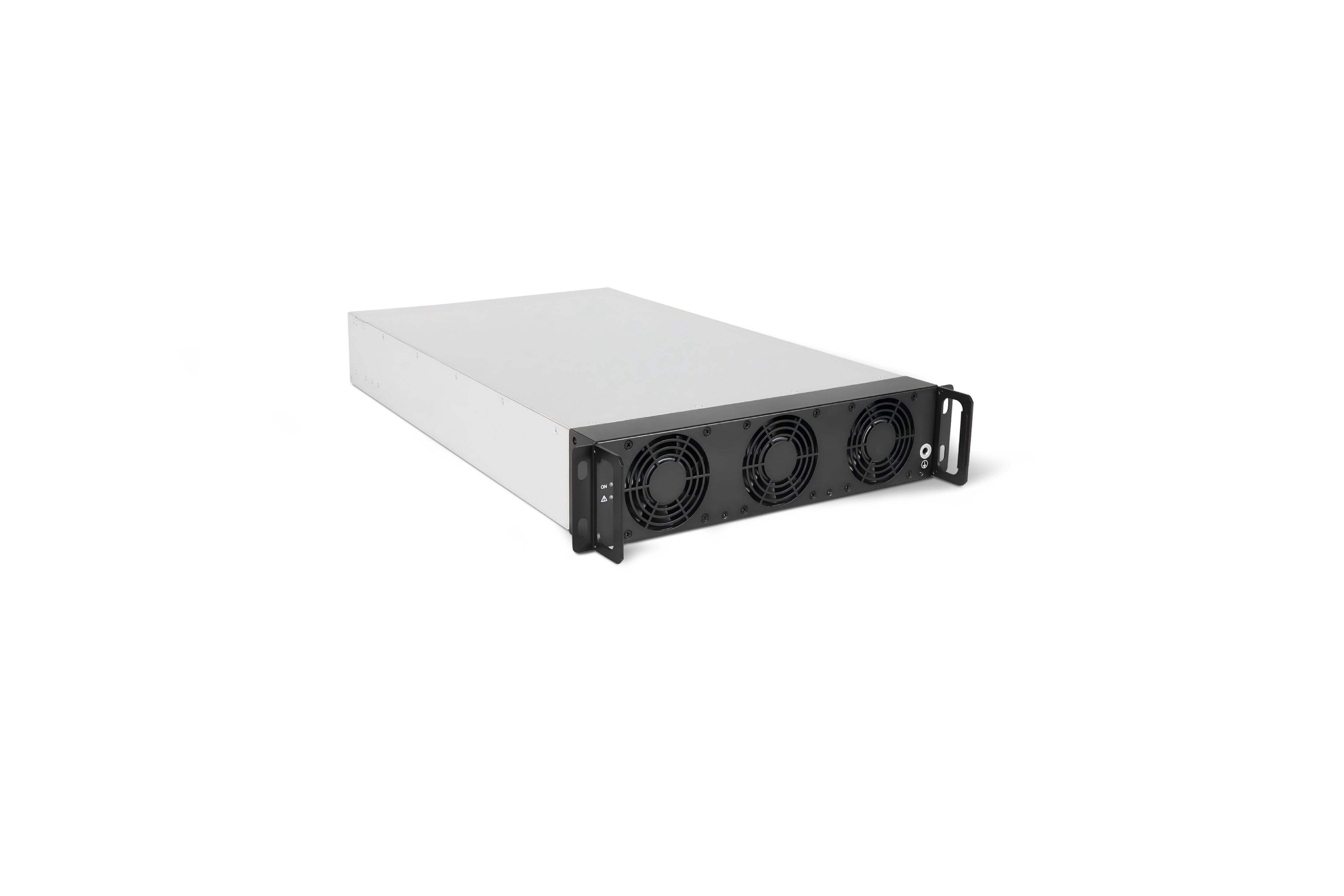
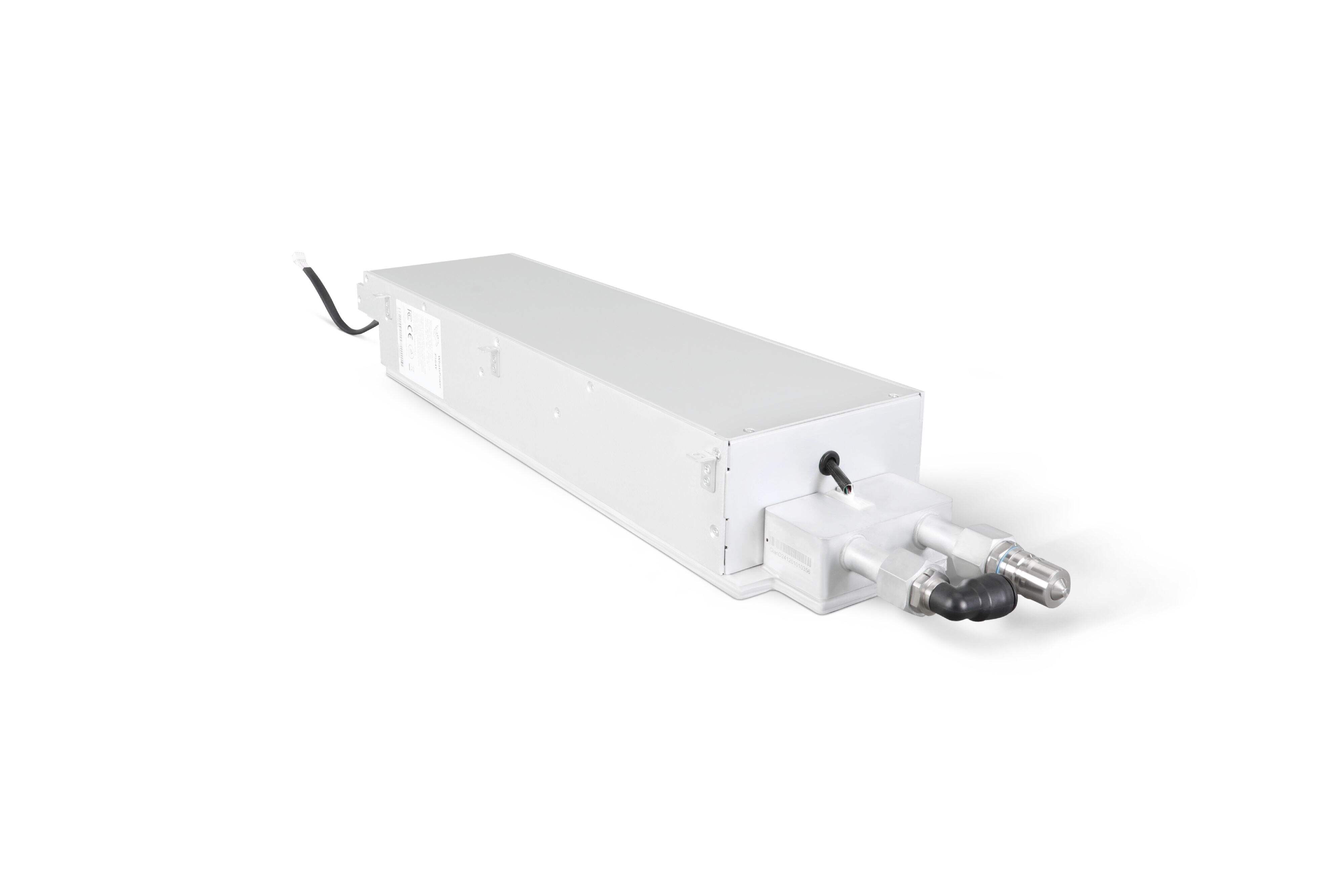
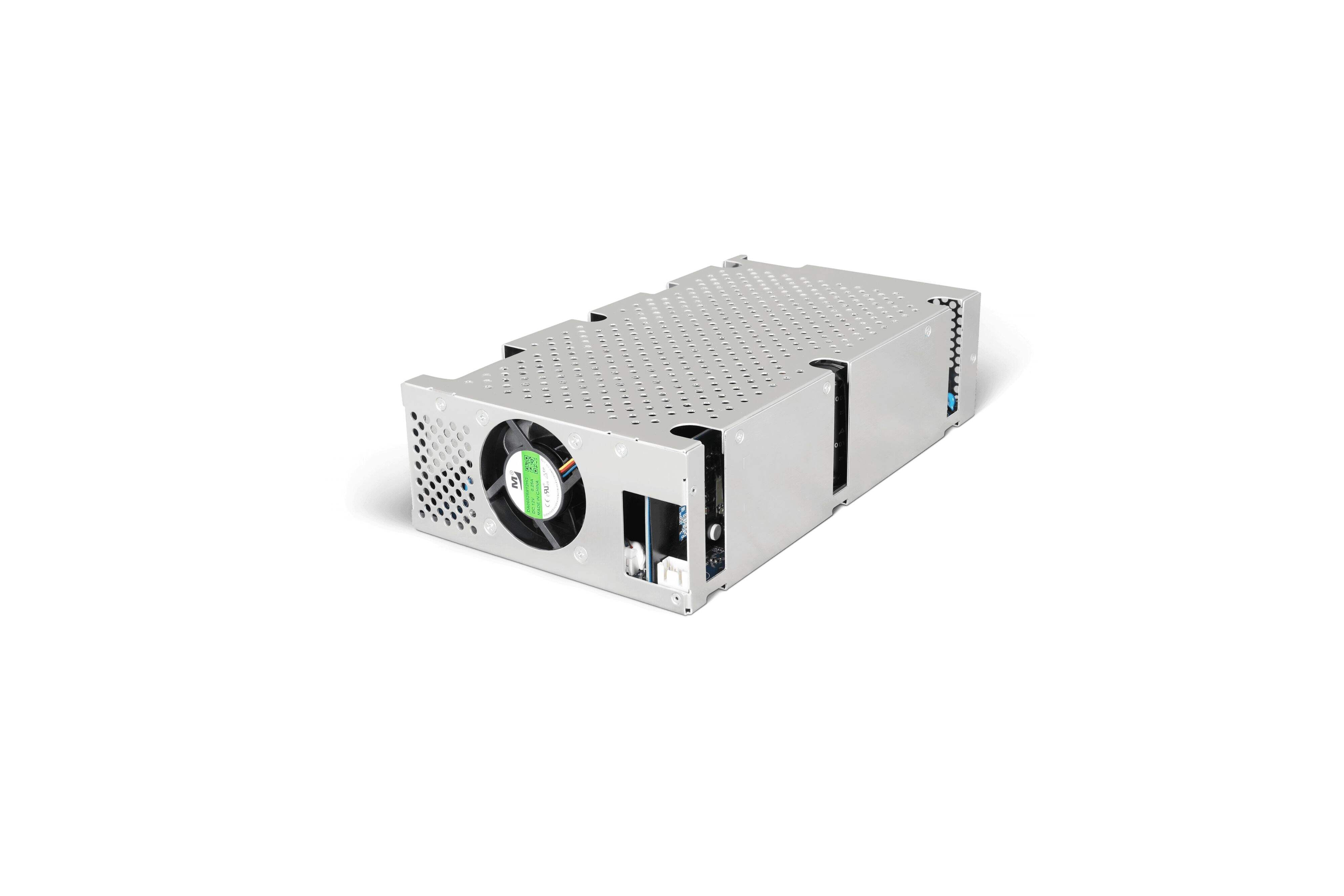
The compact design and superior system integration benefits of bidirectional DC-DC converters provide significant advantages in terms of space utilization, installation flexibility, and overall system efficiency that directly impact user costs and operational convenience. Modern bidirectional converters achieve remarkable power density through advanced circuit topologies, high-frequency switching techniques, and innovative thermal management solutions, allowing them to deliver substantial power handling capabilities within surprisingly small footprints. This space efficiency is particularly valuable in applications where real estate costs are high or space constraints are critical, such as urban electric vehicle charging stations, rooftop solar installations, and industrial facilities with limited electrical room space. The applications of bidirectional dc dc converter in these environments provide users with more installation options and reduced infrastructure costs compared to traditional power conversion solutions that require multiple separate devices and additional cooling equipment. The integration benefits extend beyond physical space savings to encompass simplified system architecture and reduced complexity in electrical connections and control wiring. Traditional power systems often require separate rectifiers, inverters, and DC-DC converters to achieve bidirectional power flow, resulting in complex interconnections, multiple control systems, and increased points of potential failure. Bidirectional converters consolidate these functions into single units with integrated control systems, dramatically simplifying installation procedures and reducing labor costs during commissioning and maintenance activities. This consolidation also improves system reliability by reducing the number of interconnections and potential failure points, resulting in higher uptime and lower maintenance expenses over the system lifecycle. The modular design approach employed by many bidirectional converter manufacturers enables easy system scaling and configuration flexibility to meet diverse application requirements. Users can combine multiple converter modules to achieve desired power levels or add modules as system requirements grow, protecting initial investments and providing expansion capabilities without major system redesigns. This scalability is particularly beneficial for growing businesses or evolving applications where power requirements may change over time. Advanced thermal management systems integrated into compact converter designs ensure reliable operation even in challenging environmental conditions while minimizing cooling requirements and associated energy costs. The sophisticated thermal design includes intelligent fan control, heat sink optimization, and component placement strategies that maximize heat dissipation efficiency while maintaining compact form factors.


Get a Free Quote

Our representative will contact you soon.
Email
Name
Company Name
Message
0/1000