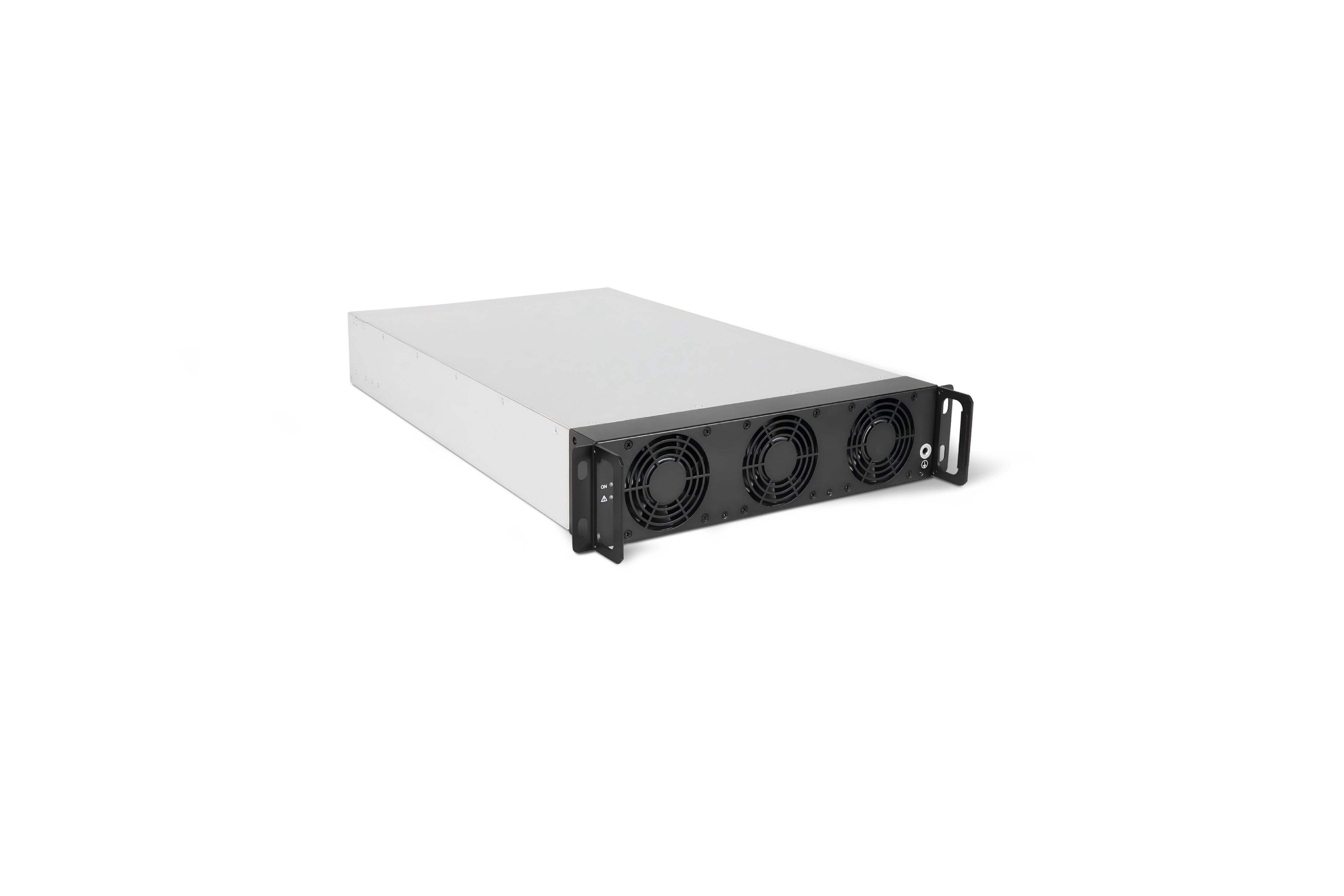
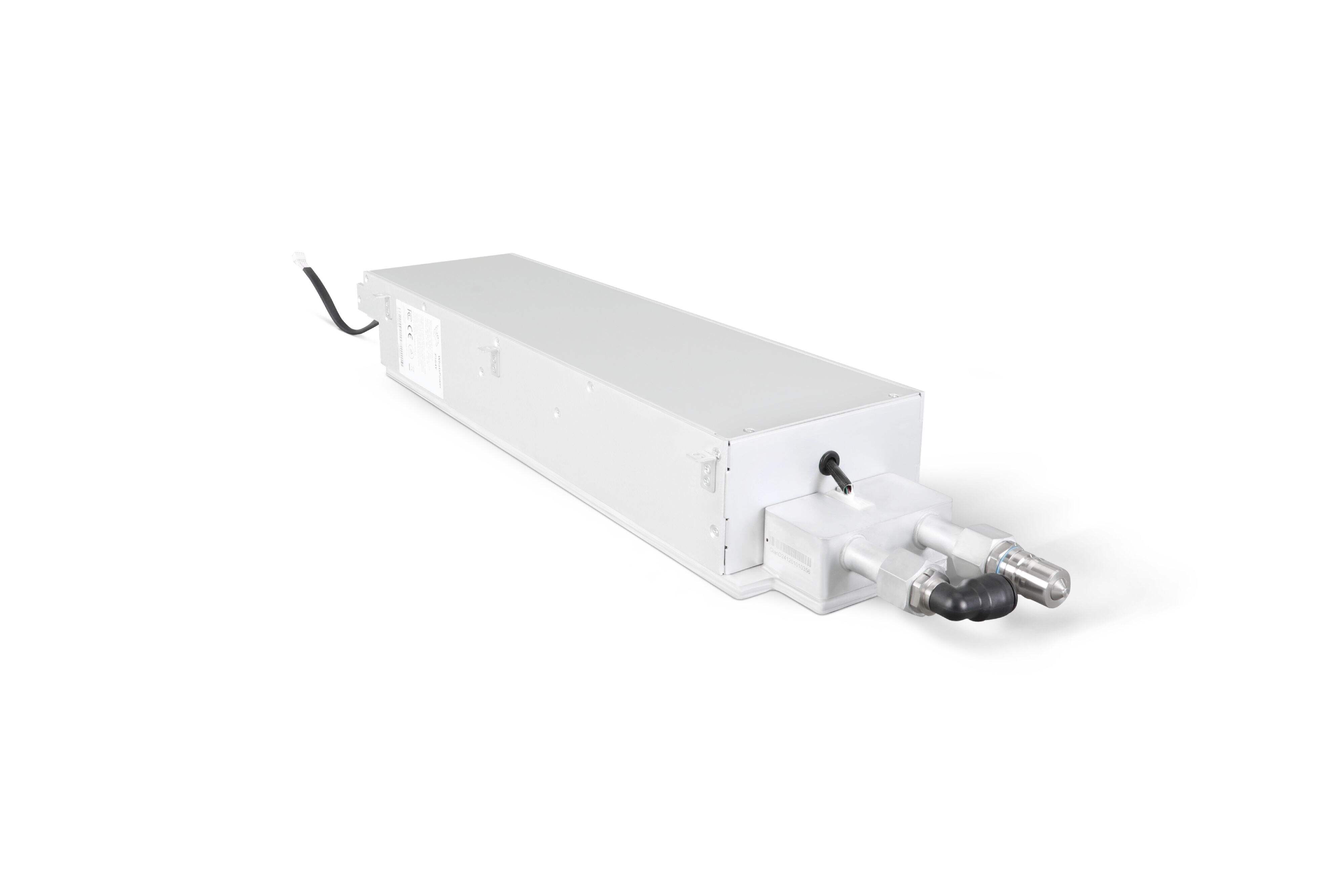
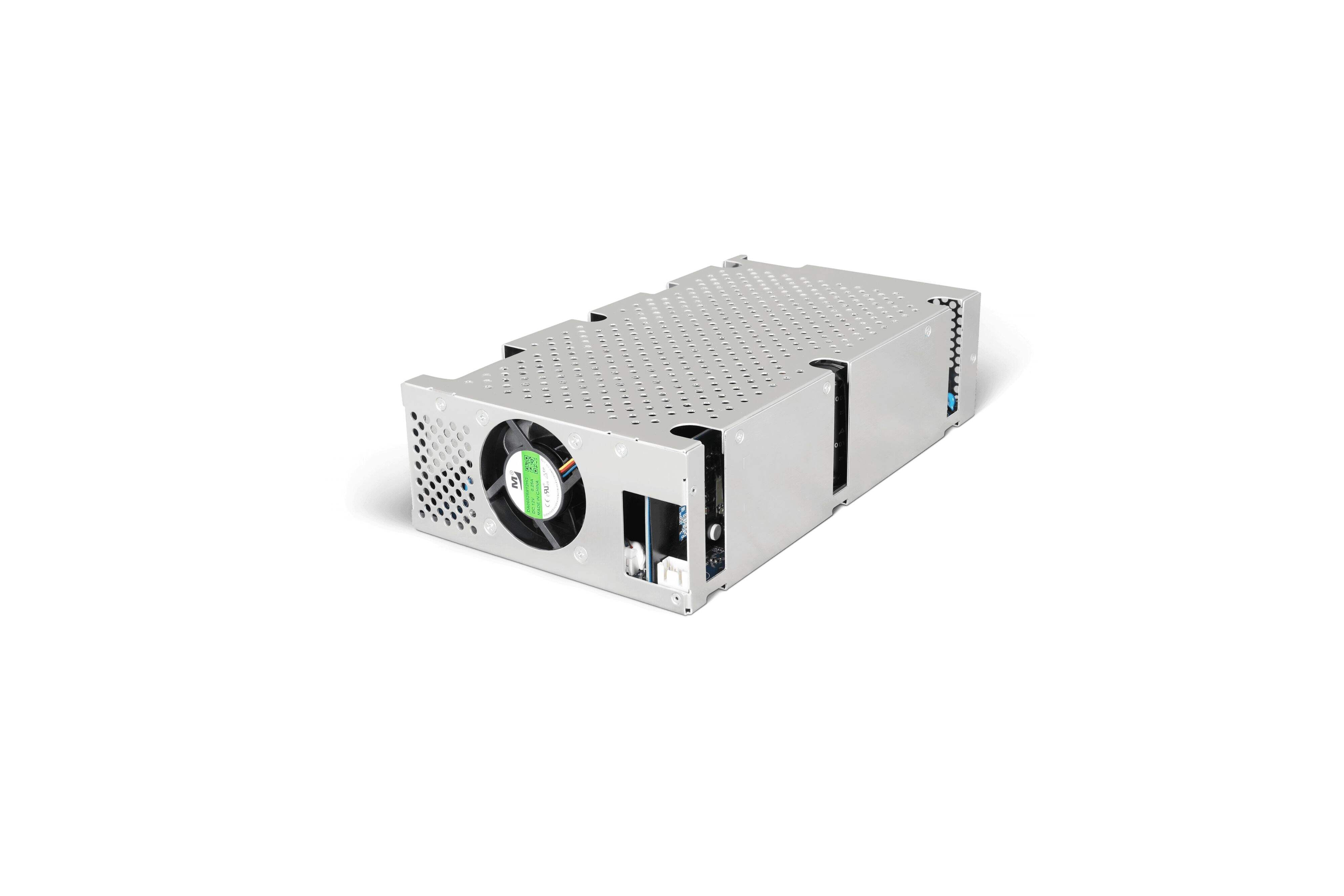
buck boost bidirectional converter
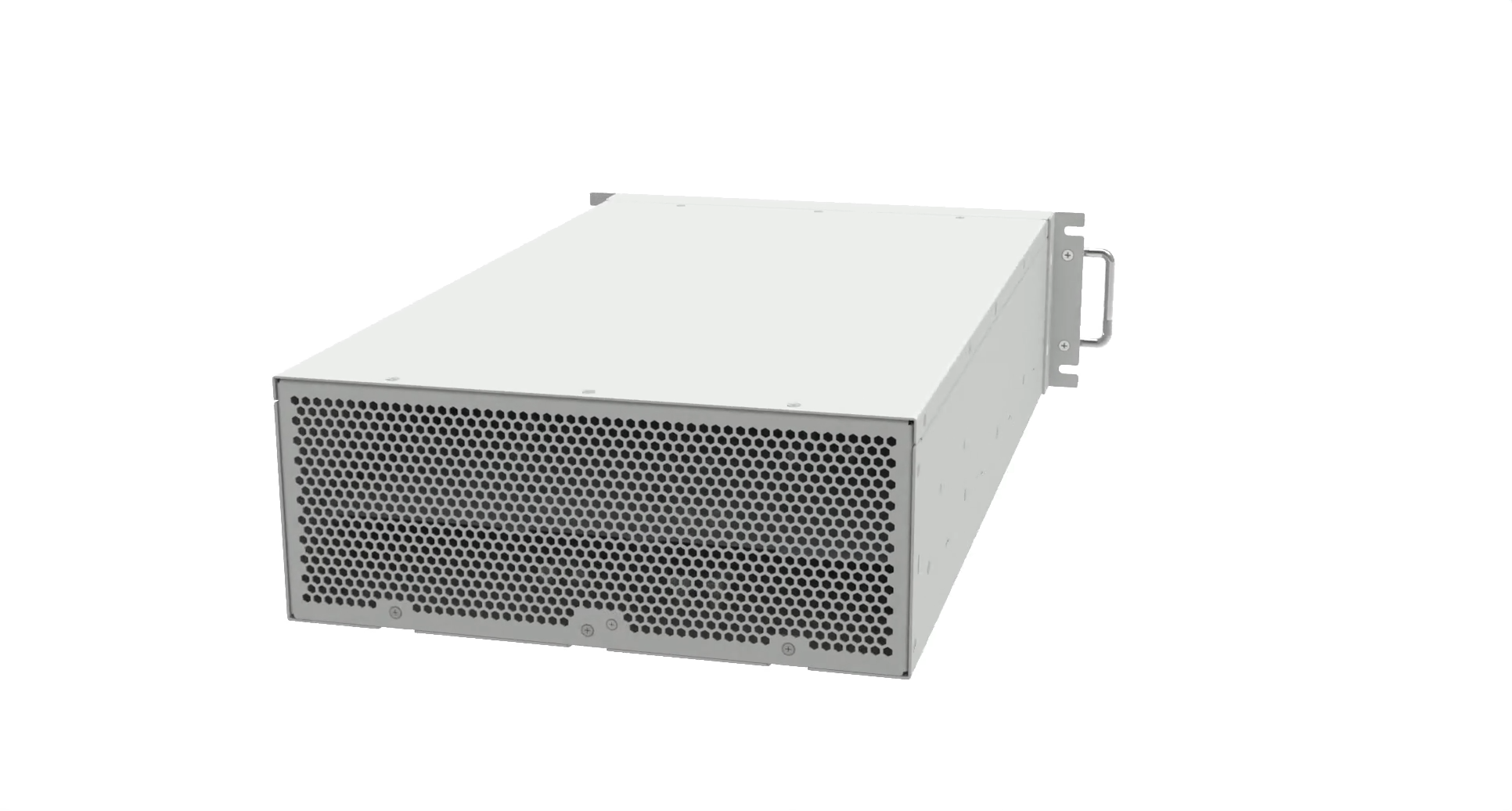
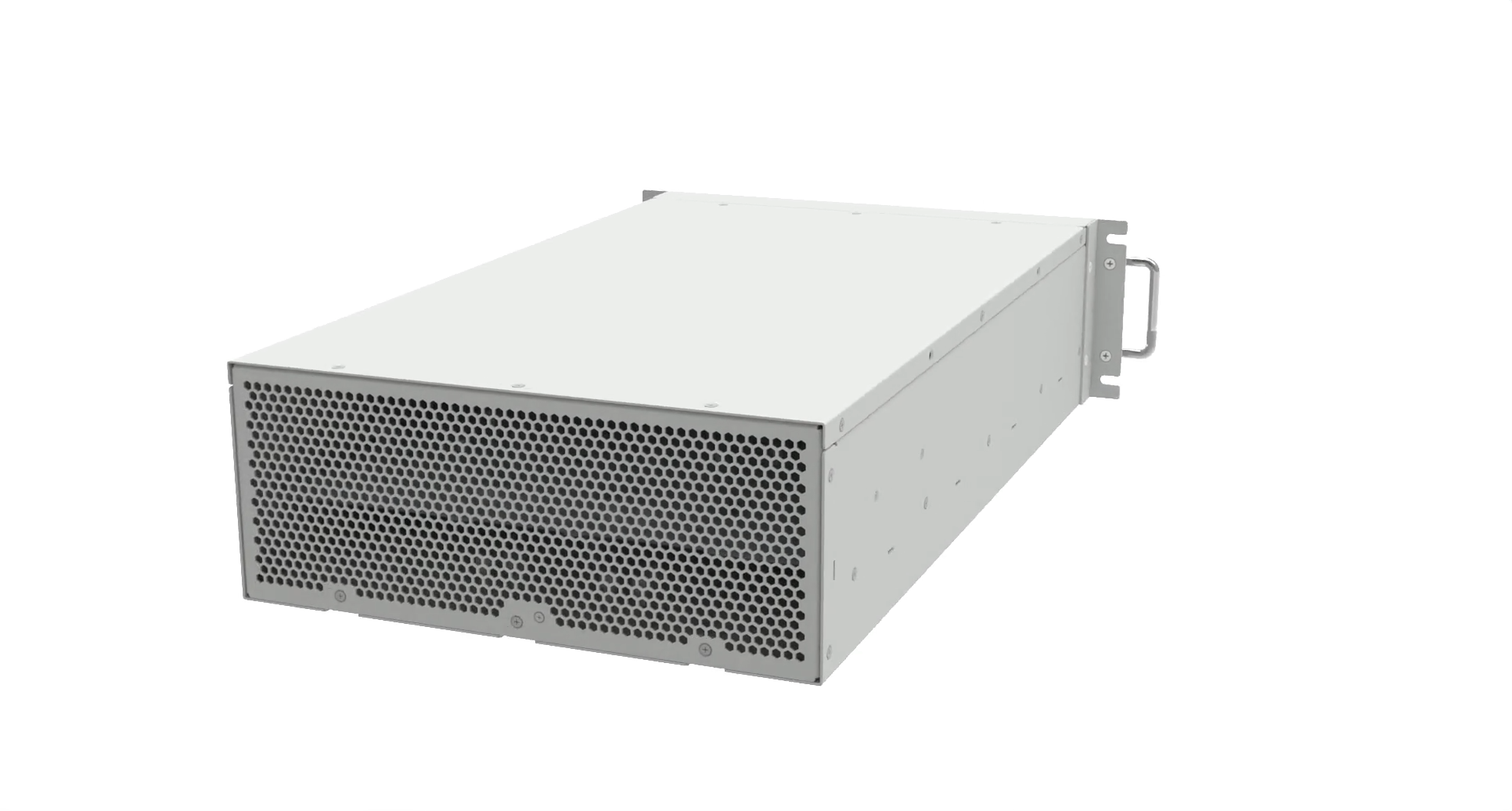
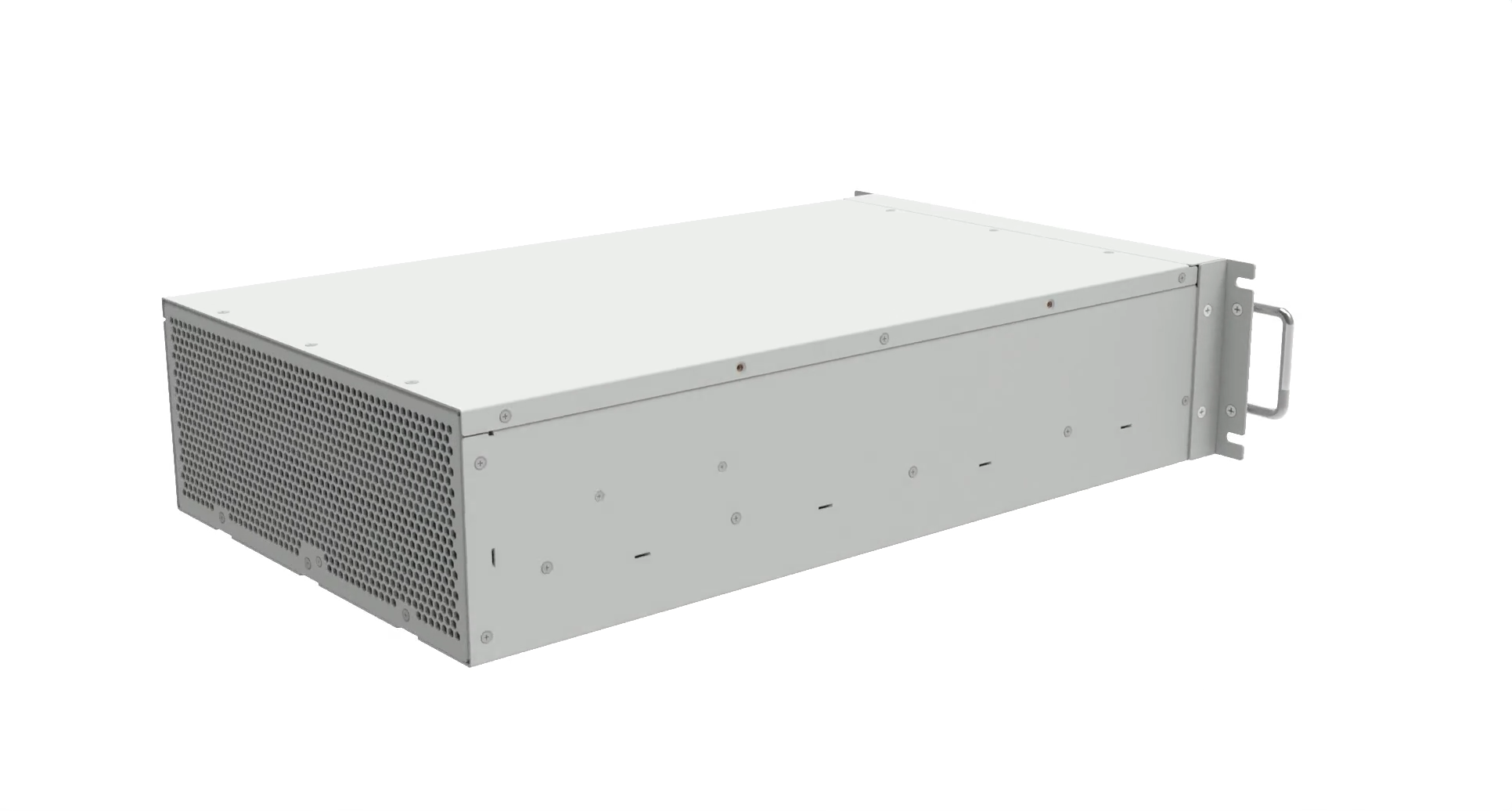
The buck boost bidirectional converter represents a sophisticated power electronic device that combines voltage regulation capabilities with reversible energy flow management. This innovative converter operates by either stepping down (bucking) or stepping up (boosting) input voltage levels while simultaneously enabling power transfer in both directions. The fundamental architecture incorporates advanced semiconductor switches, inductors, capacitors, and intelligent control circuits that work together to deliver precise voltage conversion and energy management. Unlike traditional unidirectional converters, this technology allows seamless power flow reversal, making it essential for modern energy systems requiring dynamic power exchange. The converter achieves voltage regulation through pulse width modulation techniques, where switching frequencies and duty cycles determine output characteristics. During buck operation, the device reduces higher input voltages to lower output levels with high efficiency, while boost mode elevates lower input voltages to higher output requirements. The bidirectional capability enables applications such as battery charging and discharging, grid-tie systems, and regenerative braking in electric vehicles. Key technological features include soft-switching mechanisms that minimize electromagnetic interference and switching losses, advanced digital control algorithms for optimal performance, and robust protection circuits against overcurrent, overvoltage, and thermal conditions. The converter typically operates across wide input voltage ranges, accommodating various source types from renewable energy systems to battery banks. Integration capabilities with smart grid infrastructure and communication protocols enhance system monitoring and control. Modern implementations feature high power density designs, reduced component count through innovative topologies, and improved reliability through redundant safety mechanisms. Applications span electric vehicle charging stations, renewable energy storage systems, uninterruptible power supplies, industrial motor drives, and telecommunications equipment. The technology proves particularly valuable in hybrid energy systems where multiple power sources require seamless integration and management.

 EN
EN