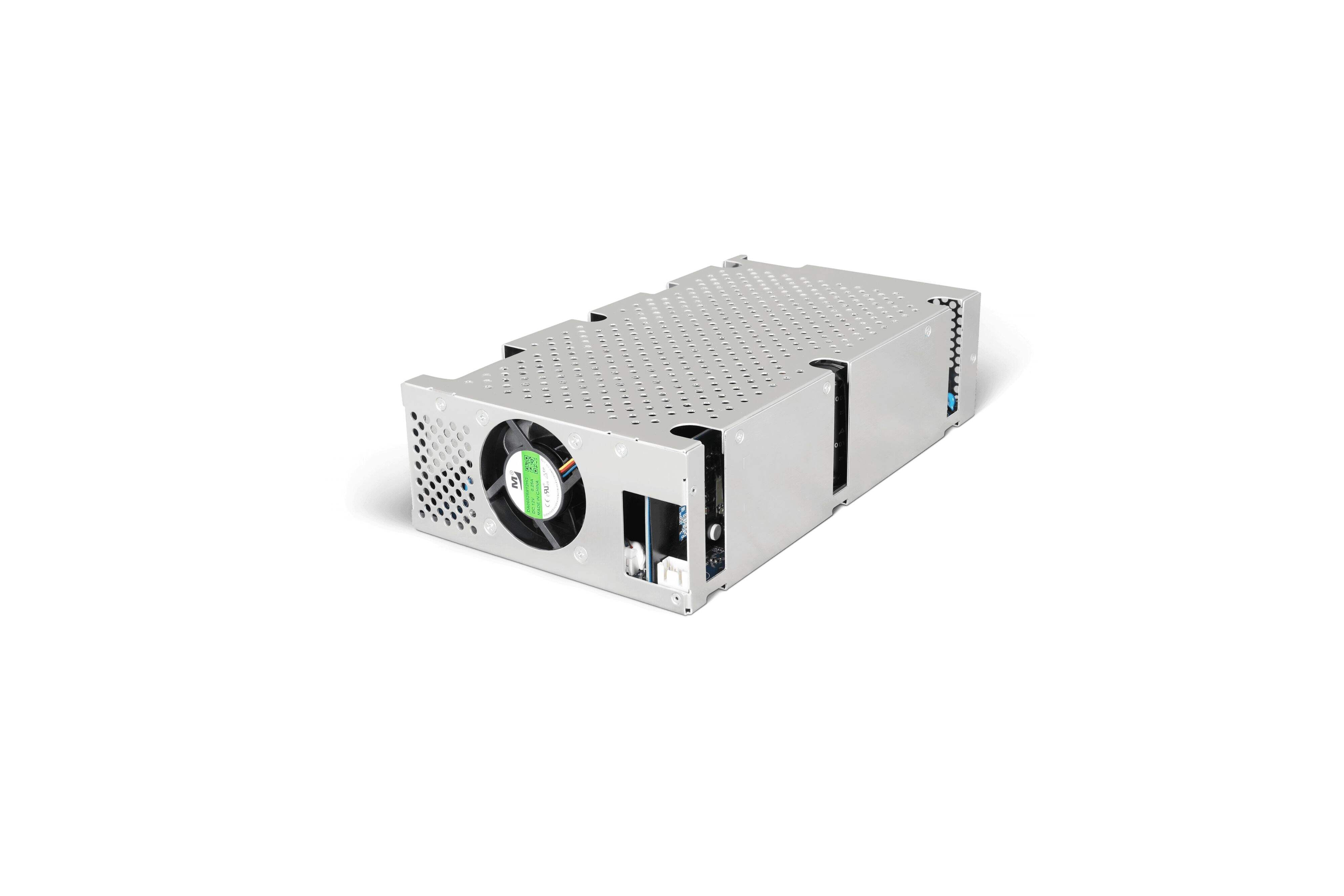
Interleaved Bidirectional DC DC Converter: Advanced Power Solutions for Maximum Efficiency

All Categories

Get a Free Quote

Our representative will contact you soon.
Email
Name
Company Name
Message
0/1000

interleaved bidirectional dc dc converter

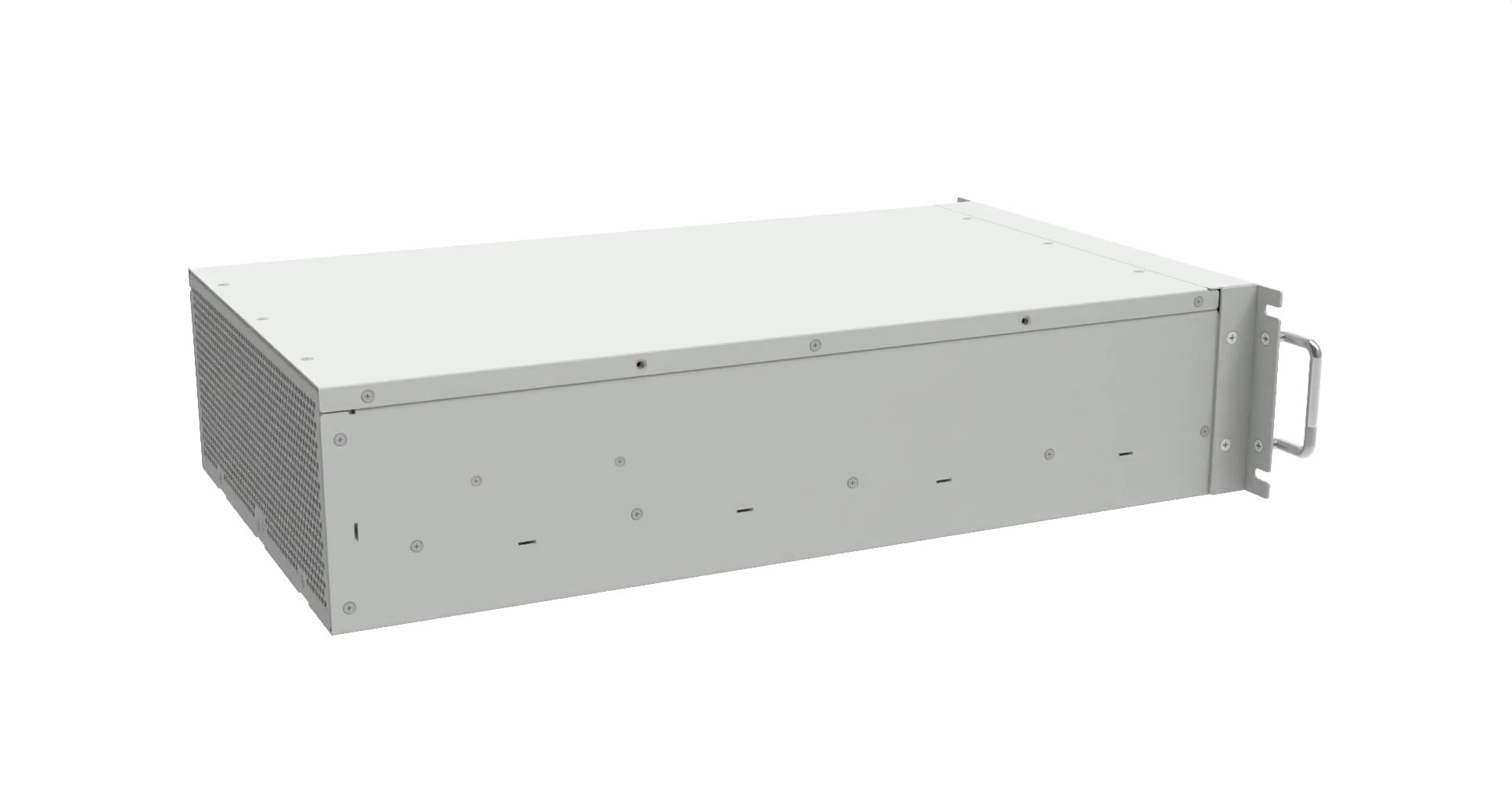
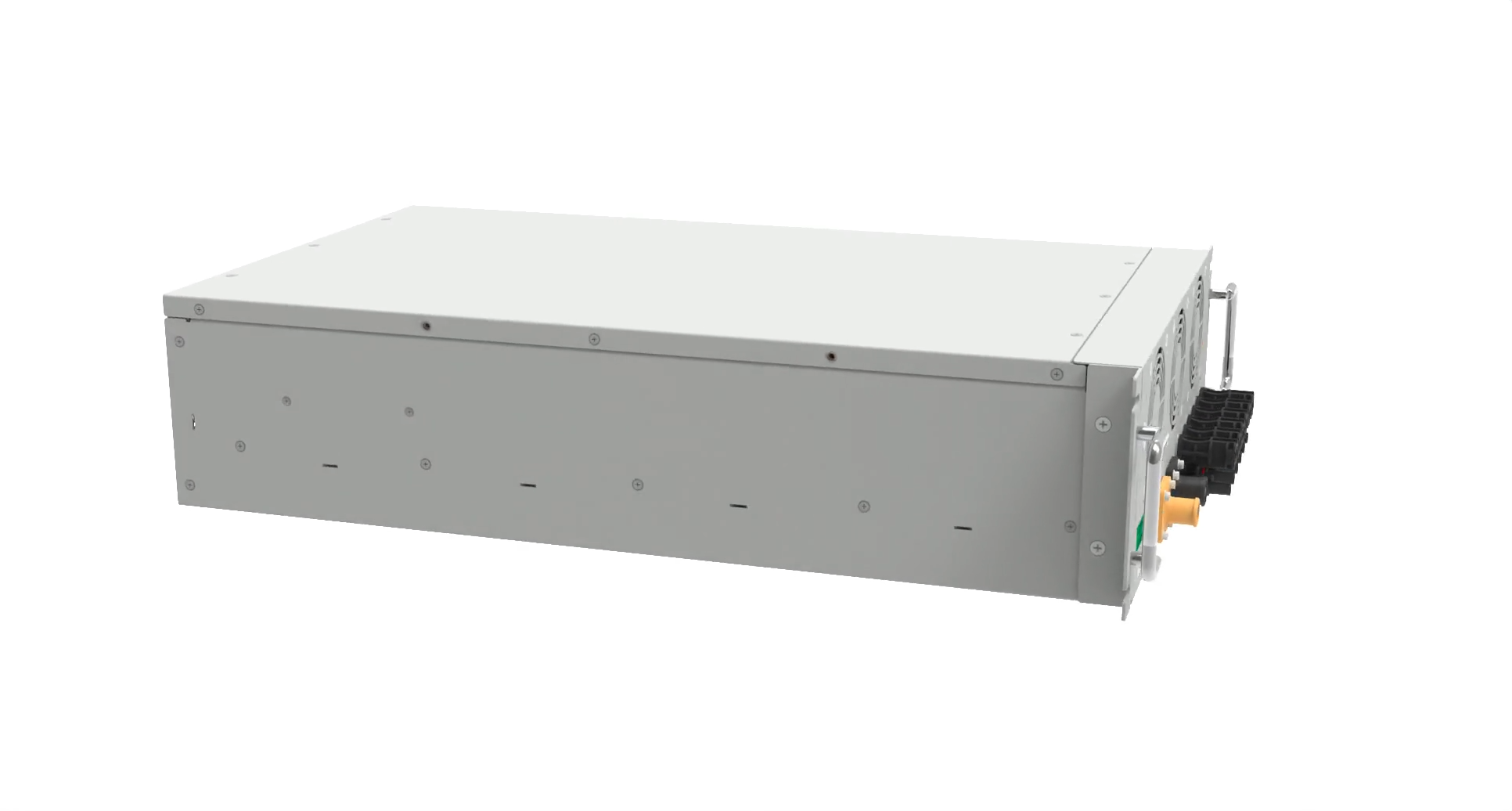
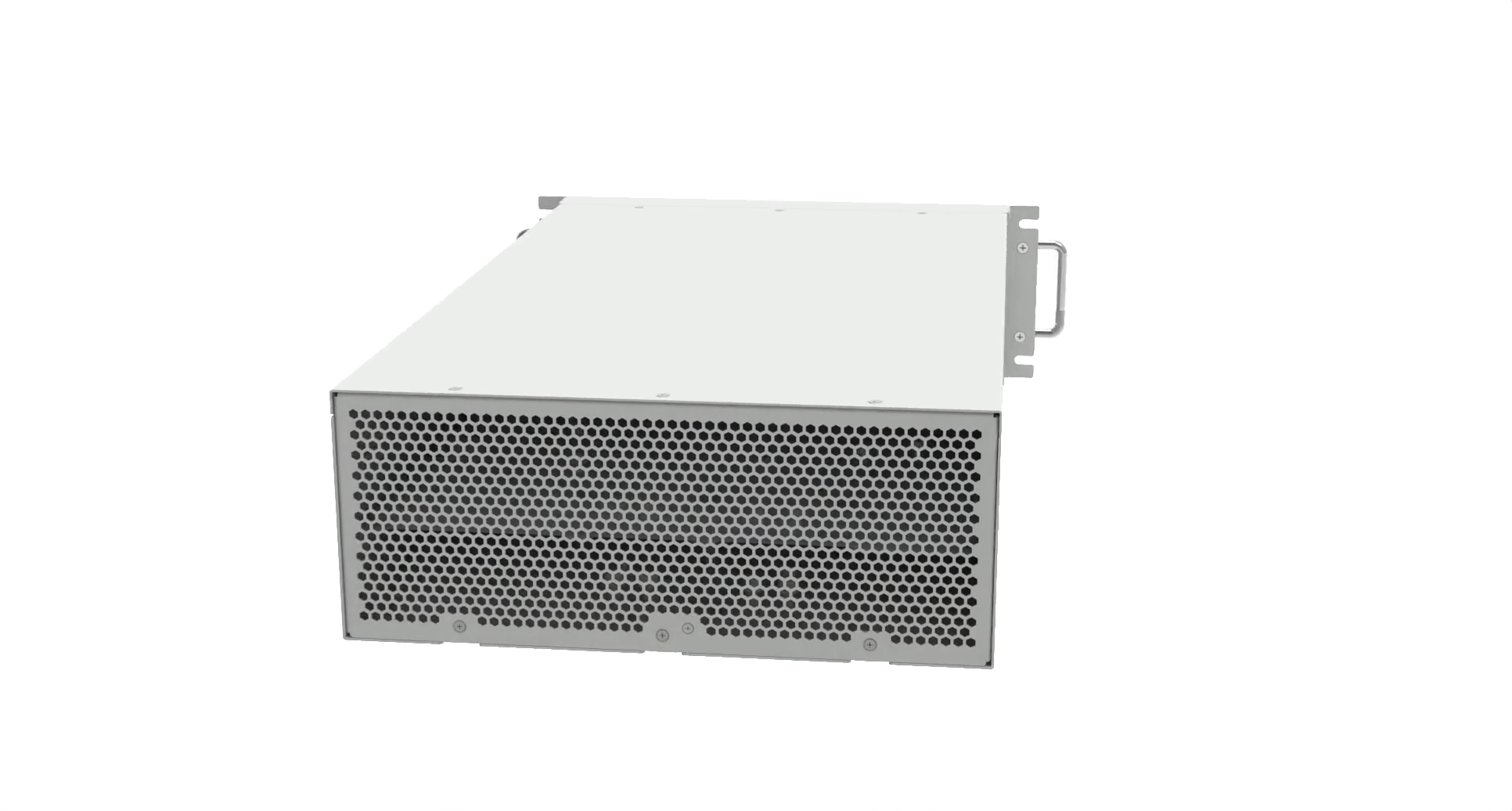
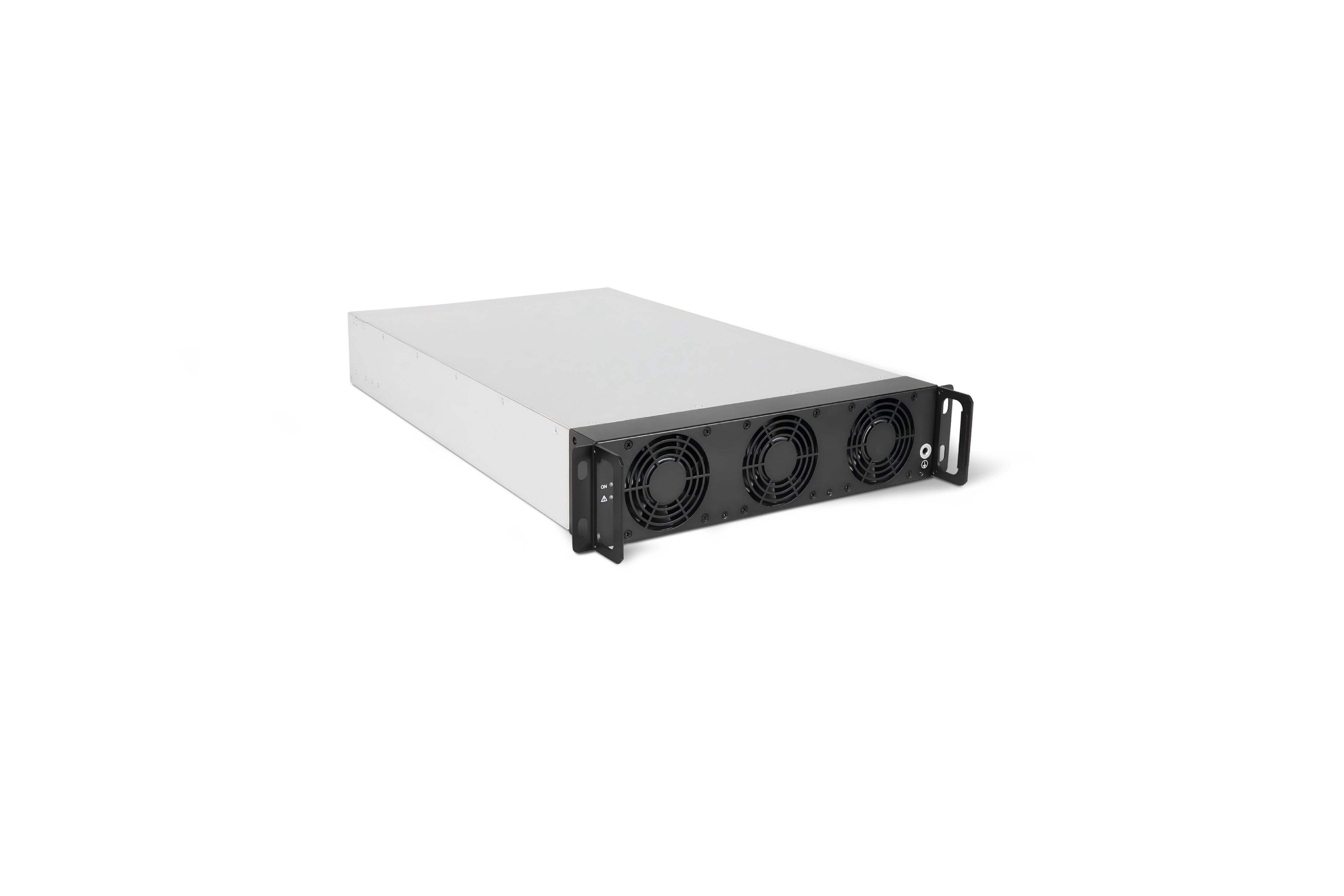
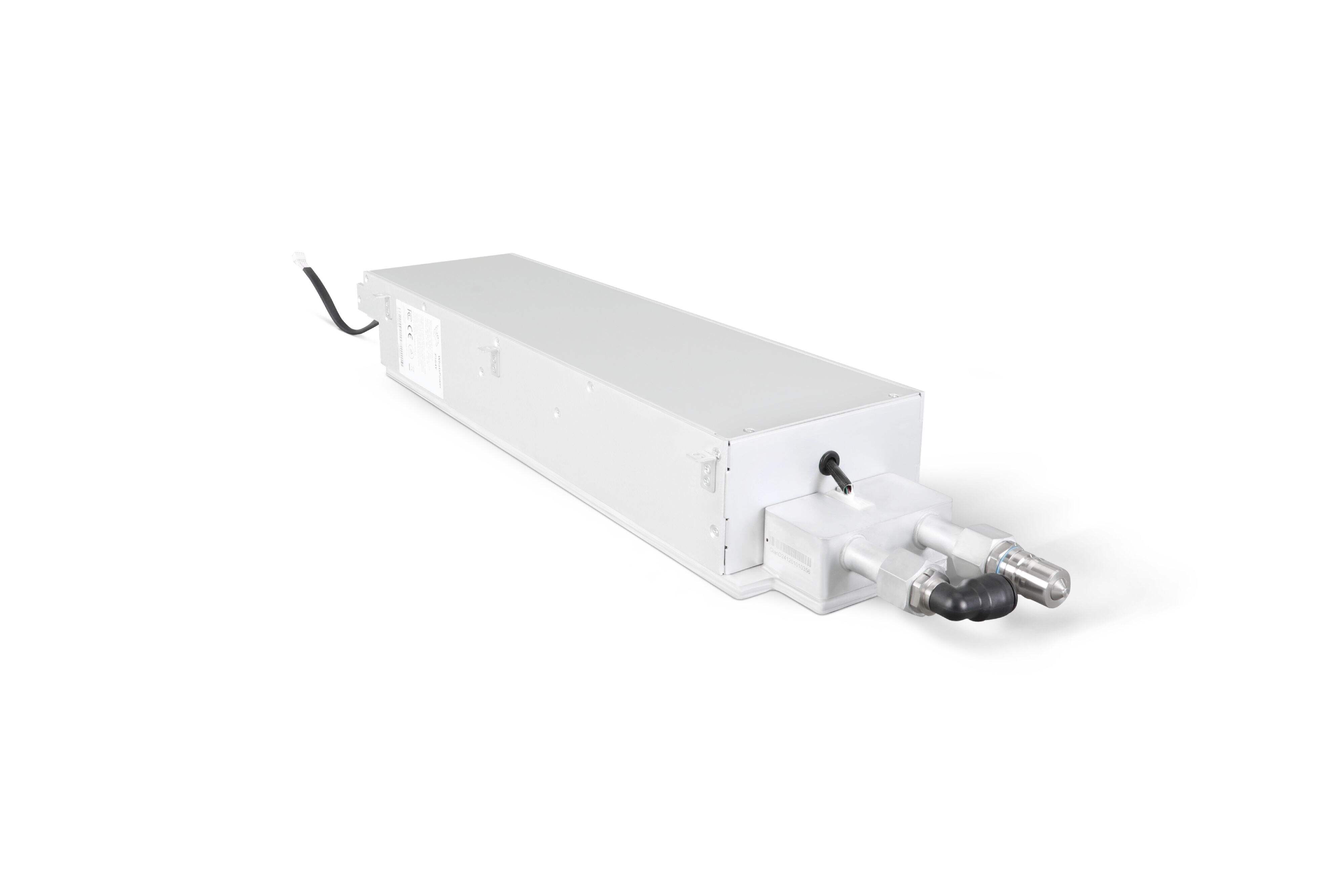
The interleaved bidirectional dc dc converter represents a sophisticated power electronics solution designed to facilitate efficient energy transfer between different voltage levels in both directions. This advanced converter topology combines the benefits of interleaving techniques with bidirectional power flow capabilities, creating a versatile and highly efficient power management system. The main function of an interleaved bidirectional dc dc converter involves stepping voltage up or down while maintaining the ability to reverse power flow direction based on system requirements. This dual functionality makes it particularly valuable in applications where energy storage, regenerative braking, or backup power systems are essential. The technological features of this converter include multiple parallel-connected switching circuits that operate with phase shifts, reducing input and output ripple currents significantly. The interleaved design distributes thermal stress across multiple components, enhancing reliability and extending operational lifespan. Advanced control algorithms manage the switching sequences, ensuring optimal efficiency across varying load conditions. The bidirectional capability relies on sophisticated synchronous rectification techniques and intelligent gate drive circuits that can seamlessly transition between buck and boost modes. Applications for interleaved bidirectional dc dc converters span numerous industries, including electric vehicles where they manage battery charging and discharging, renewable energy systems for grid-tie inverters and energy storage integration, uninterruptible power supplies for critical infrastructure, and industrial automation systems requiring precise voltage regulation. These converters excel in telecommunications equipment, data centers, and aerospace applications where space constraints and efficiency demands are paramount. The modular nature of interleaved designs allows for scalable power solutions that can be customized to meet specific voltage and current requirements while maintaining consistent performance characteristics across different operating conditions.

New Products

The interleaved bidirectional dc dc converter delivers exceptional efficiency improvements that directly translate to reduced energy costs for users. This efficiency gain stems from the intelligent distribution of switching losses across multiple parallel circuits, which significantly reduces heat generation and improves overall system performance. Users benefit from lower electricity bills and reduced cooling requirements, making these converters particularly cost-effective for high-power applications. The bidirectional functionality provides unmatched versatility, allowing single converter units to handle both charging and discharging operations in energy storage systems. This dual capability eliminates the need for separate charging and discharging circuits, reducing system complexity and component count while improving reliability. Customers appreciate the space savings and simplified installation procedures that result from this integrated approach. Enhanced thermal management represents another significant advantage, as the interleaved design distributes heat generation across multiple switching elements rather than concentrating it in a single component. This distribution extends component lifespan and reduces maintenance requirements, providing long-term value for customers through decreased replacement costs and improved system uptime. The reduced ripple current characteristic of interleaved designs minimizes electromagnetic interference and improves power quality, which proves essential for sensitive electronic equipment and helps users avoid costly EMI filtering solutions. Modular scalability allows customers to easily expand power capacity by adding additional interleaved phases without redesigning the entire system architecture. This flexibility supports future growth and changing power requirements, protecting customer investments over time. The superior transient response of interleaved bidirectional dc dc converters ensures stable operation during sudden load changes, preventing voltage sags or surges that could damage connected equipment. This protection capability reduces insurance costs and prevents expensive downtime in critical applications. Additionally, the advanced control features enable precise voltage and current regulation, allowing customers to optimize their systems for specific performance requirements while maintaining consistent output quality regardless of input variations or load fluctuations.

Practical Tips

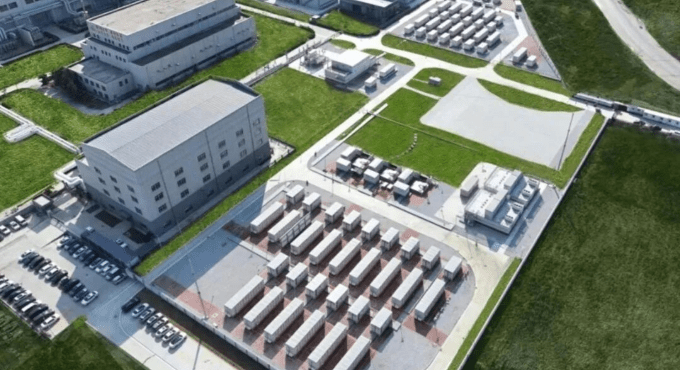
A Power Station That Doesn’t Generate Electricity — Yet Moves 120 Million kWh a Year

18

Dec

A Power Station That Doesn’t Generate Electricity — Yet Moves 120 Million kWh a Year

View More
BOCO Electronics Brings Hengyang Intelligent Manufacturing Base Online, Expanding Annual Production Beyond One Million Units

18

Dec

BOCO Electronics Brings Hengyang Intelligent Manufacturing Base Online, Expanding Annual Production Beyond One Million Units

View More
BOCO Electronics Demonstrates System-Level Power Conversion Innovation at SNEC 2025

18

Dec

BOCO Electronics Demonstrates System-Level Power Conversion Innovation at SNEC 2025

View More

Get a Free Quote

Our representative will contact you soon.
Email
Name
Company Name
Message
0/1000

interleaved bidirectional dc dc converter

Superior Power Density and Thermal Performance

Superior Power Density and Thermal Performance

The interleaved bidirectional dc dc converter achieves remarkable power density improvements through its innovative multi-phase switching architecture, delivering substantially more power per unit volume compared to traditional converter designs. This enhanced power density directly benefits customers by reducing equipment footprint requirements, lowering installation costs, and enabling more compact system designs. The interleaved topology distributes switching operations across multiple parallel circuits, each operating at the same frequency but with carefully controlled phase shifts. This distribution creates several critical advantages that translate into real-world benefits for users. The thermal performance improvements result from spreading heat generation across multiple switching elements rather than concentrating thermal stress in single components. This distribution reduces peak junction temperatures, extending component lifespan and improving system reliability. Customers experience fewer maintenance requirements and longer service intervals, reducing total cost of ownership significantly. The enhanced thermal characteristics also enable higher switching frequencies without compromising reliability, which further improves power density and reduces the size of passive components like inductors and capacitors. The bidirectional capability of these converters adds another layer of value by eliminating the need for separate charging and discharging circuits in energy storage applications. This integration reduces component count, simplifies system architecture, and improves overall reliability while maintaining the superior thermal performance characteristics. Advanced thermal management techniques, including intelligent load balancing between phases and adaptive switching frequency control, ensure optimal operating temperatures under varying load conditions. These features provide customers with consistent performance across different operating scenarios while maximizing component utilization and system efficiency. The modular nature of interleaved designs allows for easy capacity expansion without compromising thermal performance, giving customers flexibility to scale their systems as requirements evolve while maintaining the same high standards of thermal management and power density.
Advanced Control Algorithms and Intelligent Power Management

Advanced Control Algorithms and Intelligent Power Management

The sophisticated control systems embedded within interleaved bidirectional dc dc converters represent a quantum leap in power management technology, delivering unprecedented levels of precision, efficiency, and adaptability. These advanced control algorithms continuously monitor system parameters and automatically optimize switching patterns to maintain peak performance across varying operating conditions. The intelligent power management capabilities provide customers with seamless operation, reduced maintenance requirements, and superior system reliability. The control systems employ real-time feedback mechanisms that constantly adjust switching timing, duty cycles, and phase relationships to compensate for load variations, input voltage fluctuations, and environmental changes. This adaptive approach ensures consistent output quality while maximizing efficiency and minimizing stress on system components. Customers benefit from stable power delivery that protects sensitive equipment and maintains optimal performance in demanding applications. The bidirectional control functionality seamlessly manages power flow direction changes without interrupting system operation or requiring manual intervention. This capability proves invaluable in energy storage applications where charging and discharging cycles must transition smoothly based on grid conditions, load demands, or energy management strategies. The intelligent algorithms predict power flow requirements and pre-configure system parameters to ensure optimal efficiency during direction changes. Advanced fault detection and protection features integrated into the control systems provide comprehensive safety measures that protect both the converter and connected equipment. These protective functions include overcurrent detection, overvoltage protection, thermal monitoring, and short-circuit prevention. When fault conditions are detected, the control system implements graduated response protocols that first attempt to correct the condition through parameter adjustment before initiating protective shutdowns. This intelligent approach minimizes unnecessary system interruptions while maintaining safety standards. The modular control architecture allows for easy integration with external monitoring and control systems, enabling customers to incorporate these converters into sophisticated power management networks. Communication protocols support remote monitoring, predictive maintenance scheduling, and system optimization based on historical performance data. These connectivity features help customers maximize uptime, reduce operational costs, and implement proactive maintenance strategies that prevent costly failures.

Exceptional Efficiency and Energy Savings Performance

Exceptional Efficiency and Energy Savings Performance

The interleaved bidirectional dc dc converter achieves industry-leading efficiency levels that deliver substantial energy savings and operating cost reductions for customers across diverse applications. The exceptional efficiency performance results from the synergistic combination of interleaved switching topology, advanced semiconductor technologies, and optimized control algorithms that work together to minimize power losses throughout the conversion process. This efficiency advantage translates directly into reduced electricity consumption, lower cooling requirements, and improved environmental sustainability. The interleaved switching approach reduces both switching losses and conduction losses by distributing current across multiple parallel paths and optimizing switching timing to minimize overlap losses. Each interleaved phase operates at reduced current levels compared to single-phase designs, decreasing I²R losses in semiconductors and magnetic components. The carefully controlled phase relationships between switching elements create natural ripple cancellation effects that reduce filtering requirements and improve overall system efficiency. These technical improvements deliver measurable cost savings for customers through reduced energy consumption and extended component lifespans. The bidirectional efficiency optimization ensures that power conversion maintains high efficiency levels regardless of power flow direction, which proves crucial for energy storage applications where round-trip efficiency directly impacts system economics. Advanced synchronous rectification techniques replace traditional diode rectification with actively controlled switches, eliminating forward voltage drops and reducing conduction losses. This technology improvement becomes particularly significant at lower output voltages where diode losses represent a substantial portion of total system losses. Adaptive efficiency optimization features continuously monitor system performance and automatically adjust operating parameters to maintain peak efficiency across varying load conditions. These algorithms account for component aging, temperature variations, and load characteristics to ensure sustained high-performance operation throughout the converter's service life. The efficiency improvements compound over time, delivering increasing value as energy costs rise and environmental regulations become more stringent. Customers benefit from improved return on investment, reduced carbon footprint, and enhanced competitiveness through lower operating costs. The superior efficiency characteristics also enable higher power density designs by reducing heat generation, creating additional space savings and installation flexibility.

Get a Free Quote

Our representative will contact you soon.
Email
Name
Company Name
Message
0/1000